

Society updated
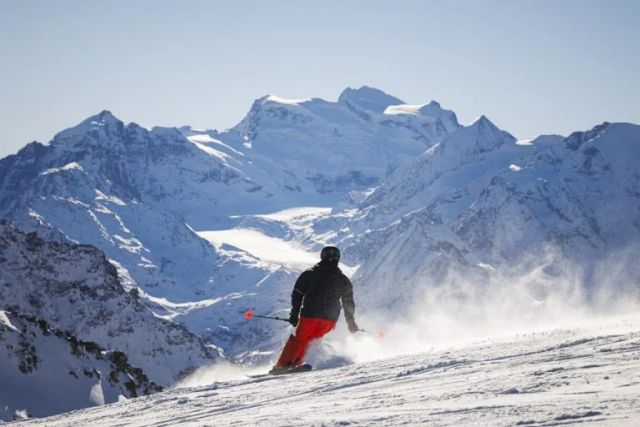
Ekonomistët zviceranë presin një sezon të fuqishëm të turizmit dimëror
What happened
Compiled from the sources
Pas një sezoni veror të fuqishëm, edhe dimri pritet të jetë i suksesshëm për sektorin e turizmit, sipas Institutit Zviceran për Kërkime Ekonomike (KOF). Konkretisht, Instituti KOF parashikon rreth 18,7 milionë bujtje (netë qëndrimi) për sezonin dimëror 2026/27, i cili fillon të dielën e parë të…
In the story's original language
An excerpt from albinfo.ch
Pas një sezoni veror të fuqishëm, edhe dimri pritet të jetë i suksesshëm për sektorin e turizmit, sipas Institutit Zviceran për Kërkime Ekonomike (KOF). Konkretisht, Instituti KOF parashikon rreth 18,7 milionë bujtje (netë qëndrimi) për sezonin dimëror 2026/27, i cili fillon të dielën e parë të nëntorit. Kjo shifër është 0,1%, ose rreth 15 000 bujtje, më e ulët se në sezonin dimëror rekord të mëparshëm, atë të viteve 2025/26. Megjithatë, sipas një deklarate të publikuar të premten, shifra mbetet shumë e lartë dhe tejkalon atë të sezonit 2024/25. Parashikimi ka mbetur pothuajse i pandryshuar që nga pranvera, shkruan swissinfo. Rritja e lehtë e kërkesës nga Evropa po kompenson në masë të madhe dobësinë e tregjeve të largëta, ndërsa kërkesa e brendshme mbetet e qëndrueshme, transmeton albinfo.ch. Vizitorët zviceranë përbëjnë grupin më të rëndësishëm të vizitorëve gjatë sezonit dimëror. Sipas parashikimeve, me rreth 9,5 milionë bujtje, ata pritet të ruajnë nivelin rekord të vitit të…
What is still uncertain
From Mosaic, not from a publisher
- So far only albinfo.ch reports this story on Mosaic, so there is no other coverage to compare it with.
How they headlined it
-
albinfo.ch Switzerland · when Mosaic first saw it
Ekonomistët zviceranë presin një sezon të fuqishëm të turizmit dimëror
By Erezzaademi
Earliest report found by Mosaic
Pas një sezoni veror të fuqishëm, edhe dimri pritet të jetë i suksesshëm për sektorin e turizmit, sipas Institutit Zviceran për Kërkime Ekonomike (KOF). Konkretisht, Instituti KOF parashikon rreth 18,7 milionë bujtje (netë qëndrimi) për sezonin dimëror 2026/27, i cili fillon të dielën e parë të…
Compiled from the outlet's own words · In the story's original language
Publisher's date:

How we decide
From Mosaic, not from a publisher
An article's time is the date its publisher gives, when that is plausible: not in the future, and not more than 180 minutes before Mosaic found the article. Otherwise it is when Mosaic first saw it. "Earliest report found by Mosaic" is the one with the earliest time; it does not prove that its outlet published first.
An article is marked "Repeats another outlet's text" when its cleaned text is word for word the same as another article's in the story, or nearly the same (the two texts' SimHash fingerprints differ in at most 12 of 64 bits). Both texts must have at least 30 words, and the articles must be within 48 hours of each other. That does not say who took it from whom: it can be a news agency's text or a press release that several outlets published.
It is also marked when at least 50 % of the two texts' three-word sequences are shared (estimated with MinHash), as with a copy whose lead, footer or page elements differ.
Think one of these labels is wrong? Use "Contest this" beside it: staff look at every one.
A vote says whether a story deserves more or less prominence; it does not say whether it is true. If a story is false or misleading, report it instead. For now votes are collected and do not change the order of stories. How votes are used · Report it as false or misleading
Follow developments
This story cannot be followed on its own. Follow its topics and category, and the new stories about them appear under Following.
Other related stories
-
Related story

Society
Hoxha e quan “morale” dorëheqjen nga pozita e drejtorit të Policisë
-
Related story
Society
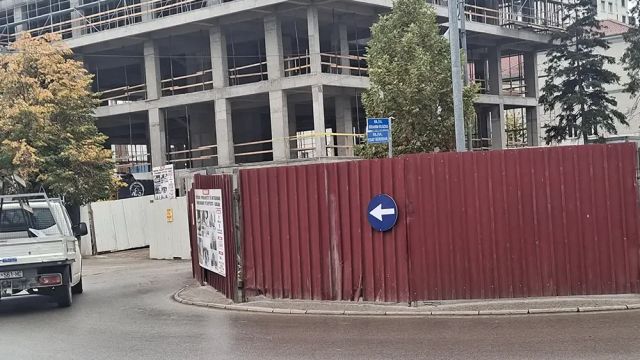
Devijimi i paqartë në rrugën drejt qendrës po shkakton tollovi, qytetarët kërkojnë sinjalistikë më profesionale
-
Related story
Society
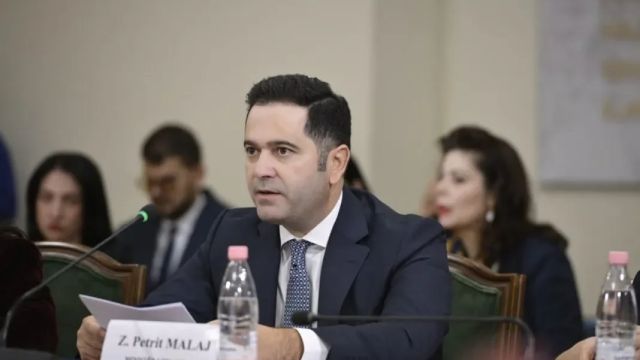
Malaj thotë se Paketa Fiskale nuk rrit taksat, por relacionet e projektligjeve tregojnë të kundërtën
-
Related story

Society
Socialistët miratojnë ligjin që i jep imunitet guvernatorit të Bankës së Shqipërisë


Readers’ comments
These are readers’ own words, not the publishers’ and not Mosaic’s. Moderators read them; a comment that breaks the rules is hidden or removed.
No comments yet. Be the first to say something useful.