

Society updated
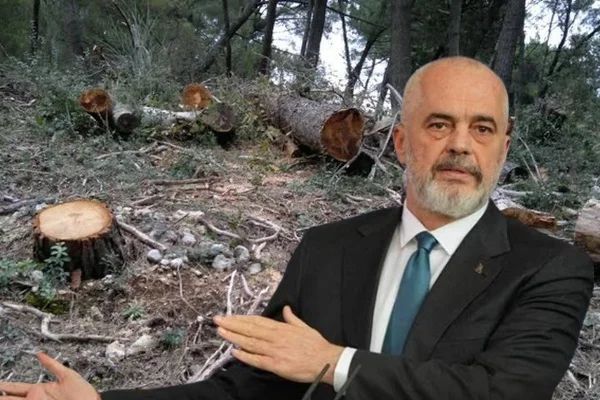
Raporti i OKB: 100 mijë hektarë pyje në Shqipëri “u zhdukën”
What happened
Compiled from the sources
Shqipëria vijon të përballet me informalitet të lartë në tregun e druve të zjarrit, degradim të sipërfaqeve pyjore dhe varësi
In the story's original language
An excerpt from Gijotina
Shqipëria vijon të përballet me informalitet të lartë në tregun e druve të zjarrit, degradim të sipërfaqeve pyjore dhe varësi të konsiderueshme nga importet e lëndës drusore. Një raport i Ministrisë së Mjedisit, i dorëzuar pranë Komisionit Ekonomik të Kombeve të Bashkuara për Europën (UNECE), evidenton se deri në 90% e tregut të druve të zjarrit vlerësohet se funksionon në informalitet, ndërsa rreth 71% e sipërfaqeve pyjore përbëhet nga pyje të degraduara, cungishte apo shkurre të ulëta. Dokumenti, i dorëzuar më 23 tetor 2026, është përgatitur për sesionin e 84-t të Komitetit për Pyjet dhe Industrinë Pyjore të UNECE, që do të zhvillohet në datat 4–6 nëntor 2026. Ai analizon zhvillimet e sektorit gjatë viteve 2025–2026 dhe perspektivën për vitin 2027. Raporti nxjerr në pah një kontradiktë të rëndësishme: megjithëse Shqipëria ka prej vitit 2016 një moratorium për prerjen e pyjeve, sektori vazhdon të përballet me informalitet, vështirësi në gjurmimin e lëndës drusore dhe probleme…
What is still uncertain
From Mosaic, not from a publisher
- So far only Gijotina reports this story on Mosaic, so there is no other coverage to compare it with.
How they headlined it
-
Gijotina Albania · when Mosaic first saw it
Raporti i OKB: 100 mijë hektarë pyje në Shqipëri “u zhdukën”
Earliest report found by Mosaic
Shqipëria vijon të përballet me informalitet të lartë në tregun e druve të zjarrit, degradim të sipërfaqeve pyjore dhe varësi
Compiled from the outlet's own words · In the story's original language
Publisher's date:

How we decide
From Mosaic, not from a publisher
An article's time is the date its publisher gives, when that is plausible: not in the future, and not more than 180 minutes before Mosaic found the article. Otherwise it is when Mosaic first saw it. "Earliest report found by Mosaic" is the one with the earliest time; it does not prove that its outlet published first.
An article is marked "Repeats another outlet's text" when its cleaned text is word for word the same as another article's in the story, or nearly the same (the two texts' SimHash fingerprints differ in at most 12 of 64 bits). Both texts must have at least 30 words, and the articles must be within 48 hours of each other. That does not say who took it from whom: it can be a news agency's text or a press release that several outlets published.
It is also marked when at least 50 % of the two texts' three-word sequences are shared (estimated with MinHash), as with a copy whose lead, footer or page elements differ.
Think one of these labels is wrong? Use "Contest this" beside it: staff look at every one.
A vote says whether a story deserves more or less prominence; it does not say whether it is true. If a story is false or misleading, report it instead. For now votes are collected and do not change the order of stories. How votes are used · Report it as false or misleading
Follow developments
This story cannot be followed on its own. Follow its topics and category, and the new stories about them appear under Following.
Other related stories
-
Related story
Society
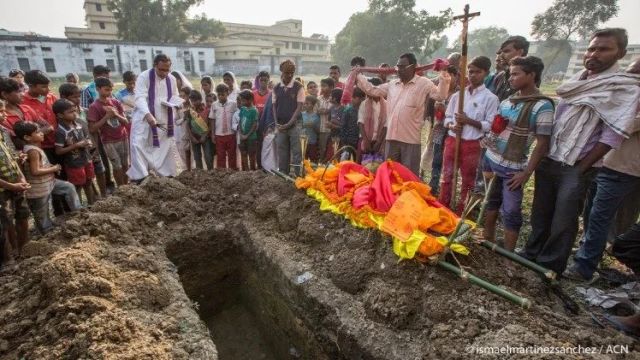
Raporti i ACS: 220 milionë të krishterë viktima të dhunës dhe të persekutimit në botë
-
Related story
Society
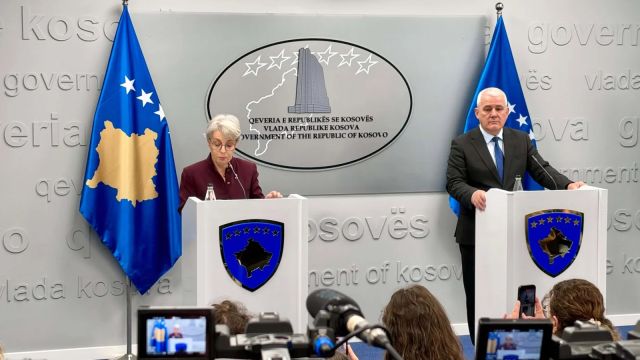
Kosovë| Vrasja e Arlinda Zekajt, raporti zbulon dështimet institucionale
-
Related story

Society
Drejtori Hita në konferencë për shtyp: Janë identifikuar personat e maskuar në protestë
-
Related story
Society
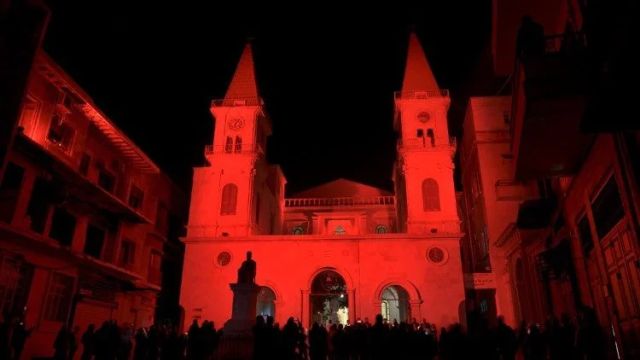
Përndjekja e të krishterëve në Lindjen e Mesme po përkeqësohet


Readers’ comments
These are readers’ own words, not the publishers’ and not Mosaic’s. Moderators read them; a comment that breaks the rules is hidden or removed.
No comments yet. Be the first to say something useful.