


Society updated
Procesi i njohjes së diplomave për studentët nga Mali i Zi që studiojnë në gjuhën shqipe bëhet më i lehtë
What happened
Compiled from the sources
Procesi i njohjes së diplomave për studentët nga Mali i Zi që studiojnë në gjuhën shqipe është lehtësuar, duke hequr tarifën prej 3,500 eurosh për ekuivalentim.
In the story's original language
An excerpt from LajmiExpress
Në bashkëpunim me Ambasadën e Republikës së Shqipërisë në Mal të Zi, është arritur të hiqet tarifa prej 3,500 eurosh për ekuivalentimin e diplomave për studentët nga Mali i Zi që kanë ndjekur studimet në gjuhën shqipe në universitetet shqiptare. Kjo iniciativë ka një ndikim të veçantë mbi anëtarët e pakicës shqiptare në Mal të Zi, duke pasur parasysh karakteristikat gjuhësore të këtij komuniteti. Ndryshe nga shumica e grupeve të tjera etnike në Mal të Zi, të cilat përdorin gjuhë sllave, shqiptarët ndjekin arsimimin në gjuhën shqipe, çka e bën procesin e njohjes dhe ekuivalentimit të diplomave më të ndjeshëm nga ana administrative dhe financiare. Që nga viti 1991, anëtarët e pakicës shqiptare në Mal të Zi kanë përfituar kuota të lira studimi në universitetet shqiptare, si pjesë e mbështetjes së vazhdueshme për arsimimin në gjuhën shqipe. Ministrja e Arsimit, Shkencës dhe Inovacionit e Malit të Zi, znj. Anđela Jakšić-Stojanović, ka luajtur një rol të rëndësishëm në këtë proces, duke…
What is still uncertain
From Mosaic, not from a publisher
- So far only LajmiExpress reports this story on Mosaic, so there is no other coverage to compare it with.
How they headlined it
-
LajmiExpress North Macedonia · when Mosaic first saw it
Procesi i njohjes së diplomave për studentët nga Mali i Zi që studiojnë në gjuhën shqipe bëhet më i lehtë
By Vjollca
Earliest report found by Mosaic
Procesi i njohjes së diplomave për studentët nga Mali i Zi që studiojnë në gjuhën shqipe është lehtësuar, duke hequr tarifën prej 3,500 eurosh për ekuivalentim.
Compiled from the outlet's own words · In the story's original language
Publisher's date:

How we decide
From Mosaic, not from a publisher
An article's time is the date its publisher gives, when that is plausible: not in the future, and not more than 180 minutes before Mosaic found the article. Otherwise it is when Mosaic first saw it. "Earliest report found by Mosaic" is the one with the earliest time; it does not prove that its outlet published first.
An article is marked "Repeats another outlet's text" when its cleaned text is word for word the same as another article's in the story, or nearly the same (the two texts' SimHash fingerprints differ in at most 12 of 64 bits). Both texts must have at least 30 words, and the articles must be within 48 hours of each other. That does not say who took it from whom: it can be a news agency's text or a press release that several outlets published.
It is also marked when at least 50 % of the two texts' three-word sequences are shared (estimated with MinHash), as with a copy whose lead, footer or page elements differ.
Think one of these labels is wrong? Use "Contest this" beside it: staff look at every one.
A vote says whether a story deserves more or less prominence; it does not say whether it is true. If a story is false or misleading, report it instead. For now votes are collected and do not change the order of stories. How votes are used · Report it as false or misleading
Follow developments
This story cannot be followed on its own. Follow its topics and category, and the new stories about them appear under Following.
Other related stories
-
Related story

Society
Enigmë gjeopolitike: Pse e shohim Serbinë si mikun tonë më të madh dhe Bullgarinë si armikun tonë më të madh?
-
Related story

Society
Për herë të parë në histori, Papa Leo XIV votoi në zgjedhjet amerikane
-
Related story
Society
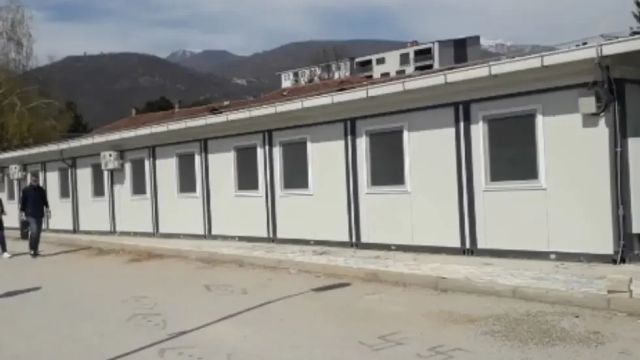
Gjykata Supreme anulon vendimet për spitalin modular në Tetovë, rasti kthehet në rigjykim
-
Related story

Society
Akuza për ndërhyrje nga jashtë e atmosferë frike në prag të zgjedhjeve lokale


Readers’ comments
These are readers’ own words, not the publishers’ and not Mosaic’s. Moderators read them; a comment that breaks the rules is hidden or removed.
No comments yet. Be the first to say something useful.