

Society updated
Peja dikur me tren drejt Evropës: Kujtimet e stacionit të vjetër të qytetit
What happened
Compiled from the sources
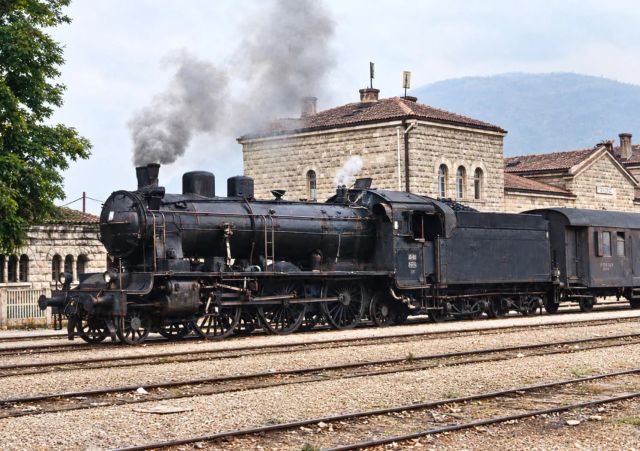
Fotografia e vjetër rikthen historinë e stacionit të trenit në Pejë, prej nga qytetarët niseshin edhe në udhëtime të gjata ndërkombëtare. Një fotografi e vjetër e stacionit të trenit në Pejë, e siguruar nga Günther Haslbeck, sjell në…
In the story's original language
An excerpt from Peja në Fokus
Fotografia e vjetër rikthen historinë e stacionit të trenit në Pejë, prej nga qytetarët niseshin edhe në udhëtime të gjata ndërkombëtare. Linja hekurudhore Fushë Kosovë–Pejë u ndërtua në vitin 1936. Një fotografi e vjetër e stacionit të trenit në Pejë, e siguruar nga Günther Haslbeck, sjell në vëmendje një pjesë të historisë së qytetit dhe kujtimet e njerëzve që e kanë përjetuar atë kohë. Për shumë qytetarë, stacioni ishte më shumë se një pikë nisjeje dhe mbërritjeje. Ai ishte pjesë e jetës së përditshme dhe e udhëtimeve që lidhnin Pejën me vende të tjera. Eksperti i turizmit, Zekë Çeku, kujton se pas përfundimit të mësimit shkonte bashkë me shokë nga Qyshku dhe fshatrat përreth për të pritur trenat në stacionin e Pejës. Ai tregon se më vonë, pas përfundimit të Gjimnazit Pedagogjik, të njohur edhe si Normalja, stacioni u bë pikënisje e udhëtimeve të tij drejt Kroacisë. “Më vonë, pas kryerjes së Gjimnazit Pedagogjik/Normales, nga ky stacion, nisesha çdoherë në udhëtimet për në Rijekë…
What is still uncertain
From Mosaic, not from a publisher
- So far only Peja në Fokus reports this story on Mosaic, so there is no other coverage to compare it with.
How they headlined it
-
Peja në Fokus Kosovo · when Mosaic first saw it
Peja dikur me tren drejt Evropës: Kujtimet e stacionit të vjetër të qytetit
By Peja ne Fokus
Earliest report found by Mosaic
Fotografia e vjetër rikthen historinë e stacionit të trenit në Pejë, prej nga qytetarët niseshin edhe në udhëtime të gjata ndërkombëtare. Një fotografi e vjetër e stacionit të trenit në Pejë, e siguruar nga Günther Haslbeck, sjell në…
Compiled from the outlet's own words · In the story's original language
Publisher's date:

How we decide
From Mosaic, not from a publisher
An article's time is the date its publisher gives, when that is plausible: not in the future, and not more than 180 minutes before Mosaic found the article. Otherwise it is when Mosaic first saw it. "Earliest report found by Mosaic" is the one with the earliest time; it does not prove that its outlet published first.
An article is marked "Repeats another outlet's text" when its cleaned text is word for word the same as another article's in the story, or nearly the same (the two texts' SimHash fingerprints differ in at most 12 of 64 bits). Both texts must have at least 30 words, and the articles must be within 48 hours of each other. That does not say who took it from whom: it can be a news agency's text or a press release that several outlets published.
It is also marked when at least 50 % of the two texts' three-word sequences are shared (estimated with MinHash), as with a copy whose lead, footer or page elements differ.
Think one of these labels is wrong? Use "Contest this" beside it: staff look at every one.
A vote says whether a story deserves more or less prominence; it does not say whether it is true. If a story is false or misleading, report it instead. For now votes are collected and do not change the order of stories. How votes are used · Report it as false or misleading
Follow developments
This story cannot be followed on its own. Follow its topics and category, and the new stories about them appear under Following.
Other related stories
-
Related story
Society
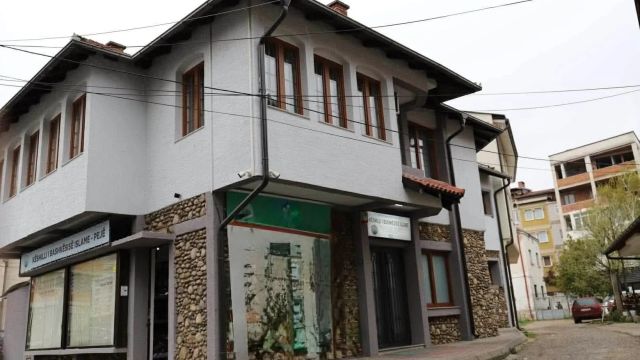
BIK-u i Pejës miraton buxhetin, por nuk tregon shumën
-
Related story

Society
‘Peja në Fokus’ certifikohet për raportimin e ndryshimeve klimatike
-
Related story
Society
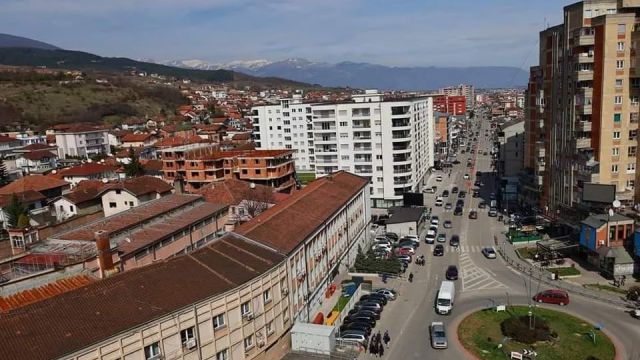
Ditë e rëndë në Pejë: Vdekje, protestë dhe arrestime
-
Related story
Society
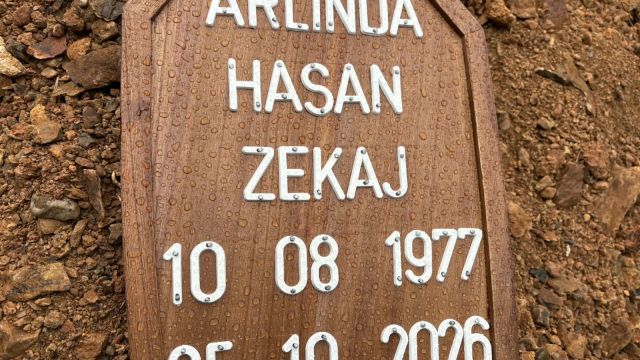
I jepet lamtumira e fundit Arlinda Zekajt


Readers’ comments
These are readers’ own words, not the publishers’ and not Mosaic’s. Moderators read them; a comment that breaks the rules is hidden or removed.
No comments yet. Be the first to say something useful.