
Society updated
Tre protestues padisin Ramën për shpifje dhe fyerje • Shteg Investigativ
What happened
Compiled from the sources
Pasi kryeministri i paraqiti publikisht si persona me precedentë kriminalë, tre protestues kanë kërkuar gjykimin e tij për shpifje dhe fyerje. Ata paralajmërojnë edhe një kallëzim penal në SPAK.
In the story's original language
An excerpt from Shteg Investigativ
Credits: Facebook i kryeministrit Edi Rama - Pamje nga komunikimi publik i kryeministrit, 23 tetor 2026Tre protestues kanë ndërmarrë veprime ligjore ndaj kryeministrit Edi Rama, pasi ky i fundit publikoi fotografitë e tyre gjatë një komunikimi publik më 23 tetor, duke i paraqitur si persona me precedentë kriminalë dhe pjesë të komponentit kriminal të protestave kundër qeverisë. Ervin Vrioni, Beonard Prençi dhe Adgert Fejza kanë paraqitur më 29 tetor një kërkesë për gjykim penal ndaj kreut të qeverisë për veprat e fyerjes dhe shpifjes, të parashikuara nga nenet 119 dhe 120 të Kodit Penal. Ata pretendojnë se deklaratat e kryeministrit kanë cenuar nderin, dinjitetin dhe reputacionin e tyre, ndërsa paralajmërojnë se të premten do të depozitojnë edhe një kallëzim penal në Prokurorinë e Posaçme, SPAK. Në kërkesën për gjykim, të tre kundërshtojnë mënyrën se si u paraqitën publikisht gjatë komunikimit të kryeministrit, kur fotografitë e tyre u shfaqën në ekran të shoqëruara me iniciale, mosha…
What is still uncertain
From Mosaic, not from a publisher
- Mosaic is not sure that every article is about the same event; the grouping is waiting for a check.
- So far only Shteg Investigativ reports this story on Mosaic, so there is no other coverage to compare it with.
How they headlined it
-
Shteg Investigativ Albania · when Mosaic first saw it
Tre protestues padisin Ramën për shpifje dhe fyerje • Shteg Investigativ
Earliest report found by Mosaic
Pasi kryeministri i paraqiti publikisht si persona me precedentë kriminalë, tre protestues kanë kërkuar gjykimin e tij për shpifje dhe fyerje. Ata paralajmërojnë edhe një kallëzim penal në SPAK.
Compiled from the outlet's own words · In the story's original language
Publisher's date:

How we decide
From Mosaic, not from a publisher
An article's time is the date its publisher gives, when that is plausible: not in the future, and not more than 180 minutes before Mosaic found the article. Otherwise it is when Mosaic first saw it. "Earliest report found by Mosaic" is the one with the earliest time; it does not prove that its outlet published first.
An article is marked "Repeats another outlet's text" when its cleaned text is word for word the same as another article's in the story, or nearly the same (the two texts' SimHash fingerprints differ in at most 12 of 64 bits). Both texts must have at least 30 words, and the articles must be within 48 hours of each other. That does not say who took it from whom: it can be a news agency's text or a press release that several outlets published.
It is also marked when at least 50 % of the two texts' three-word sequences are shared (estimated with MinHash), as with a copy whose lead, footer or page elements differ.
Think one of these labels is wrong? Use "Contest this" beside it: staff look at every one.
A vote says whether a story deserves more or less prominence; it does not say whether it is true. If a story is false or misleading, report it instead. For now votes are collected and do not change the order of stories. How votes are used · Report it as false or misleading
Follow developments
This story cannot be followed on its own. Follow its topics and category, and the new stories about them appear under Following.
Other related stories
-
Related story

Society
Tre vjet nga vdekja e Xhemal Nikajt (1946–2023)
-
Related story
Society
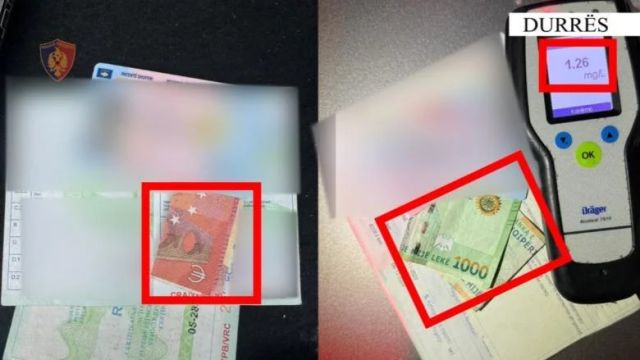
Tentuan të korruptojnë policët për tu shpëtuar gjobave, nën hetim tre shoferë në Durrës
-
Related story

Society
Tre shenjat e horoskopit që e nisin nëntorin me fat, para dhe suksese në karrierë
-
Related story

Society
Shpërthimi vdekjeprurës në Greqi/ Tre të arrestuarit kishin rreth 80 përplasje me policinë, shqiptari i përfshirë në mbi 20 raste


Readers’ comments
These are readers’ own words, not the publishers’ and not Mosaic’s. Moderators read them; a comment that breaks the rules is hidden or removed.
No comments yet. Be the first to say something useful.