

Society updated
Konferencat Ipeshkvnore Evropiane: “Paqja e vërtetë nuk mund të imponohet”
What happened
Compiled from the sources
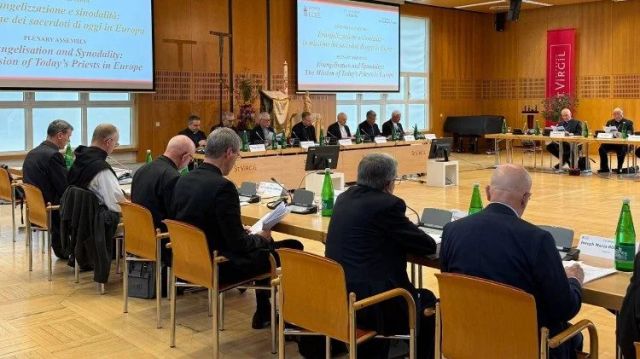
CCEE apel nga Salzburgu për një paqe të drejtë dhe të qëndrueshme në të gjitha zonat e konfliktit të këtij kontinenti dhe të mbarë botës.
In the story's original language
An excerpt from Vatican News – shqip
Vatican News “Ne ripërtërijmë thirrjen tonë të palëkundur për një paqe të drejtë dhe të qëndrueshme në të gjitha zonat e konfliktit të këtij kontinenti dhe të mbarë botës”. Ky është apeli i presidentëve të Konferencave Ipeshkvnore të Evropës, të mbledhur në Salzburg për Asamblenë Plenare 2026 të Këshillit të Konferencave Ipeshkvnore Evropiane (CCEE). Teksti, i datës 29 tetor, i referohet 800-vjetorit të vdekjes së Shën Françeskut të Asizit, “mësuesit të paqes dhe të pajtimit”.Ipeshkvijtë e CCEE-së kujtojnë se: “Kontinenti ynë evropian po përballet me konfliktin më të madh ushtarak që nga Lufta e Dytë Botërore” dhe se “askush nuk mund të mbetet indiferent ndaj mizorive që po ndodhin në Ukrainë”. Më tej, presidentët e Konferencave Ipeshkvnore të Evropës theksojnë se “Paqja e vërtetë nuk mund të imponohet; ajo nuk është një marrëveshje që thjesht duhet të nënshkruhet. Ajo fillon në zemrën e njeriut”.Në mesazhin e tyre, ipeshkvijtë evropianë referohen edhe Papa Leonit XIV, i cili, me…
What is still uncertain
From Mosaic, not from a publisher
- Mosaic is not sure that every article is about the same event; the grouping is waiting for a check.
- So far only Vatican News – shqip reports this story on Mosaic, so there is no other coverage to compare it with.
How they headlined it
-
Vatican News – shqip Vatican City · when Mosaic first saw it
Konferencat Ipeshkvnore Evropiane: “Paqja e vërtetë nuk mund të imponohet”
By Vatican News
Earliest report found by Mosaic
CCEE apel nga Salzburgu për një paqe të drejtë dhe të qëndrueshme në të gjitha zonat e konfliktit të këtij kontinenti dhe të mbarë botës.
Compiled from the outlet's own words · In the story's original language
Publisher's date:

How we decide
From Mosaic, not from a publisher
An article's time is the date its publisher gives, when that is plausible: not in the future, and not more than 180 minutes before Mosaic found the article. Otherwise it is when Mosaic first saw it. "Earliest report found by Mosaic" is the one with the earliest time; it does not prove that its outlet published first.
An article is marked "Repeats another outlet's text" when its cleaned text is word for word the same as another article's in the story, or nearly the same (the two texts' SimHash fingerprints differ in at most 12 of 64 bits). Both texts must have at least 30 words, and the articles must be within 48 hours of each other. That does not say who took it from whom: it can be a news agency's text or a press release that several outlets published.
It is also marked when at least 50 % of the two texts' three-word sequences are shared (estimated with MinHash), as with a copy whose lead, footer or page elements differ.
Think one of these labels is wrong? Use "Contest this" beside it: staff look at every one.
A vote says whether a story deserves more or less prominence; it does not say whether it is true. If a story is false or misleading, report it instead. For now votes are collected and do not change the order of stories. How votes are used · Report it as false or misleading
Follow developments
This story cannot be followed on its own. Follow its topics and category, and the new stories about them appear under Following.
Other related stories
-
Related story
Society
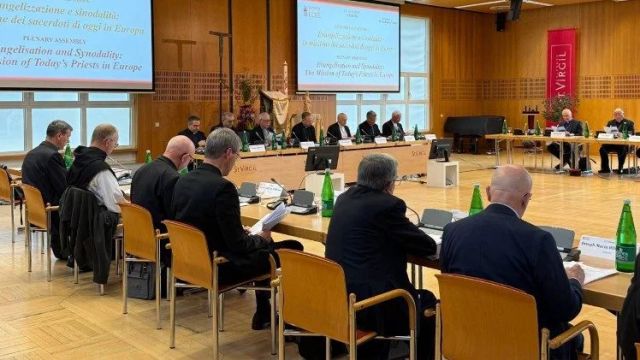
Në Salzburg Asambleja e Këshillit të Konferencave Ipeshkvnore të Evropës
-
Related story
Society
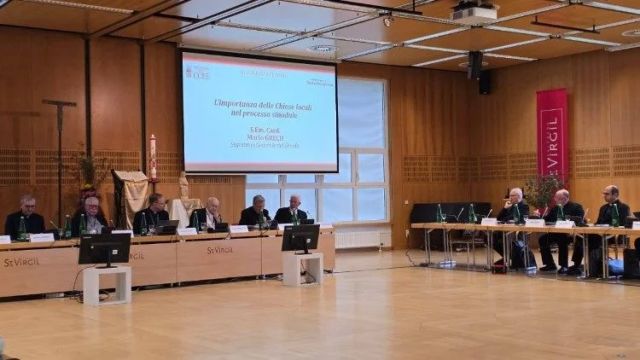
CCEE, së bashku me Papën për paqen në Ukrainë dhe në mbarë botën
-
Related story

Society
Në Romë, një konferencë për marrëdhëniet e Selisë së Shenjtë me regjimet totalitare të shekullit XX
-
Related story

Society
Drejtori Hita në konferencë për shtyp: Janë identifikuar personat e maskuar në protestë


Readers’ comments
These are readers’ own words, not the publishers’ and not Mosaic’s. Moderators read them; a comment that breaks the rules is hidden or removed.
No comments yet. Be the first to say something useful.