

Society updated
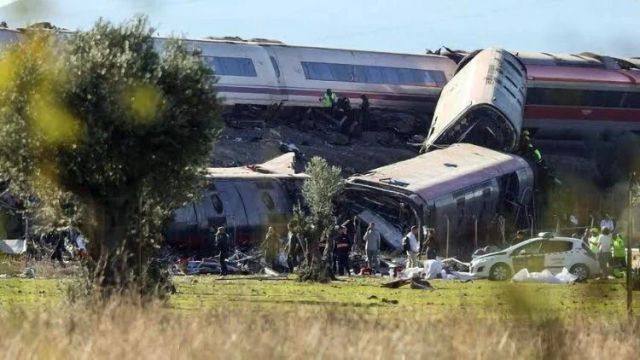
Dhimbja e Papës Leoni XIV për viktimat e aksidentit hekurudhor në Spanjë
What happened
Compiled from the sources
Në një telegram të nënshkruar nga Sekretari i Shtetit të Vatikanit, kardinali Pietro Parolin, Papa shpreh afërsinë e tij shpirtërore me njerëzit e përfshirë në përplasjen tragjike mes dy trenave të shpejtësisë së lartë, ndodhur dje, më 28 tetor, në Toledo, me një bilanc prej më se 60 viktimash.
In the story's original language
An excerpt from Vatican News – shqip
Vatican News Papa Leoni XIV shprehet «thellësisht i pikëlluar» për «lajmin e dhimbshëm» të përplasjes tragjike ndërmjet dy trenave të shpejtësisë së lartë, ndodhur dje, më 28 tetor, në zonën spanjolle të Urda-s, pranë Toledos. Bilanci i viktimave është i rëndë: mbi 60 të vdekur dhe 180 të plagosur. Ati i Shenjtë siguron lutje për viktimat në një telegram të nënshkruar nga Sekretari i Shtetit të Vatikanit, kardinali Pietro Parolin, drejtuar kryeipeshkvit të Toledos, imzot Francisco Cerro Chaves. Lutja për ekipet e ndërhyrjes së shpejtë Në tekst, Leoni XIV u shpreh «ngushëllimet e tij të sinqerta familjarëve të njerëzve, që kanë humbur jetën», duke vënë njëkohësisht në dukje «shprehjet e ngushëllimit, kujdesit të përzemërt dhe urimet për shërim të shpejtë…
What is still uncertain
From Mosaic, not from a publisher
- So far only Vatican News – shqip reports this story on Mosaic, so there is no other coverage to compare it with.
How they headlined it
-
Vatican News – shqip Vatican City · when Mosaic first saw it
Dhimbja e Papës Leoni XIV për viktimat e aksidentit hekurudhor në Spanjë
By Vatican News
Earliest report found by Mosaic
Në një telegram të nënshkruar nga Sekretari i Shtetit të Vatikanit, kardinali Pietro Parolin, Papa shpreh afërsinë e tij shpirtërore me njerëzit e përfshirë në përplasjen tragjike mes dy trenave të shpejtësisë së lartë, ndodhur dje, më 28 tetor, në Toledo, me një bilanc prej më se 60 viktimash.
Compiled from the outlet's own words · In the story's original language
Publisher's date:

How we decide
From Mosaic, not from a publisher
An article's time is the date its publisher gives, when that is plausible: not in the future, and not more than 180 minutes before Mosaic found the article. Otherwise it is when Mosaic first saw it. "Earliest report found by Mosaic" is the one with the earliest time; it does not prove that its outlet published first.
An article is marked "Repeats another outlet's text" when its cleaned text is word for word the same as another article's in the story, or nearly the same (the two texts' SimHash fingerprints differ in at most 12 of 64 bits). Both texts must have at least 30 words, and the articles must be within 48 hours of each other. That does not say who took it from whom: it can be a news agency's text or a press release that several outlets published.
It is also marked when at least 50 % of the two texts' three-word sequences are shared (estimated with MinHash), as with a copy whose lead, footer or page elements differ.
Think one of these labels is wrong? Use "Contest this" beside it: staff look at every one.
A vote says whether a story deserves more or less prominence; it does not say whether it is true. If a story is false or misleading, report it instead. For now votes are collected and do not change the order of stories. How votes are used · Report it as false or misleading
Follow developments
This story cannot be followed on its own. Follow its topics and category, and the new stories about them appear under Following.




Readers’ comments
These are readers’ own words, not the publishers’ and not Mosaic’s. Moderators read them; a comment that breaks the rules is hidden or removed.
No comments yet. Be the first to say something useful.