

Society updated
Ndikimi rus në hapësirën digjitale maqedonase: Si e synon rrjeti i propagandës së UGO-së KOM-KO-në
What happened
Compiled from the sources
Rasti i “Unionit të Gazetarëve Ortodoks” (UGO) zbulon një skemë të zhvilluar mirë dhe transnacionale në të cilën ortodoksia përdoret si një instrument i fuqisë së butë dhe ndikimit gjeopolitik. Përmes menaxhimit të aftë të faqes së internetit rajonal
In the story's original language
An excerpt from Vërtetmatës
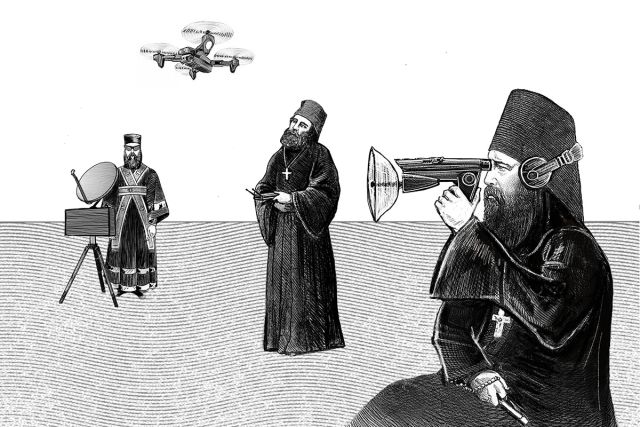
Rasti i “Unionit të Gazetarëve Ortodoks” (UGO) zbulon një skemë të zhvilluar mirë dhe transnacionale në të cilën ortodoksia përdoret si një instrument i fuqisë së butë dhe ndikimit gjeopolitik. Përmes menaxhimit të aftë të faqes së internetit rajonale serbe dhe rrjeteve sociale, kjo platformë arrin të anashkalojë barrierën gjuhësore dhe të infiltrojë drejtpërdrejt narrativat pro-ruse në hapësirën informative maqedonase. Qëllimi i tyre kryesor editorial në Maqedoni nuk është e vërteta, por mbjellja strategjike e dyshimit ndaj Patriarkanës Ekumenike me qëllim pengimin e integrimit të plotë të Kishës Ortodokse (KOM-KO) në botën ortodokse. Shkruar nga: Ana Anastasovska Rrjeti global mediatik “Unioni i Gazetarëve Ortodoks” (UGO), i cili është një platformë propagande pro-ruse me seli në Ukrainë, është drejtpërdrejt i pranishëm në hapësirën digjitale maqedonase dhe synon në mënyrë aktive Kishën Ortodokse Maqedonase – Kryepeshkopata e Ohrit (KOM-KO) për të arritur interesat kishtare-politike…
What is still uncertain
From Mosaic, not from a publisher
- So far only Vërtetmatës reports this story on Mosaic, so there is no other coverage to compare it with.
How they headlined it
-
Vërtetmatës North Macedonia · when Mosaic first saw it
Ndikimi rus në hapësirën digjitale maqedonase: Si e synon rrjeti i propagandës së UGO-së KOM-KO-në
By Admin
Earliest report found by Mosaic
Rasti i “Unionit të Gazetarëve Ortodoks” (UGO) zbulon një skemë të zhvilluar mirë dhe transnacionale në të cilën ortodoksia përdoret si një instrument i fuqisë së butë dhe ndikimit gjeopolitik. Përmes menaxhimit të aftë të faqes së internetit rajonal
Compiled from the outlet's own words · In the story's original language
Publisher's date:

How we decide
From Mosaic, not from a publisher
An article's time is the date its publisher gives, when that is plausible: not in the future, and not more than 180 minutes before Mosaic found the article. Otherwise it is when Mosaic first saw it. "Earliest report found by Mosaic" is the one with the earliest time; it does not prove that its outlet published first.
An article is marked "Repeats another outlet's text" when its cleaned text is word for word the same as another article's in the story, or nearly the same (the two texts' SimHash fingerprints differ in at most 12 of 64 bits). Both texts must have at least 30 words, and the articles must be within 48 hours of each other. That does not say who took it from whom: it can be a news agency's text or a press release that several outlets published.
It is also marked when at least 50 % of the two texts' three-word sequences are shared (estimated with MinHash), as with a copy whose lead, footer or page elements differ.
Think one of these labels is wrong? Use "Contest this" beside it: staff look at every one.
A vote says whether a story deserves more or less prominence; it does not say whether it is true. If a story is false or misleading, report it instead. For now votes are collected and do not change the order of stories. How votes are used · Report it as false or misleading
Follow developments
This story cannot be followed on its own. Follow its topics and category, and the new stories about them appear under Following.
Other related stories
-
Related story

Society
Sa do të kushtonte në të vërtetë rritja e TVSH-së për të financuar AHV-në, bazuar në të ardhura?
-
Related story
Society
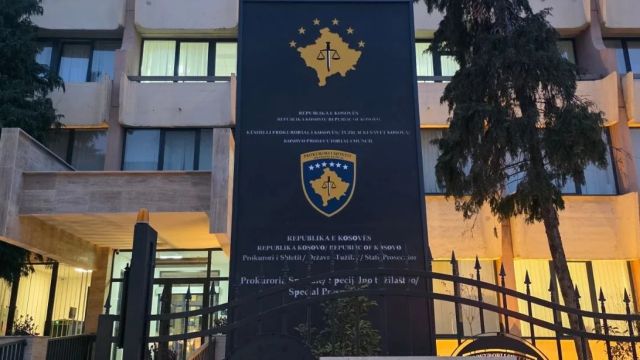
Prokuroria Speciale mohon ndikimin politik pas pushimit të hetimeve ndaj ministrave: Janë marrë në bazë të provave
-
Related story

Society
Drafti i Komisionit Evropian për Kosovën: S’ka përparim në fushat themelore, ndikim politik në drejtësi, progresi në Dialog i pamjaftueshëm
-
Related story
Society
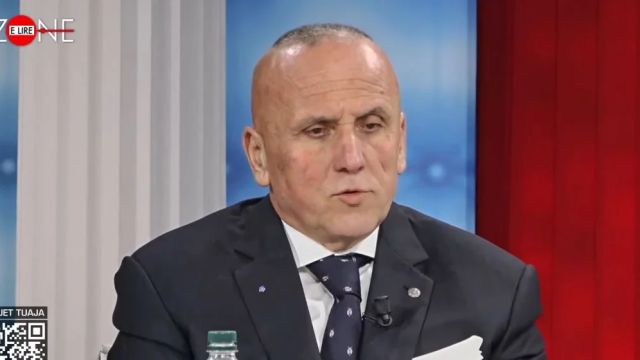
“Të gjithë faktorët i ka kundër vetes, ka probleme të brendshme”/ Ilir Kulla: Rama ka humbur ndikimin te shqiptarët e Kosovës dhe Maqedonisë së Veriut, nuk ka më çfarë t’i ofrojë Perëndimit për Ballkanin


Readers’ comments
These are readers’ own words, not the publishers’ and not Mosaic’s. Moderators read them; a comment that breaks the rules is hidden or removed.
No comments yet. Be the first to say something useful.