

Society updated
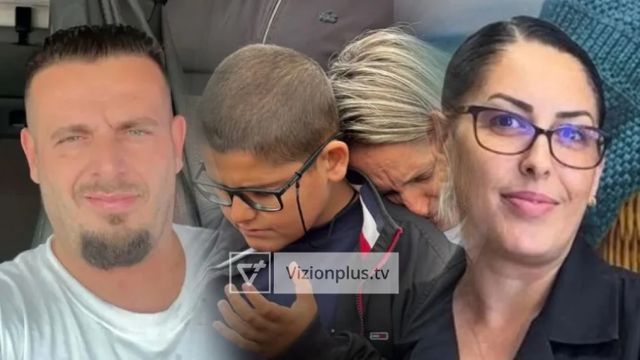
“Kurrë nuk ke për ta marrë djalin”, dalin bisedat, si e kërcënonte ish-bashkëshorti Arlinda Zekajn para se të
What happened
Compiled from the sources
Kërcënimet dhe konfliktet për kujdestarinë e djalit të mitur kishin shoqëruar Arlinda Zekajn para se të vritej nga kunati i saj, Albert Sylaj. Një bisedë…
In the story's original language
An excerpt from Vizion Plus
Kosova “Kurrë nuk ke për ta marrë djalin”, dalin bisedat, si e kërcënonte ish-bashkëshorti Arlinda Zekajn para se të vritej A MPublikuar 30 Tetor 21:15 · 3 min lexim Kërcënimet dhe konfliktet për kujdestarinë e djalit të mitur kishin shoqëruar Arlinda Zekajn para se të vritej nga kunati i saj, Albert Sylaj. Një bisedë mes saj dhe ish-bashkëshortit, Jeton Sylaj, zbulon tensionet dhe presionin lidhur me çështjen e kujdestarisë. Në komunikimin mes tyre, Arlinda këmbëngulte se djali duhej të jetonte me të ëmën, ndërsa ish-bashkëshorti i përgjigjej me tone kërcënuese se nuk do ta lejonte kurrë ta merrte fëmijën. Gjatë bisedës, Jeton Sylaj i thotë: “Kurrë nuk ke për ta marrë”, ndërsa më tej shton: “Besen e Zotit po ta jap dhe ti futi gishtat në sy, nuk ke për ta pasur”. Arlinda e pyet disa herë nëse është i sigurt për qëndrimin e tij, ndërsa ai e mbyll bisedën me një tjetër paralajmërim: “Prej këtij minuti e humbe privilegjin për të folur me të”. Biseda mes tyre: Arlinda Zekaj: Me nënën e…
What is still uncertain
From Mosaic, not from a publisher
- So far only Vizion Plus reports this story on Mosaic, so there is no other coverage to compare it with.
How they headlined it
-
Vizion Plus Albania · publisher's date
“Kurrë nuk ke për ta marrë djalin”, dalin bisedat, si e kërcënonte ish-bashkëshorti Arlinda Zekajn para se të
By A M
Earliest report found by Mosaic
Kërcënimet dhe konfliktet për kujdestarinë e djalit të mitur kishin shoqëruar Arlinda Zekajn para se të vritej nga kunati i saj, Albert Sylaj. Një bisedë…
Compiled from the outlet's own words · In the story's original language

How we decide
From Mosaic, not from a publisher
An article's time is the date its publisher gives, when that is plausible: not in the future, and not more than 180 minutes before Mosaic found the article. Otherwise it is when Mosaic first saw it. "Earliest report found by Mosaic" is the one with the earliest time; it does not prove that its outlet published first.
An article is marked "Repeats another outlet's text" when its cleaned text is word for word the same as another article's in the story, or nearly the same (the two texts' SimHash fingerprints differ in at most 12 of 64 bits). Both texts must have at least 30 words, and the articles must be within 48 hours of each other. That does not say who took it from whom: it can be a news agency's text or a press release that several outlets published.
It is also marked when at least 50 % of the two texts' three-word sequences are shared (estimated with MinHash), as with a copy whose lead, footer or page elements differ.
Think one of these labels is wrong? Use "Contest this" beside it: staff look at every one.
A vote says whether a story deserves more or less prominence; it does not say whether it is true. If a story is false or misleading, report it instead. For now votes are collected and do not change the order of stories. How votes are used · Report it as false or misleading
Follow developments
This story cannot be followed on its own. Follow its topics and category, and the new stories about them appear under Following.
Other related stories
-
Related story

Society
Shenjat e horoskopit që nuk kalojnë kurrë pa u vënë re, karakteri i tyre i fortë nuk lë askënd indiferent
-
Related story
Society
Berisha zotohet: Në qeverisjen e PD nuk do ketë kurrë taksë mbi 12.5%! Kurse për shportën do kompensohet 100% TVSH-ja e çdo malli
-
Related story

Society
Shpallet “Burri më seksi në botë” për vitin 2026, aktori: Nuk e kisha imagjinuar kurrë
-
Related story

Society
Shtatë sinjalet që tregojnë se partneri yt mund të jetë i rrezikshëm


Readers’ comments
These are readers’ own words, not the publishers’ and not Mosaic’s. Moderators read them; a comment that breaks the rules is hidden or removed.
No comments yet. Be the first to say something useful.