
Society updated
Transformimi i arsimit: A po humbet diploma universitare vlerën në epokën e inteligjencës artificiale?
What happened
Compiled from the sources
Ndryshimet e shpejta që po sjell inteligjenca artificiale në tregun e punës po nxisin një rishikim të thellë të rolit tradicional të diplomës universitare dhe të prioriteteve që duhet të ketë arsimi në të ardhmen.
In the story's original language
An excerpt from InfoKosova
Ndryshimet e shpejta që po sjell inteligjenca artificiale në tregun e punës po nxisin një rishikim të thellë të rolit tradicional të diplomës universitare dhe të prioriteteve që duhet të ketë arsimi në të ardhmen. Shumë të rinj vazhdojnë ta shohin diplomën universitare si investimin më të sigurt për karrierën e tyre. Megjithatë, disa kompani po e sfidojnë këtë qasje tradicionale. Palantir, për shembull, ka filluar të rekrutojë drejtpërdrejt maturantë të shkollave të mesme, duke e lënë pas diplomën si kriter të nevojshëm. Gjigantët si Google dhe Apple kanë hequr prej vitesh kërkesat për diplomë universitare, ndërsa IBM ka deklaruar se mbi gjysma e vendeve të reja të punës në SHBA nuk kërkojnë më një diplomë bachelor. Këto ndryshime janë tregues të një transformimi më të gjerë në mënyrën se si e shohim arsimin dhe aftësitë e nevojshme për të pasur sukses në karrierë. Yilei Shao, nga Shkolla e Financës dhe Inteligjencës Artificiale në Universitetin Normal të Kinës Lindore, argumenton se…
What is still uncertain
From Mosaic, not from a publisher
- So far only InfoKosova reports this story on Mosaic, so there is no other coverage to compare it with.
How they headlined it
-
InfoKosova Kosovo · publisher's date
Transformimi i arsimit: A po humbet diploma universitare vlerën në epokën e inteligjencës artificiale?
By Info Kosova
Earliest report found by Mosaic
Ndryshimet e shpejta që po sjell inteligjenca artificiale në tregun e punës po nxisin një rishikim të thellë të rolit tradicional të diplomës universitare dhe të prioriteteve që duhet të ketë arsimi në të ardhmen.
Compiled from the outlet's own words · In the story's original language

How we decide
From Mosaic, not from a publisher
An article's time is the date its publisher gives, when that is plausible: not in the future, and not more than 180 minutes before Mosaic found the article. Otherwise it is when Mosaic first saw it. "Earliest report found by Mosaic" is the one with the earliest time; it does not prove that its outlet published first.
An article is marked "Repeats another outlet's text" when its cleaned text is word for word the same as another article's in the story, or nearly the same (the two texts' SimHash fingerprints differ in at most 12 of 64 bits). Both texts must have at least 30 words, and the articles must be within 48 hours of each other. That does not say who took it from whom: it can be a news agency's text or a press release that several outlets published.
It is also marked when at least 50 % of the two texts' three-word sequences are shared (estimated with MinHash), as with a copy whose lead, footer or page elements differ.
Think one of these labels is wrong? Use "Contest this" beside it: staff look at every one.
A vote says whether a story deserves more or less prominence; it does not say whether it is true. If a story is false or misleading, report it instead. For now votes are collected and do not change the order of stories. How votes are used · Report it as false or misleading
Follow developments
This story cannot be followed on its own. Follow its topics and category, and the new stories about them appear under Following.
Other related stories
-
Related story

Society
Barcelona rikthen në radar Bastonin, italiani kërkon garanci nga Hansi Flick
-
Related story
Society
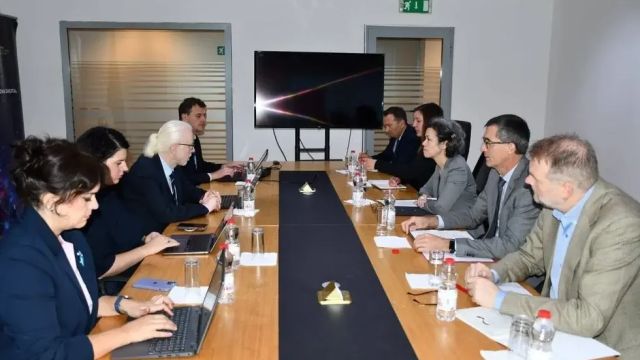
Kosova dhe Gjermania diskutojnë për digjitalizimin e administratës publike
-
Related story
Society
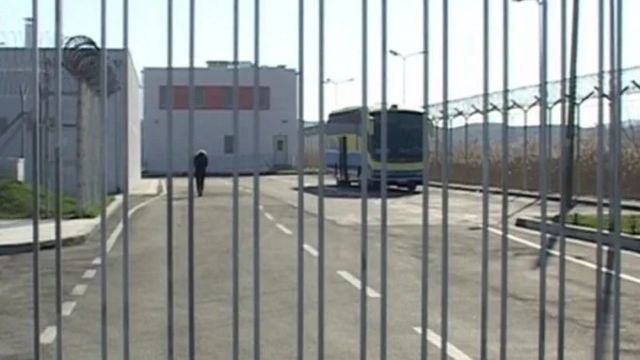
Veliaj në Fier, reagojnë Burgjet: Urdhëri përbën sekret shtetëror, transferimi për siguri


Readers’ comments
These are readers’ own words, not the publishers’ and not Mosaic’s. Moderators read them; a comment that breaks the rules is hidden or removed.
No comments yet. Be the first to say something useful.