

Society updated
Erdogan: Sulmet ndaj anijeve civile në Detin e Zi duhet të ndalen, situata në rajon mund të përshkallëzohet
What happened
Compiled from the sources
Presidenti turk, Recep Tayyip Erdogan, ka paralajmëruar se sulmet ndaj anijeve civile në Detin e Zi mund të shkaktojnë një përshkallëzim të mëtejshëm të
In the story's original language
An excerpt from Euronews Albania
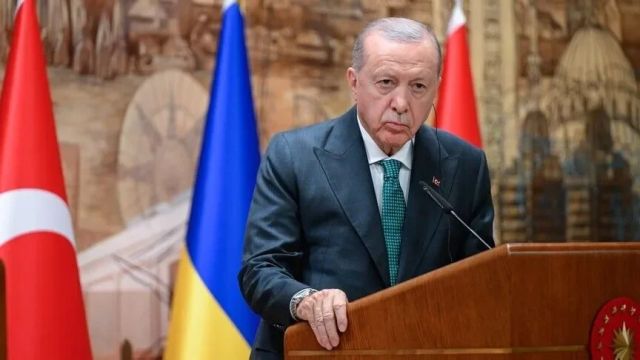
Bota Erdogan: Sulmet ndaj anijeve civile në Detin e Zi duhet të ndalen, situata në rajon mund të përshkallëzohet 31 Tetor 2026 | 18:09 Presidenti turk, Recep Tayyip Erdogan, ka paralajmëruar se sulmet ndaj anijeve civile në Detin e Zi mund të shkaktojnë një përshkallëzim të mëtejshëm të tensioneve në rajon, duke theksuar se një zhvillim i tillë nuk do t’i shërbente interesave të asnjë pale. Deklarata u bë të shtunën gjatë një konference të përbashkët për shtyp me presidentin ukrainas, Volodymyr Zelenskyy, i cili ndodhet në Stamboll për një vizitë pune. Gjatë takimit, dy liderët diskutuan mbi përpjekjet e intensifikuara për të përmirësuar situatën e sigurisë në Detin e Zi dhe për të garantuar lundrimin e sigurt në këtë zonë strategjike. Erdogan shprehu gjithashtu gatishmërinë e Ankarasë për të kontribuar në përpjekjet diplomatike për përfundimin e luftës në Ukrainë. “Ne jemi të gatshëm të bëjmë çdo përpjekje të mundshme për të hapur rrugën drejt paqes në Ukrainë”, deklaroi presidenti…
What is still uncertain
From Mosaic, not from a publisher
- So far only Euronews Albania reports this story on Mosaic, so there is no other coverage to compare it with.
How they headlined it
-
Euronews Albania Albania · publisher's date
Erdogan: Sulmet ndaj anijeve civile në Detin e Zi duhet të ndalen, situata në rajon mund të përshkallëzohet
By Elidona Aga
Earliest report found by Mosaic
Presidenti turk, Recep Tayyip Erdogan, ka paralajmëruar se sulmet ndaj anijeve civile në Detin e Zi mund të shkaktojnë një përshkallëzim të mëtejshëm të
Compiled from the outlet's own words · In the story's original language

How we decide
From Mosaic, not from a publisher
An article's time is the date its publisher gives, when that is plausible: not in the future, and not more than 180 minutes before Mosaic found the article. Otherwise it is when Mosaic first saw it. "Earliest report found by Mosaic" is the one with the earliest time; it does not prove that its outlet published first.
An article is marked "Repeats another outlet's text" when its cleaned text is word for word the same as another article's in the story, or nearly the same (the two texts' SimHash fingerprints differ in at most 12 of 64 bits). Both texts must have at least 30 words, and the articles must be within 48 hours of each other. That does not say who took it from whom: it can be a news agency's text or a press release that several outlets published.
It is also marked when at least 50 % of the two texts' three-word sequences are shared (estimated with MinHash), as with a copy whose lead, footer or page elements differ.
Think one of these labels is wrong? Use "Contest this" beside it: staff look at every one.
A vote says whether a story deserves more or less prominence; it does not say whether it is true. If a story is false or misleading, report it instead. For now votes are collected and do not change the order of stories. How votes are used · Report it as false or misleading
Follow developments
This story cannot be followed on its own. Follow its topics and category, and the new stories about them appear under Following.
Other related stories
-
Related story

Society
TURQI – Erdogan pret Zelensky në Stamboll, diskutime për përfundimin e luftës në Ukrainë
-
Related story
Society
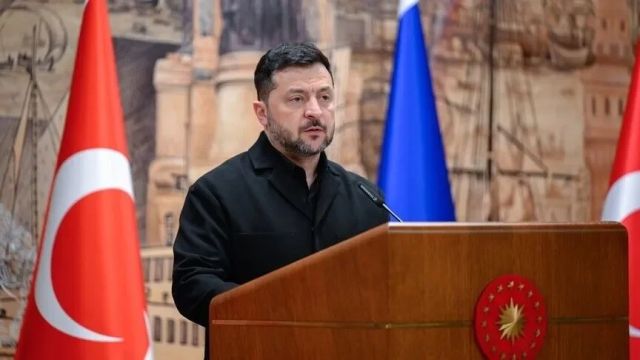
Zelenskyy dhe Erdogan bien dakord për krijimin e një korridori të ri të grurit në Detin e Zi
-
Related story

Society
Zelensky mbërrin në Stamboll, takim me Erdoganin


Readers’ comments
These are readers’ own words, not the publishers’ and not Mosaic’s. Moderators read them; a comment that breaks the rules is hidden or removed.
No comments yet. Be the first to say something useful.