

Society updated
Çmimet e transportit publik rriten sërish në Austri: Ja sa do të paguajnë pasagjerët në vitin 2027
What happened
Compiled from the sources
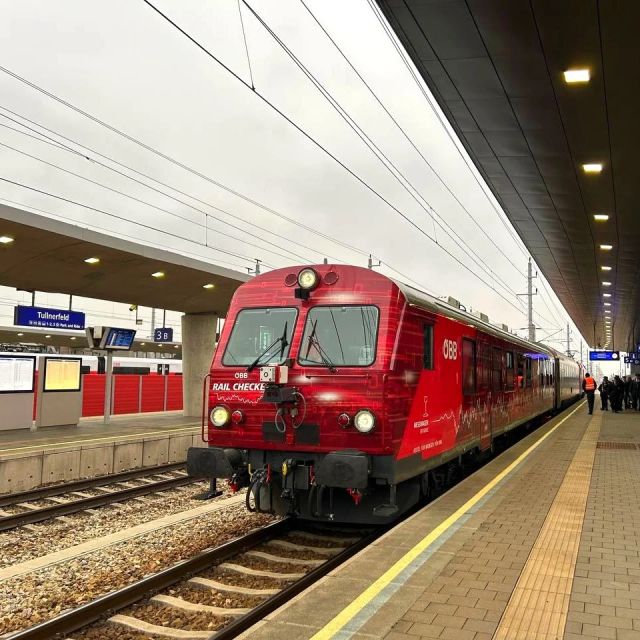
Transporti publik po bëhet sërish më i shtrenjtë! Duke filluar nga janari i vitit 2027, çmimet e biletave në Vjenë, Austrinë e Poshtme dhe Burgenland do të rriten mesatarisht për 3,4 për qind.
In the story's original language
An excerpt from albinfo.ch
Kushdo që udhëton me transport publik në Vjenë, Austrinë e Poshtme ose Burgenland, nga viti i ardhshëm do të duhet të shpenzojë më shumë para. Duke filluar nga 1 janari 2027, “Verkehrsverbund Ost-Region” (VOR) do t’i rrisë çmimet e biletave mesatarisht me 3,4 për qind. Kjo prek biletat për udhëtime të vetme, biletat ditore, biletat vjetore, si dhe “KlimaTicket”-et. Arsyeja e kësaj rritjeje është shtrenjtimi i përgjithshëm i çmimeve, konkretisht indeksi mesatar i çmimeve të konsumit gjatë dymbëdhjetë muajve të fundit. Sipas VOR-it, ky hap synon të përballojë rritjen e kostove të personelit, energjisë dhe shpenzimeve operative. Bileta vjetore për Vjenën në të ardhmen do të kushtojë 483 euro Edhe shërbimet e *Wiener Linien* do të bëhen më të shtrenjta. Duke filluar nga janari, bileta vjetore standarde do të kushtojë 483,10 euro (nëse paguhet menjëherë në një këst të vetëm), që i bie rreth 1,32 euro në ditë. Për të rinjtë, pensionistët dhe personat që gëzojnë të drejtën për një biletë…
What is still uncertain
From Mosaic, not from a publisher
- So far only albinfo.ch reports this story on Mosaic, so there is no other coverage to compare it with.
How they headlined it
-
albinfo.ch Switzerland · publisher's date
Çmimet e transportit publik rriten sërish në Austri: Ja sa do të paguajnë pasagjerët në vitin 2027
By Erezzaademi
Earliest report found by Mosaic
Transporti publik po bëhet sërish më i shtrenjtë! Duke filluar nga janari i vitit 2027, çmimet e biletave në Vjenë, Austrinë e Poshtme dhe Burgenland do të rriten mesatarisht për 3,4 për qind.
Compiled from the outlet's own words · In the story's original language

How we decide
From Mosaic, not from a publisher
An article's time is the date its publisher gives, when that is plausible: not in the future, and not more than 180 minutes before Mosaic found the article. Otherwise it is when Mosaic first saw it. "Earliest report found by Mosaic" is the one with the earliest time; it does not prove that its outlet published first.
An article is marked "Repeats another outlet's text" when its cleaned text is word for word the same as another article's in the story, or nearly the same (the two texts' SimHash fingerprints differ in at most 12 of 64 bits). Both texts must have at least 30 words, and the articles must be within 48 hours of each other. That does not say who took it from whom: it can be a news agency's text or a press release that several outlets published.
It is also marked when at least 50 % of the two texts' three-word sequences are shared (estimated with MinHash), as with a copy whose lead, footer or page elements differ.
Think one of these labels is wrong? Use "Contest this" beside it: staff look at every one.
A vote says whether a story deserves more or less prominence; it does not say whether it is true. If a story is false or misleading, report it instead. For now votes are collected and do not change the order of stories. How votes are used · Report it as false or misleading
Follow developments
This story cannot be followed on its own. Follow its topics and category, and the new stories about them appear under Following.
Other related stories
-
Related story
Economy
Bordi i Transparencës ndryshon çmimet e karburanteve, sa do të shitet nafta dhe benzina
-
Related story
Economy
Bordi i Transparencës ndryshon çmimet e karburanteve, sa do të shitet nafta dhe benzina
-
Related story
Economy
Bordi i Transparencës ndryshon çmimet e karburanteve, sa do të shitet nafta dhe benzina
-
Related story
Society
Bordi i Transparencës ndryshon çmimet e karburanteve, sa do të shitet nafta dhe benzina


Readers’ comments
These are readers’ own words, not the publishers’ and not Mosaic’s. Moderators read them; a comment that breaks the rules is hidden or removed.
No comments yet. Be the first to say something useful.