


Society updated
Gjithçka në duart e AKSHI-t, OECD: Shqipëria ka modelin më të centralizuar të shërbimeve digjitale në rajon
What happened
Compiled from the sources
Gjithçka në duart e AKSHI-t, OECD: Shqipëria ka modelin më të centralizuar të shërbimeve digjitale në rajon
In the story's original language
An excerpt from BalkanWeb
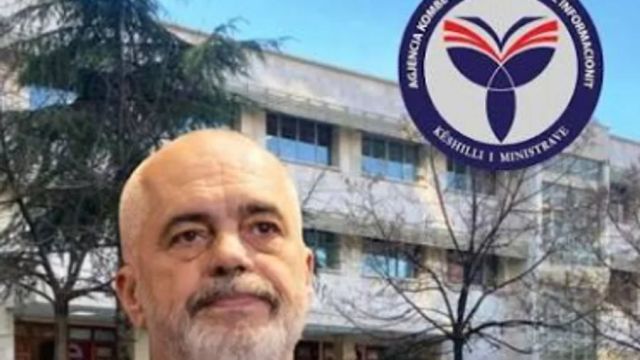
Shqipëria ka modelin më të centralizuar të administrimit të shërbimeve publike digjitale në Ballkanin Perëndimor, me Agjencinë Kombëtare të Shoqërisë së Informacionit (AKSHI) që kontrollon pjesën kryesore të zhvillimit dhe funksionimit të tyre. Ky përqendrim ka mundësuar që rreth 95% e shërbimeve të administratës qendrore të ofrohen plotësisht online në fund të vitit 2025, por ka krijuar njëkohësisht varësi të lartë nga kapacitetet e një institucioni të vetëm dhe ka lënë pas bashkitë, universitetet dhe institucionet e tjera të pavarura. Sipas raportit të OECD-së, Shqipëria përfaqëson rastin më të qartë në rajon ku një institucion qendror jo vetëm koordinon politikat e digjitalizimit, por zhvillon dhe administron drejtpërdrejt edhe zgjidhjet teknologjike që përdoren nga ministritë dhe agjencitë e tjera. AKSHI, institucion në varësi të Kryeministrisë, ushtron një rol të dyfishtë. Nga njëra anë, merr pjesë në përcaktimin e qasjeve të përbashkëta për projektimin e shërbimeve elektronike…
What is still uncertain
From Mosaic, not from a publisher
- So far only BalkanWeb reports this story on Mosaic, so there is no other coverage to compare it with.
How they headlined it
-
BalkanWeb Albania · when Mosaic first saw it
Gjithçka në duart e AKSHI-t, OECD: Shqipëria ka modelin më të centralizuar të shërbimeve digjitale në rajon
Earliest report found by Mosaic
Gjithçka në duart e AKSHI-t, OECD: Shqipëria ka modelin më të centralizuar të shërbimeve digjitale në rajon
Compiled from the outlet's own words · In the story's original language

How we decide
From Mosaic, not from a publisher
An article's time is the date its publisher gives, when that is plausible: not in the future, and not more than 180 minutes before Mosaic found the article. Otherwise it is when Mosaic first saw it. "Earliest report found by Mosaic" is the one with the earliest time; it does not prove that its outlet published first.
An article is marked "Repeats another outlet's text" when its cleaned text is word for word the same as another article's in the story, or nearly the same (the two texts' SimHash fingerprints differ in at most 12 of 64 bits). Both texts must have at least 30 words, and the articles must be within 48 hours of each other. That does not say who took it from whom: it can be a news agency's text or a press release that several outlets published.
It is also marked when at least 50 % of the two texts' three-word sequences are shared (estimated with MinHash), as with a copy whose lead, footer or page elements differ.
Think one of these labels is wrong? Use "Contest this" beside it: staff look at every one.
A vote says whether a story deserves more or less prominence; it does not say whether it is true. If a story is false or misleading, report it instead. For now votes are collected and do not change the order of stories. How votes are used · Report it as false or misleading
Follow developments
This story cannot be followed on its own. Follow its topics and category, and the new stories about them appear under Following.
Other related stories
-
Related story
Society
Gjithçka në duart e AKSHI-t, OECD: Shqipëria ka modelin më të centralizuar të shërbimeve digjitale në rajon
-
Related story

Society
Gjithçka në duart e AKSHI-t, OECD: Shqipëria ka modelin më të centralizuar të shërbimeve digjitale në rajon
-
Related story

Society
Mickoski për “Alta Bankën”: Kapitali nuk hyn në Maqedoni pa kontrollin e Bankës Popullore
-
Related story

Society
U plagos në sy gjatë protestave studentore, Erjon Vishkulli reagon sërish: Po përballem me një tjetër sfidë! Lutem që gjithçka të kalojë me sukses


Readers’ comments
These are readers’ own words, not the publishers’ and not Mosaic’s. Moderators read them; a comment that breaks the rules is hidden or removed.
No comments yet. Be the first to say something useful.