

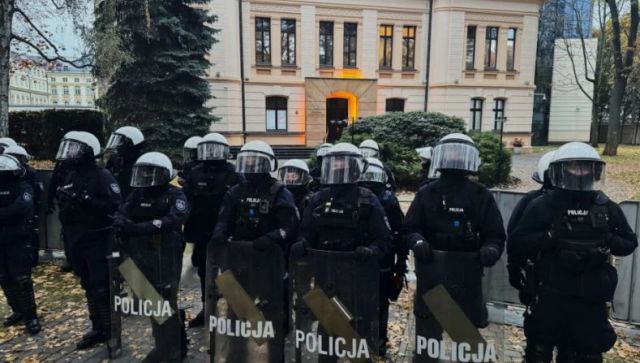
Society updated
Kriza në Gjykatën Kushtetuese të Polonisë, reagon KE: Parlamenti ka të drejtë të emërojë gjyqtarët
Covered by 2 outlets 150 points Why this story ranks here
What happened
Compiled from the sources
Komisioni Evropian ka reaguar lidhur me krizën në Gjykatën Kushtetuese të Polonisë, pas pezullimit të kryetarit të saj, duke theksuar se Parlamenti polak
In the story's original language
An excerpt from Euronews Albania
Evropa | Lajm kryesor Kriza në Gjykatën Kushtetuese të Polonisë, reagon KE: Parlamenti ka të drejtë të emërojë gjyqtarët 1 Nëntor 2026 | 10:53 Komisioni Evropian ka reaguar lidhur me krizën në Gjykatën Kushtetuese të Polonisë, pas pezullimit të kryetarit të saj, duke theksuar se Parlamenti polak ka kompetencën kushtetuese për të emëruar gjyqtarët e rinj. Zëdhënësi i Komisionit Evropian deklaroi se emërimi i tetë anëtarëve të rinj të Gjykatës Kushtetuese është në kompetencën e Sejmit, parlamentit polak. Ai theksoi gjithashtu se autoritetet e vendit duhet të garantojnë funksionimin e gjykatës në përputhje me Kushtetutën dhe jurisprudencën e Gjykatës së Drejtësisë së BE-së. Reagimi i Brukselit vjen pas përshkallëzimit të tensioneve në Varshavë, ku të premten u regjistruan edhe përplasje pranë Gjykatës Kushtetuese. Kriza u thellua pas pezullimit të kryetarit të gjykatës, Bogdan Swiechkovski, i emëruar gjatë qeverisjes së mëparshme nacionaliste. Në vend të tij, drejtimin e institucionit e…
What is still uncertain
From Mosaic, not from a publisher
- Mosaic is not sure that every article is about the same event; the grouping is waiting for a check.
How they headlined it
- Albania (2)
-
Euronews Albania Albania · publisher's date
Kriza në Gjykatën Kushtetuese të Polonisë, reagon KE: Parlamenti ka të drejtë të emërojë gjyqtarët
By Suela Meno
Earliest report found by Mosaic
Komisioni Evropian ka reaguar lidhur me krizën në Gjykatën Kushtetuese të Polonisë, pas pezullimit të kryetarit të saj, duke theksuar se Parlamenti polak
Compiled from the outlet's own words · In the story's original language
-
24 Orë Albania · publisher's date
Kriza në Gjykatën Kushtetuese të Polonisë, reagon Komisioni Evropian: Parlamenti ka të drejtë të emërojë gjyqtarët
By Orë
Komisioni Evropian ka reaguar lidhur me krizën në Gjykatën Kushtetuese të Polonisë, pas pezullimit të kryetarit të saj, duke theksuar se Parlamenti polak ka kompetencën kushtetuese për të emëruar
Compiled from the outlet's own words · In the story's original language


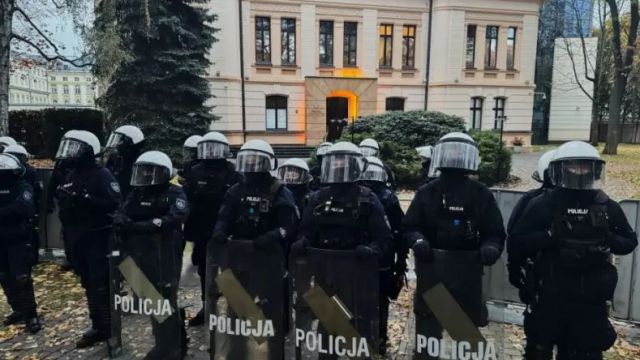

The number says how many outlets cover it, not how many independent investigations there are. An article that repeats another outlet's text may come from a news agency or a press release. How we decide
How we decide
From Mosaic, not from a publisher
An article's time is the date its publisher gives, when that is plausible: not in the future, and not more than 180 minutes before Mosaic found the article. Otherwise it is when Mosaic first saw it. "Earliest report found by Mosaic" is the one with the earliest time; it does not prove that its outlet published first.
An article is marked "Repeats another outlet's text" when its cleaned text is word for word the same as another article's in the story, or nearly the same (the two texts' SimHash fingerprints differ in at most 12 of 64 bits). Both texts must have at least 30 words, and the articles must be within 48 hours of each other. That does not say who took it from whom: it can be a news agency's text or a press release that several outlets published.
It is also marked when at least 50 % of the two texts' three-word sequences are shared (estimated with MinHash), as with a copy whose lead, footer or page elements differ.
Think one of these labels is wrong? Use "Contest this" beside it: staff look at every one.
A vote says whether a story deserves more or less prominence; it does not say whether it is true. If a story is false or misleading, report it instead. For now votes are collected and do not change the order of stories. How votes are used · Report it as false or misleading
Follow developments
This story cannot be followed on its own. Follow its topics and category, and the new stories about them appear under Following.
Other related stories
-
Related story
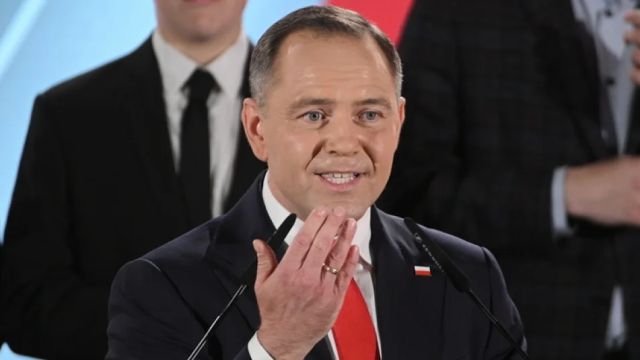
Society
Policia bastis Gjykatën Supreme të Polonisë, presidenti i vendit kthehet me nxitim nga udhëtimi jashtë vendit
-
Related story
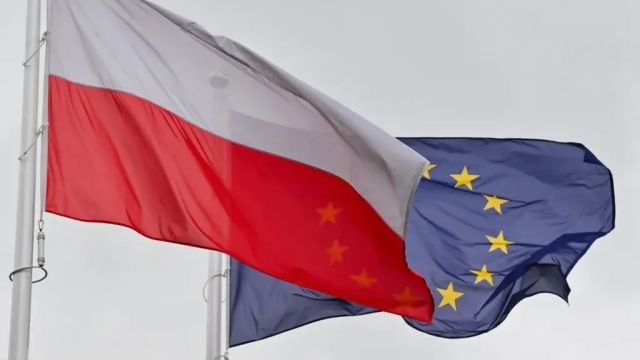
Society
POLONI – Përplasje në Gjykatën Kushtetuese, presidenti kundërshton emërimet e reja të gjyqtarëve
-
Related story
Society
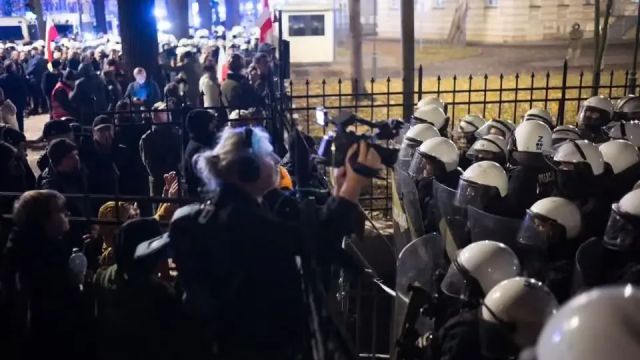
POLONI – Përplasje mes protestuesve dhe policisë në Varshavë, kriza në Gjykatën Kushtetuese shkakton tension
-
Related story

Society
POLONI – Kriza kushtetuese, përshkallëzohet përplasja mes presidentit dhe kryeministrit


Readers’ comments
These are readers’ own words, not the publishers’ and not Mosaic’s. Moderators read them; a comment that breaks the rules is hidden or removed.
No comments yet. Be the first to say something useful.