

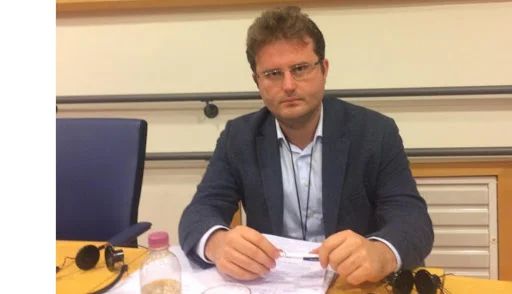
Society updated
Gjinali: Periudha postzgjedhore në Izrael, negociata të vështira politike
What happened
Compiled from the sources
Politologu Ardit Gjinali zhvilloi një bisedë në emisionin “World News”, Klan News, me gazetaren e mirënjohur Linda Karadaku mbi zhvillimet
In the story's original language
An excerpt from Argumentum
Politologu Ardit Gjinali zhvilloi një bisedë në emisionin “World News”, Klan News, me gazetaren e mirënjohur Linda Karadaku mbi zhvillimet post-zgjedhore në Izrael. Duke komentuar rezultatet përkatëse zgjedhore, Gjinali nënvizoi sigurimin e shumicës në dy plane nga zoti Netanjahu përkatësisht Partia Likud dhe koalicioni në tërësi, një shumicë e pamjaftueshme për të siguruar qeverisjen, të nevojshme prej minimalisht 61 mandatesh. Duke sjellë në vëmendje sistemin zgjedhor në Izrael, Gjinali theksoi që proçesi i negociatave është i ndërlikuar dhe pavarësisht mundësive matematikore teorike , mbetet shumë e vështirë që të ketë një anashkalim të partisë dhe bllokut elektoral që ka siguruar shumicën e vendeve në Kuvend, përkatësisht të zotit NETANJAHU; -“Polarizimi i thellë politik, bashkimi heterogjen i grupeve të ndryshme politike opozitare dhe numri i lartë i vendeve të fituara nga grupi i partive Arabe dërgojnë drejtë vështirësisë në arritjen e një rezultati pozitiv në negociata…
What is still uncertain
From Mosaic, not from a publisher
- So far only Argumentum reports this story on Mosaic, so there is no other coverage to compare it with.
How they headlined it
-
Argumentum Albania · publisher's date
Gjinali: Periudha postzgjedhore në Izrael, negociata të vështira politike
By Marjana Doda
Earliest report found by Mosaic
Politologu Ardit Gjinali zhvilloi një bisedë në emisionin “World News”, Klan News, me gazetaren e mirënjohur Linda Karadaku mbi zhvillimet
Compiled from the outlet's own words · In the story's original language

How we decide
From Mosaic, not from a publisher
An article's time is the date its publisher gives, when that is plausible: not in the future, and not more than 180 minutes before Mosaic found the article. Otherwise it is when Mosaic first saw it. "Earliest report found by Mosaic" is the one with the earliest time; it does not prove that its outlet published first.
An article is marked "Repeats another outlet's text" when its cleaned text is word for word the same as another article's in the story, or nearly the same (the two texts' SimHash fingerprints differ in at most 12 of 64 bits). Both texts must have at least 30 words, and the articles must be within 48 hours of each other. That does not say who took it from whom: it can be a news agency's text or a press release that several outlets published.
It is also marked when at least 50 % of the two texts' three-word sequences are shared (estimated with MinHash), as with a copy whose lead, footer or page elements differ.
Think one of these labels is wrong? Use "Contest this" beside it: staff look at every one.
A vote says whether a story deserves more or less prominence; it does not say whether it is true. If a story is false or misleading, report it instead. For now votes are collected and do not change the order of stories. How votes are used · Report it as false or misleading
Follow developments
This story cannot be followed on its own. Follow its topics and category, and the new stories about them appear under Following.
Other related stories
-
Related story
Society
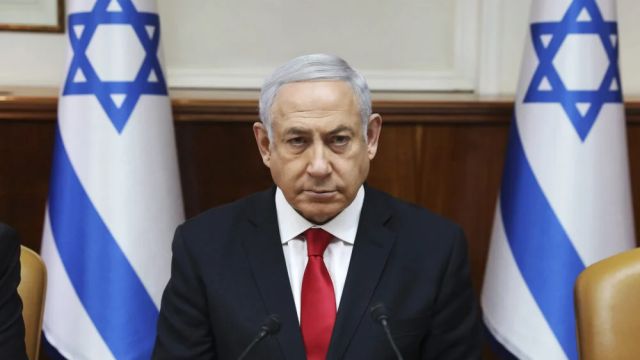
Zgjedhjet në Izrael ende pa fitues të qartë, Netanyahu përballet me bllokadë politike
-
Related story

Society
IZRAEL – Lieberman mbështet Eisenkotin për kryeministër, përjashton koalicionin me Netanyahun
-
Related story
Society
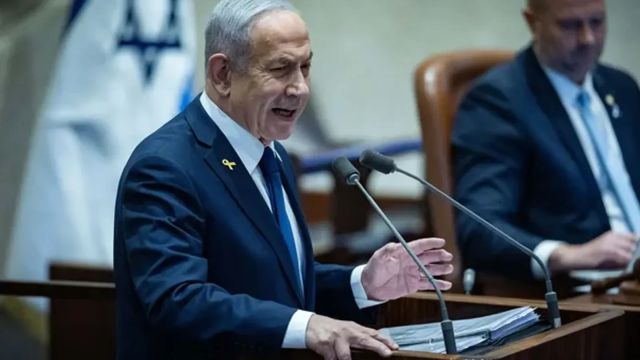
Izraeli përballë përmbysjes politike, Netanyahu në rrezik!
-
Related story

Society
IZRAEL – Ushtria izraelite tërhiqet nga Hebroni pas më shumë se një jave operacionesh ushtarake


Readers’ comments
These are readers’ own words, not the publishers’ and not Mosaic’s. Moderators read them; a comment that breaks the rules is hidden or removed.
No comments yet. Be the first to say something useful.