

Economy updated
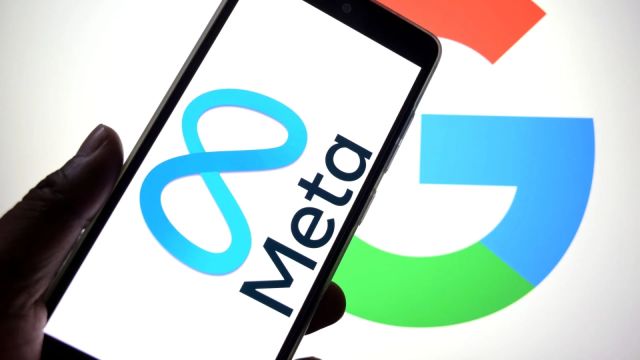
Pse AI po nxit biznesin e reklamave të Meta-s ndërsa dëmton kërkimin e Google
Reported by Gazeta Koha Jone 138 points Why this story ranks here
What happened
Compiled from the sources
Google dhe Meta (dikur Facebook) kanë dominuar peizazhin e internetit për dy dekada, duke kthyer vëmendjen e miliarda përdoruesve në triliona dollarë të ardhura nga reklamat. Megjithatë, me epokën e ChatGPT që po ndryshon mënyrën se si konsumatorët ndërveprojnë online, trajektoret e këtyre…
In the story's original language
An excerpt from Gazeta Koha Jone
Google dhe Meta (dikur Facebook) kanë dominuar peizazhin e internetit për dy dekada, duke kthyer vëmendjen e miliarda përdoruesve në triliona dollarë të ardhura nga reklamat. Megjithatë, me epokën e ChatGPT që po ndryshon mënyrën se si konsumatorët ndërveprojnë online, trajektoret e këtyre gjigantëve teknologjikë po ndahen. Investimet në inteligjencën artificiale (AI) po ndikojnë ndjeshëm në bizneset e tyre të reklamave, duke favorizuar Meta-n dhe duke krijuar sfida për Google. Në tremujorin e tretë, biznesi i reklamave i Meta-s u rrit më shumë se dy herë më shpejt se njësia e Kërkimit dhe shërbimeve të tjera të Google. Kjo mbështet pretendimin e Mark Zuckerberg se investimet e kompanisë së tij në AI po çojnë në mjete më të mira targetimi për markat, duke u mundësuar atyre të promovojnë mallra dhe shërbime në Facebook dhe Instagram. Pas ndryshimeve të privatësisë së iOS të Apple në vitin 2021, të cilat kufizuan ndjeshëm aftësinë e Meta-s për të targetuar përdoruesit në iPhone, AI i…
What is still uncertain
From Mosaic, not from a publisher
- So far only Gazeta Koha Jone reports this story on Mosaic, so there is no other coverage to compare it with.
How they headlined it
-
Gazeta Koha Jone Albania · publisher's date
Pse AI po nxit biznesin e reklamave të Meta-s ndërsa dëmton kërkimin e Google
By Nik
Earliest report found by Mosaic
Google dhe Meta (dikur Facebook) kanë dominuar peizazhin e internetit për dy dekada, duke kthyer vëmendjen e miliarda përdoruesve në triliona dollarë të ardhura nga reklamat. Megjithatë, me epokën e ChatGPT që po ndryshon mënyrën se si konsumatorët ndërveprojnë online, trajektoret e këtyre…
Compiled from the outlet's own words · In the story's original language

How we decide
From Mosaic, not from a publisher
An article's time is the date its publisher gives, when that is plausible: not in the future, and not more than 180 minutes before Mosaic found the article. Otherwise it is when Mosaic first saw it. "Earliest report found by Mosaic" is the one with the earliest time; it does not prove that its outlet published first.
An article is marked "Repeats another outlet's text" when its cleaned text is word for word the same as another article's in the story, or nearly the same (the two texts' SimHash fingerprints differ in at most 12 of 64 bits). Both texts must have at least 30 words, and the articles must be within 48 hours of each other. That does not say who took it from whom: it can be a news agency's text or a press release that several outlets published.
It is also marked when at least 50 % of the two texts' three-word sequences are shared (estimated with MinHash), as with a copy whose lead, footer or page elements differ.
Think one of these labels is wrong? Use "Contest this" beside it: staff look at every one.
A vote says whether a story deserves more or less prominence; it does not say whether it is true. If a story is false or misleading, report it instead. For now votes are collected and do not change the order of stories. How votes are used · Report it as false or misleading
Follow developments
This story cannot be followed on its own. Follow its topics and category, and the new stories about them appear under Following.
Other related stories
-
Related story

Society
Pse zgjedhjet afatmesme amerikane janë vendimtare për të ardhmen e vendit?
-
Related story

Society
10 arsyet pse dështoi protesta/ Berisha rrëmbeu kauzën, studentët u zëvendësuan nga “halabakët”, maskat shkatërruan lëvizjen dhe SHBA-BE dolën kundër skenarit të përmbysjes së pushtetit me dhunë!
-
Related story

Society
Protesta në Tiranë, analisti shpjegon pse Berisha duhet të largohet nga drejtimi i PD-së
-
Related story

Politics
“Mendësi prej xhelati”, Berisha shpërthen pas përjashtimit nga Kuvendi: Ja pse më ndëshkoi Rama


Readers’ comments
These are readers’ own words, not the publishers’ and not Mosaic’s. Moderators read them; a comment that breaks the rules is hidden or removed.
No comments yet. Be the first to say something useful.