

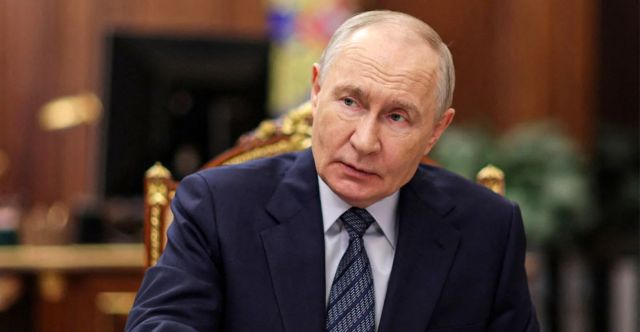
Society updated
Putini, probleme si në Tokë dhe hapësirë! Dështim i satelitëve rusë që synonin të rivalizonin Starlink, disa prej tyre po dalin nga orbita
What happened
Compiled from the sources
Putini, probleme si në Tokë dhe hapësirë! Dështim i satelitëve rusë që synonin të rivalizonin Starlink, disa prej tyre po dalin nga orbita
In the story's original language
An excerpt from BalkanWeb
Probleme të reja për programin hapësinor rus. Dy satelitë të konstelacionit Rassvet, të projektuar si alternativë ruse ndaj rrjetit Starlink të Elon Musk, kanë nisur të humbasin lartësi dhe rrezikojnë të dalin nga orbita. Sipas studiuesit të hapësirës Anatoly Zak, nga 17 satelitët e lëshuar në korrik, tre nuk arritën të vendoseshin në një orbitë të qëndrueshme në lartësinë e synuar prej rreth 500 kilometrash. Një tjetër satelit vijon përpjekjet për të fituar lartësi, ndërsa dy prej tyre kanë shfaqur probleme dhe kanë nisur të humbasin pozicionin orbital. Vështirësitë nuk janë të para për projektin Rassvet. Edhe grupi i parë i satelitëve hasi probleme teknike: një prej tyre ka dalë tashmë nga orbita, ndërsa 14 të tjerët arritën të pozicionohen pak mbi 500 kilometra, shumë më poshtë se lartësia prej 800 kilometrash që ishte parashikuar fillimisht. Projekti është një komponent i rëndësishëm i ambicieve të Rusisë për të krijuar një rrjet të pavarur komunikimi satelitor. Për të garantuar…
What is still uncertain
From Mosaic, not from a publisher
- So far only BalkanWeb reports this story on Mosaic, so there is no other coverage to compare it with.
How they headlined it
-
BalkanWeb Albania · when Mosaic first saw it
Putini, probleme si në Tokë dhe hapësirë! Dështim i satelitëve rusë që synonin të rivalizonin Starlink, disa prej tyre po dalin nga orbita
Earliest report found by Mosaic
Putini, probleme si në Tokë dhe hapësirë! Dështim i satelitëve rusë që synonin të rivalizonin Starlink, disa prej tyre po dalin nga orbita
Compiled from the outlet's own words · In the story's original language

How we decide
From Mosaic, not from a publisher
An article's time is the date its publisher gives, when that is plausible: not in the future, and not more than 180 minutes before Mosaic found the article. Otherwise it is when Mosaic first saw it. "Earliest report found by Mosaic" is the one with the earliest time; it does not prove that its outlet published first.
An article is marked "Repeats another outlet's text" when its cleaned text is word for word the same as another article's in the story, or nearly the same (the two texts' SimHash fingerprints differ in at most 12 of 64 bits). Both texts must have at least 30 words, and the articles must be within 48 hours of each other. That does not say who took it from whom: it can be a news agency's text or a press release that several outlets published.
It is also marked when at least 50 % of the two texts' three-word sequences are shared (estimated with MinHash), as with a copy whose lead, footer or page elements differ.
Think one of these labels is wrong? Use "Contest this" beside it: staff look at every one.
A vote says whether a story deserves more or less prominence; it does not say whether it is true. If a story is false or misleading, report it instead. For now votes are collected and do not change the order of stories. How votes are used · Report it as false or misleading
Follow developments
This story cannot be followed on its own. Follow its topics and category, and the new stories about them appear under Following.
Other related stories
-
Related story
Society
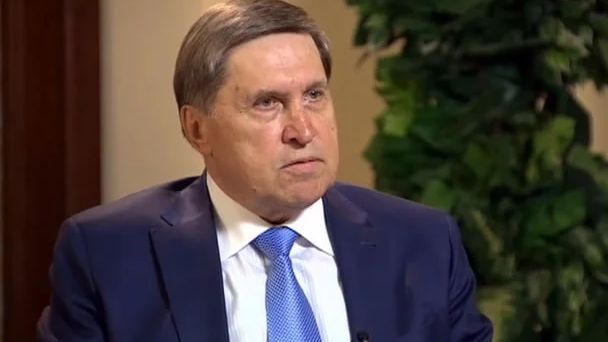
Putin nuk e ka refuzuar asnjëherë një bisedë me Zelenskyn, Ushakov: Nëse dëshiron negociata, mund të vijë në Moskë
-
Related story
Society
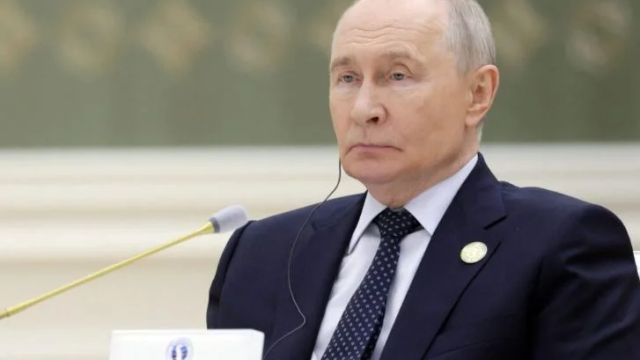
Kremlini: Putin do t’i përgjigjej një telefonate nga Zelensky, Rusia kërkon negociata trepalëshe
-
Related story
Society
MOSKË – Kremlini: Putin nuk i ka refuzuar kurrë bisedimet me Zelenskyn dhe do t’i përgjigjej thirrjes së tij
-
Related story

Society
Telefonata me Putinin përçan Evropën, Danimarka dhe Suedia kundër nismës


Readers’ comments
These are readers’ own words, not the publishers’ and not Mosaic’s. Moderators read them; a comment that breaks the rules is hidden or removed.
No comments yet. Be the first to say something useful.