

Culture and media updated
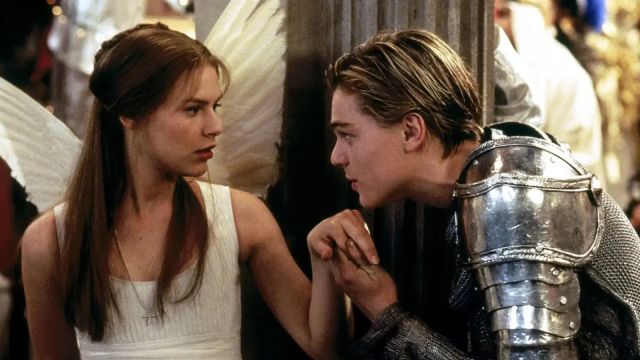
30 vjet nga Romeo dhe Zhulieta: Një tragjedi e përjetshme në një kontekst modern
Reported by InfoKosova 279 points Why this story ranks here
What happened
Compiled from the sources
30 vjet më parë, filmi “Romeo dhe Zhulieta”, i drejtuar nga Baz Luhrmann, solli një interpretim të ri të tragjedisë së njohur të William Shakespeare, duke e afruar atë me brezin e ri.
In the story's original language
An excerpt from InfoKosova
30 vjet më parë, filmi “Romeo dhe Zhulieta”, i drejtuar nga Baz Luhrmann, solli një interpretim të ri të tragjedisë së njohur të William Shakespeare, duke e afruar atë me brezin e ri. Kjo përshtatje e veçantë, me aktorët Leonardo DiCaprio dhe Claire Danes në rolet kryesore, arriti të krijojë një lidhje të fortë me adoleshentët e asaj kohe, duke e vendosur historinë e dashurisë në një ambient urban të viteve ’90. Filmi shërbeu si një mjet edukativ për mësuesit e anglishtes, duke e bërë veprën e Shekspirit më të kuptueshme për nxënësit, të cilët shpesh e gjenin të vështirë të lidhnin veten me tekstet klasike. Luhrmann e transformoi rrëfimin tradicional duke e zhvendosur atë nga Verona mesjetare në një mjedis bashkëkohor, duke e paraqitur përplasjen e dy familjeve si një luftë mes bandave kriminale, që kontrollonin territorin dhe aktivitetet e paligjshme. Dialogët e filmit ruajtën vargjet origjinale të Shekspirit, por ato u shoqëruan me elemente moderne, si dhuna dhe ndjekjet me makina…
What is still uncertain
From Mosaic, not from a publisher
- So far only InfoKosova reports this story on Mosaic, so there is no other coverage to compare it with.
How they headlined it
-
InfoKosova Kosovo · publisher's date
30 vjet nga Romeo dhe Zhulieta: Një tragjedi e përjetshme në një kontekst modern
By Info Kosova
Earliest report found by Mosaic
30 vjet më parë, filmi “Romeo dhe Zhulieta”, i drejtuar nga Baz Luhrmann, solli një interpretim të ri të tragjedisë së njohur të William Shakespeare, duke e afruar atë me brezin e ri.
Compiled from the outlet's own words · In the story's original language

How we decide
From Mosaic, not from a publisher
An article's time is the date its publisher gives, when that is plausible: not in the future, and not more than 180 minutes before Mosaic found the article. Otherwise it is when Mosaic first saw it. "Earliest report found by Mosaic" is the one with the earliest time; it does not prove that its outlet published first.
An article is marked "Repeats another outlet's text" when its cleaned text is word for word the same as another article's in the story, or nearly the same (the two texts' SimHash fingerprints differ in at most 12 of 64 bits). Both texts must have at least 30 words, and the articles must be within 48 hours of each other. That does not say who took it from whom: it can be a news agency's text or a press release that several outlets published.
It is also marked when at least 50 % of the two texts' three-word sequences are shared (estimated with MinHash), as with a copy whose lead, footer or page elements differ.
Think one of these labels is wrong? Use "Contest this" beside it: staff look at every one.
A vote says whether a story deserves more or less prominence; it does not say whether it is true. If a story is false or misleading, report it instead. For now votes are collected and do not change the order of stories. How votes are used · Report it as false or misleading
Follow developments
This story cannot be followed on its own. Follow its topics and category, and the new stories about them appear under Following.
Other related stories
-
Related story

Society
Studentët publikojnë planin e ecjes përkujtimore në Novi Sad: nesër dy vjet nga rënia e strehës që vrau 16 persona
-
Related story

Society
30 ditë burg për katër të dyshuarit për vrasjet në Shkup!
-
Related story

Society
30 Ditë Burg Për Katër Të Dyshuarit Për Vrasjet Në Shkup! - Aktuale.mk
-
Related story

Justice and crime
Autor i 4 vjedhjeve në Fier, arrestohet 30-vjeçari me precedentë penalë


Readers’ comments
These are readers’ own words, not the publishers’ and not Mosaic’s. Moderators read them; a comment that breaks the rules is hidden or removed.
No comments yet. Be the first to say something useful.