

Society updated
Me 2 nëntor, përkujtimi i të gjithë besimtarëve të vdekur
Reported by Vatican News – shqip 150 points Why this story ranks here
What happened
Compiled from the sources
Dita e përkujtimit të të vdekurve, më 2 nëntor, na kujton se Vdekja është një gjë tejet e rëndësishme: se të gjithë, pa dallim e pa përjashtim, jemi kalimtarë në këtë botë, të paracaktuar për lumturinë e amshuar…
In the story's original language
An excerpt from Vatican News – shqip
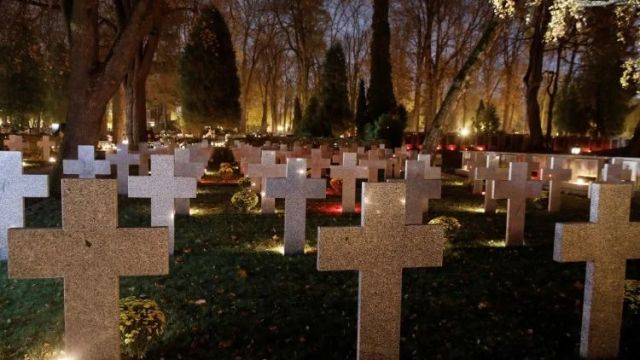
Vatican News Më 2 nëntor, Kisha Katolike përkujton të gjithë besimtarët e vdekur. Është një ditë lutjeje, heshtjeje dhe kujtese, por mbi të gjitha një ditë feje dhe shprese. Përballë varreve të njerëzve tanë të dashur, Kisha nuk na fton vetëm të kujtojmë ata që nuk janë më fizikisht mes nesh, por të shikojmë përtej kufirit të vdekjes, drejt misterit të Ringjalljes së Krishtit, burimit të shpresës sonë. Vdekja mbetet një nga misteret më të thella të ekzistencës njerëzore. Ajo ndërpret praninë fizike, lë pas heshtjen e mungesës dhe shpesh hap plagë që koha nuk arrin t'i mbyllë plotësisht. Ndarja nga njerëzit që duam është një përvojë që prek thellësinë e zemrës sonë. Megjithatë, për të krishterin, vdekja nuk është një mur i pakapërcyeshëm dhe as fjala e fundit mbi fatin e njeriut. Ajo ndriçohet nga misteri i Pashkës: nga vdekja dhe Ngjallja e Jezu Krishtit. Krishti nuk erdhi për ta mohuar dhimbjen njerëzore, por për ta marrë mbi vete; nuk erdhi për të na kursyer nga vdekja tokësore…
What is still uncertain
From Mosaic, not from a publisher
- So far only Vatican News – shqip reports this story on Mosaic, so there is no other coverage to compare it with.
How they headlined it
-
Vatican News – shqip Vatican City · publisher's date
Me 2 nëntor, përkujtimi i të gjithë besimtarëve të vdekur
By Vatican News
Earliest report found by Mosaic
Dita e përkujtimit të të vdekurve, më 2 nëntor, na kujton se Vdekja është një gjë tejet e rëndësishme: se të gjithë, pa dallim e pa përjashtim, jemi kalimtarë në këtë botë, të paracaktuar për lumturinë e amshuar…
Compiled from the outlet's own words · In the story's original language

How we decide
From Mosaic, not from a publisher
An article's time is the date its publisher gives, when that is plausible: not in the future, and not more than 180 minutes before Mosaic found the article. Otherwise it is when Mosaic first saw it. "Earliest report found by Mosaic" is the one with the earliest time; it does not prove that its outlet published first.
An article is marked "Repeats another outlet's text" when its cleaned text is word for word the same as another article's in the story, or nearly the same (the two texts' SimHash fingerprints differ in at most 12 of 64 bits). Both texts must have at least 30 words, and the articles must be within 48 hours of each other. That does not say who took it from whom: it can be a news agency's text or a press release that several outlets published.
It is also marked when at least 50 % of the two texts' three-word sequences are shared (estimated with MinHash), as with a copy whose lead, footer or page elements differ.
Think one of these labels is wrong? Use "Contest this" beside it: staff look at every one.
A vote says whether a story deserves more or less prominence; it does not say whether it is true. If a story is false or misleading, report it instead. For now votes are collected and do not change the order of stories. How votes are used · Report it as false or misleading
Follow developments
This story cannot be followed on its own. Follow its topics and category, and the new stories about them appear under Following.
Other related stories
-
Related story

Society
Më 2 nëntor përkujtohen Afrim Zhitia dhe Fahri Fazliu, kjo është agjenda
-
Related story
Society
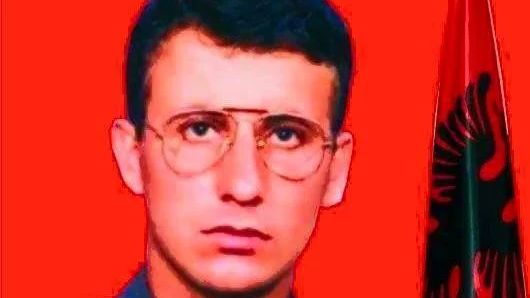
Familja Zhitia sqaron për homazhet në nderim të Afrim Zhitisë: Më 2 nëntor do të mbahen homazhe në Llugë
-
Related story
Society
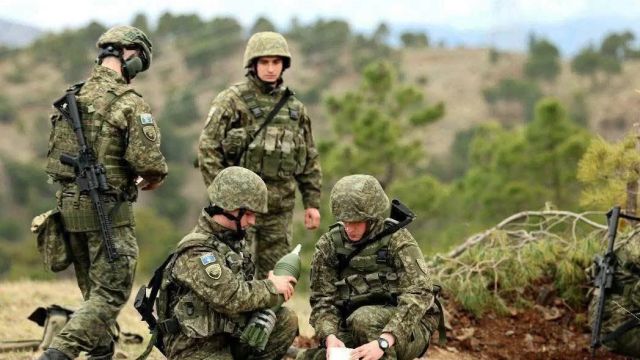
FSK-ja zhvillon ushtrime ushtarake në Koliq dhe Keqekollë, deri më 2 nëntor
-
Related story
Society
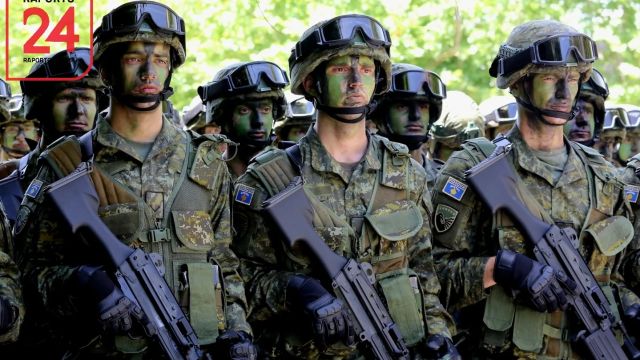
FSK-ja zhvillon ushtrime ushtarake në Koliq dhe Keqekollë, deri më 2 nëntor


Readers’ comments
These are readers’ own words, not the publishers’ and not Mosaic’s. Moderators read them; a comment that breaks the rules is hidden or removed.
No comments yet. Be the first to say something useful.