


Culture and media updated
Klodian Mihaj: Pse sjellja e mirë ndonjëherë nuk mjafton për tërheqjen
Reported by InfoKosova 107 points Why this story ranks here
What happened
Compiled from the sources
Një bisedë e sinqertë nga influenceri Klodian Mihaj ka zbuluar një realitet të papritur për marrëdhëniet romantike, ku sjellja e mirë shpeshherë nuk është mjaftueshëm për të tërhequr partnerët e mundshëm.
In the story's original language
An excerpt from InfoKosova
Një bisedë e sinqertë nga influenceri Klodian Mihaj ka zbuluar një realitet të papritur për marrëdhëniet romantike, ku sjellja e mirë shpeshherë nuk është mjaftueshëm për të tërhequr partnerët e mundshëm. Gjatë një interviste, Klodi ndau një përvojë personale, duke treguar se është refuzuar nga vajzat për shkak të sjelljes së tij tepër të mirë. Ai theksoi se ka marrë komente të tilla si: “Je shumë djalë i sjellshëm për mua”, që e kanë lënë të habitur. Kur u pyet nëse ka hasur në situata të ngjashme, ai u përgjigj afirmativisht, duke shpjeguar se disa vajza preferojnë një mashkull më dominant, duke e parë sjelljen e tij si një pengesë për të krijuar një lidhje të fortë. Klodi, i cili është rritur me parime të forta, beson se një marrëdhënie e shëndetshme duhet të ndërtohet mbi respektin dhe vlerat njerëzore, dhe jo mbi pasurinë ose dhuratat e shtrenjta. Ai gjithashtu komentoi mbi tendencën e disa vajzave për t’u tërhequr nga meshkujt që shfaqin luksin përmes makinave të shtrenjta dhe…
What is still uncertain
From Mosaic, not from a publisher
- So far only InfoKosova reports this story on Mosaic, so there is no other coverage to compare it with.
How they headlined it
-
InfoKosova Kosovo · publisher's date
Klodian Mihaj: Pse sjellja e mirë ndonjëherë nuk mjafton për tërheqjen
By Info Kosova
Earliest report found by Mosaic
Një bisedë e sinqertë nga influenceri Klodian Mihaj ka zbuluar një realitet të papritur për marrëdhëniet romantike, ku sjellja e mirë shpeshherë nuk është mjaftueshëm për të tërhequr partnerët e mundshëm.
Compiled from the outlet's own words · In the story's original language

How we decide
From Mosaic, not from a publisher
An article's time is the date its publisher gives, when that is plausible: not in the future, and not more than 180 minutes before Mosaic found the article. Otherwise it is when Mosaic first saw it. "Earliest report found by Mosaic" is the one with the earliest time; it does not prove that its outlet published first.
An article is marked "Repeats another outlet's text" when its cleaned text is word for word the same as another article's in the story, or nearly the same (the two texts' SimHash fingerprints differ in at most 12 of 64 bits). Both texts must have at least 30 words, and the articles must be within 48 hours of each other. That does not say who took it from whom: it can be a news agency's text or a press release that several outlets published.
It is also marked when at least 50 % of the two texts' three-word sequences are shared (estimated with MinHash), as with a copy whose lead, footer or page elements differ.
Think one of these labels is wrong? Use "Contest this" beside it: staff look at every one.
A vote says whether a story deserves more or less prominence; it does not say whether it is true. If a story is false or misleading, report it instead. For now votes are collected and do not change the order of stories. How votes are used · Report it as false or misleading
Follow developments
This story cannot be followed on its own. Follow its topics and category, and the new stories about them appear under Following.
Other related stories
-
Related story

Culture and media
Pse sjellja e mirë e Klodit e bën atë të papëlqyer për vajzat?
-
Related story
Economy
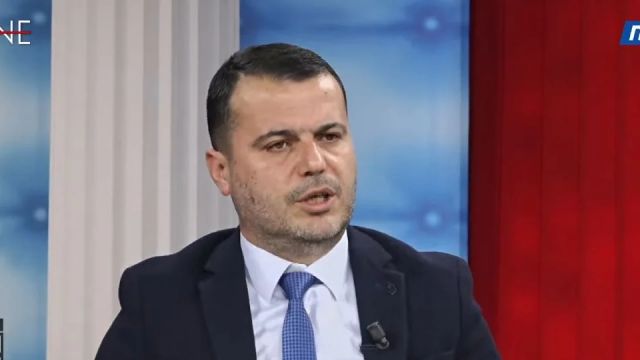
“Propagandë e pastër”/ Klodian Tomorri kritikon paketën fiskale 2027: Rama do të shfaqet si politikan i dhimbsur! Taksat për pishinat dhe influencuesit nuk sjellin të ardhura në buxhet
-
Related story
Society
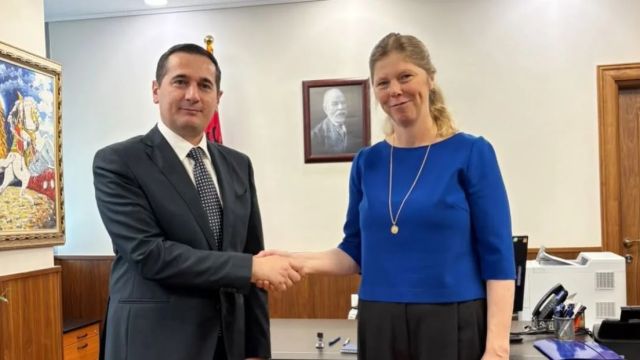
Ambasadorja e Holandës takon kreun e SPAK, Klodian Braho/ Në fokus lufta kundër korrupsionit e krimit të organizuar dhe pavarësia e drejtësisë
-
Related story
Justice and crime
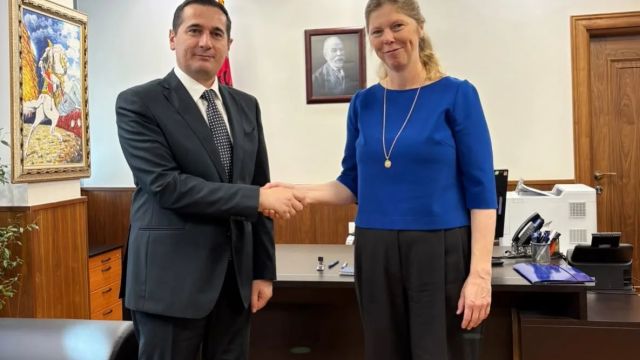
Ambasadorja e Holandës takon kreun e SPAK-ut dhe Prokurorin e Përgjithshëm, në fokus bashkëpunimi në drejtësi


Readers’ comments
These are readers’ own words, not the publishers’ and not Mosaic’s. Moderators read them; a comment that breaks the rules is hidden or removed.
No comments yet. Be the first to say something useful.