

Society updated
AUV ndalon hyrjen e mbi një ton patatinave në Kosovë, zbulohet nivel i lartë i akrilamidit
Reported by albinfo.ch 285 points Why this story ranks here
What happened
Compiled from the sources
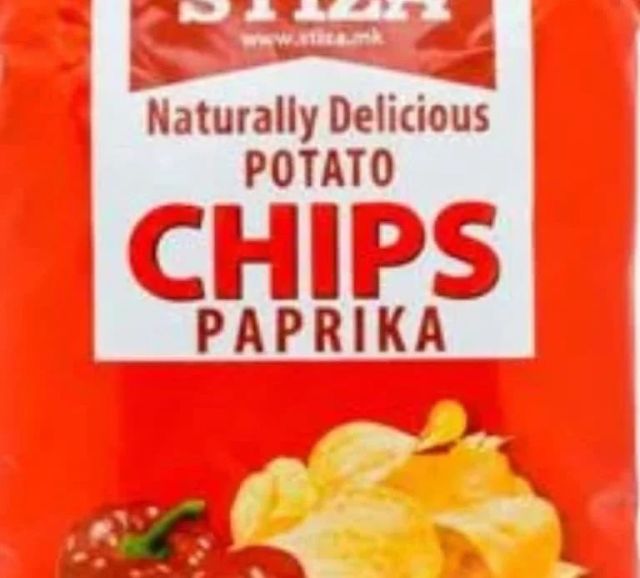
Ngarkesa prej 1,068 kilogramësh patatina "STIZA Paprika" është kthyer pas analizave laboratorike që treguan nivel të akrilamidit mbi vlerat referente.
In the story's original language
An excerpt from albinfo.ch
Agjencia e Ushqimit dhe Veterinarisë (AUV) ka ndaluar hyrjen në Kosovë të 1,068 kilogramëve patatina “STIZA Potato Chips Paprika”, pasi analizat laboratorike kanë treguar nivel të akrilamidit mbi vlerat referente, përcjell albinfo.ch. Sipas njoftimit të AUV-së, ngarkesa me numër identifikues LOT 909073 ishte importuar nga kompania BEST BT SH.P.K. nga Prizreni. Pas rezultateve të analizave laboratorike, të dokumentuara në raportin nr. 4397/2026, Inspektorati Fitosanitar Kufitar ka marrë vendim për ndalimin e hyrjes dhe kthimin e ngarkesës. Me këtë vendim është parandaluar vendosja e produkteve në tregun e Kosovës. Çfarë është akrilamidi? Akrilamidi është një substancë kimike që mund të formohet gjatë përpunimit të ushqimeve të pasura me niseshte në temperatura të larta, veçanërisht gjatë skuqjes dhe pjekjes. Sipas Autoritetit Evropian për Sigurinë Ushqimore (EFSA), ekspozimi afatgjatë ndaj akrilamidit përmes ushqimit përbën shqetësim për shëndetin publik për shkak të…
What is still uncertain
From Mosaic, not from a publisher
- Mosaic is not sure that every article is about the same event; the grouping is waiting for a check.
- So far only albinfo.ch reports this story on Mosaic, so there is no other coverage to compare it with.
How they headlined it
-
albinfo.ch Switzerland · publisher's date
AUV ndalon hyrjen e mbi një ton patatinave në Kosovë, zbulohet nivel i lartë i akrilamidit
By Albinfo.ch
Earliest report found by Mosaic
Ngarkesa prej 1,068 kilogramësh patatina "STIZA Paprika" është kthyer pas analizave laboratorike që treguan nivel të akrilamidit mbi vlerat referente.
Compiled from the outlet's own words · In the story's original language

How we decide
From Mosaic, not from a publisher
An article's time is the date its publisher gives, when that is plausible: not in the future, and not more than 180 minutes before Mosaic found the article. Otherwise it is when Mosaic first saw it. "Earliest report found by Mosaic" is the one with the earliest time; it does not prove that its outlet published first.
An article is marked "Repeats another outlet's text" when its cleaned text is word for word the same as another article's in the story, or nearly the same (the two texts' SimHash fingerprints differ in at most 12 of 64 bits). Both texts must have at least 30 words, and the articles must be within 48 hours of each other. That does not say who took it from whom: it can be a news agency's text or a press release that several outlets published.
It is also marked when at least 50 % of the two texts' three-word sequences are shared (estimated with MinHash), as with a copy whose lead, footer or page elements differ.
Think one of these labels is wrong? Use "Contest this" beside it: staff look at every one.
A vote says whether a story deserves more or less prominence; it does not say whether it is true. If a story is false or misleading, report it instead. For now votes are collected and do not change the order of stories. How votes are used · Report it as false or misleading
Follow developments
This story cannot be followed on its own. Follow its topics and category, and the new stories about them appear under Following.
Other related stories
-
Related story
Society
AUV ndalon hyrjen e 1,068 kg patatinave STIZA Paprika për shkak të nivelit të lartë të akrilamidit
-
Related story

Society
E tmerrshme: AUV asgjëson edhe mbi 21 tonë produkte mishi, pas dyshimeve për myk
-
Related story
Society
AUV ndalon mbi 25 tonë misër dhe ushqimin për viça, konstaton aflatoksina mbi kufijtë e lejuar
-
Related story

Society
AUV ndalon mbi 25 tonë misër në kufi, zbulohen aflatoksina mbi nivelin e lejuar


Readers’ comments
These are readers’ own words, not the publishers’ and not Mosaic’s. Moderators read them; a comment that breaks the rules is hidden or removed.
No comments yet. Be the first to say something useful.