

Society updated
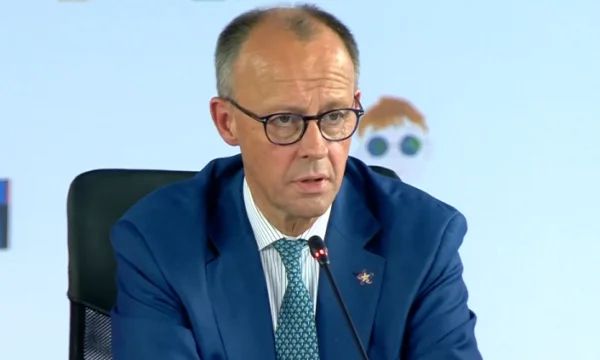
Merz: Inteligjenca artificiale duhet të zhvillohet mbi bazën e vlerave njerëzore
What happened
Compiled from the sources
Kancelari gjerman, Friedrich Merz, ka theksuar nevojën që zhvillimi i inteligjencës artificiale (IA) të mbështetet në parimet dhe vlerat njerëzore, duke nënvizuar se dinjiteti i njeriut duhet të jetë gjithmonë në qendër të vendimmarrjes politike përballë avancimit të teknologjisë.
In the story's original language
An excerpt from albinfo.ch
Kancelari gjerman, Friedrich Merz, ka theksuar nevojën që zhvillimi i inteligjencës artificiale (IA) të mbështetet në parimet dhe vlerat njerëzore, duke nënvizuar se dinjiteti i njeriut duhet të jetë gjithmonë në qendër të vendimmarrjes politike përballë avancimit të teknologjisë. Gjatë pjesëmarrjes në Samitin Digjital të qeverisë gjermane, të mbajtur në Berlin, Merz deklaroi se përparimi teknologjik duhet të vihet në funksion të shoqërisë dhe të kontribuojë në mirëqenien e saj. Kreu i qeverisë gjermane pranoi se institucionet publike jo gjithmonë arrijnë të përshtaten me të njëjtin ritëm me zhvillimet teknologjike. Megjithatë, sipas tij, kjo nuk duhet të shihet si mungesë e kapacitetit për të reaguar, por si një proces ku vendimet merren duke marrë parasysh interesin e qytetarëve dhe parimet themelore shoqërore. Duke iu referuar motos së samitit, “Formësimi i inteligjencës artificiale: e sigurt, sovrane dhe konkurruese”, Merz vuri në dukje rëndësinë e rritjes së pavarësisë digjitale…
What is still uncertain
From Mosaic, not from a publisher
- So far only albinfo.ch reports this story on Mosaic, so there is no other coverage to compare it with.
How they headlined it
-
albinfo.ch Switzerland · publisher's date
Merz: Inteligjenca artificiale duhet të zhvillohet mbi bazën e vlerave njerëzore
By Alb
Earliest report found by Mosaic
Kancelari gjerman, Friedrich Merz, ka theksuar nevojën që zhvillimi i inteligjencës artificiale (IA) të mbështetet në parimet dhe vlerat njerëzore, duke nënvizuar se dinjiteti i njeriut duhet të jetë gjithmonë në qendër të vendimmarrjes politike përballë avancimit të teknologjisë.
Compiled from the outlet's own words · In the story's original language

How we decide
From Mosaic, not from a publisher
An article's time is the date its publisher gives, when that is plausible: not in the future, and not more than 180 minutes before Mosaic found the article. Otherwise it is when Mosaic first saw it. "Earliest report found by Mosaic" is the one with the earliest time; it does not prove that its outlet published first.
An article is marked "Repeats another outlet's text" when its cleaned text is word for word the same as another article's in the story, or nearly the same (the two texts' SimHash fingerprints differ in at most 12 of 64 bits). Both texts must have at least 30 words, and the articles must be within 48 hours of each other. That does not say who took it from whom: it can be a news agency's text or a press release that several outlets published.
It is also marked when at least 50 % of the two texts' three-word sequences are shared (estimated with MinHash), as with a copy whose lead, footer or page elements differ.
Think one of these labels is wrong? Use "Contest this" beside it: staff look at every one.
A vote says whether a story deserves more or less prominence; it does not say whether it is true. If a story is false or misleading, report it instead. For now votes are collected and do not change the order of stories. How votes are used · Report it as false or misleading
Follow developments
This story cannot be followed on its own. Follow its topics and category, and the new stories about them appear under Following.
Other related stories
-
Related story

Society
Merz: Gjermania duhet të ruajë sovranitetin e saj dixhital në epokën e inteligjencës artificiale
-
Related story

Society
Merz: Zhvillimi i inteligjencës artificiale të udhëhiqet vazhdimisht nga vlerat njerëzore
-
Related story
Society
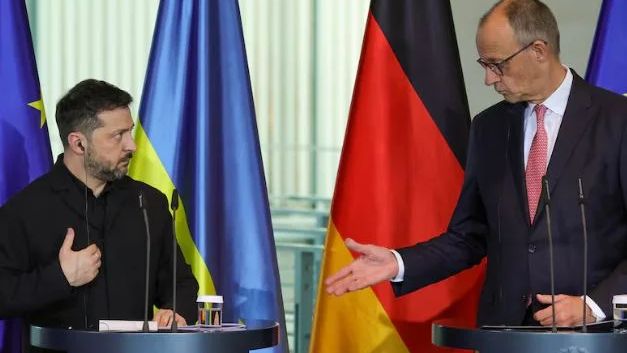
Merz: Rusia duhet të tregojë se është serioze për armëpushimin gjatë bisedimeve në Abu Dhabi
-
Related story

Society
Merz: Presidenti i ardhshëm i vendit duhet të jetë një grua


Readers’ comments
These are readers’ own words, not the publishers’ and not Mosaic’s. Moderators read them; a comment that breaks the rules is hidden or removed.
No comments yet. Be the first to say something useful.