

Society updated
Katër kandidatë me origjinë shqiptare në garë në zgjedhjet e 3 nëntorit në SHBA
Reported by albinfo.ch 242 points Why this story ranks here
What happened
Compiled from the sources
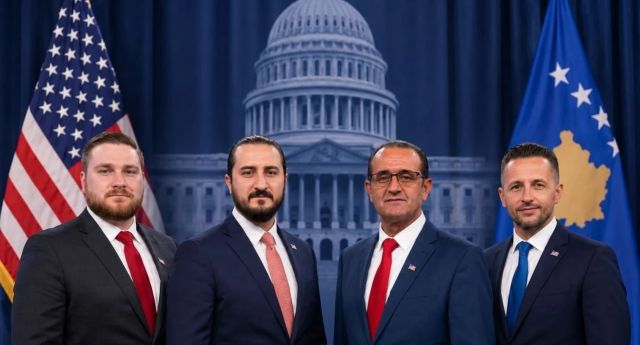
Diamant Hysenaj, Peter Lumaj, Shpëtim (Tim) Qorraj dhe Joe Hoxha synojnë poste në institucionet përfaqësuese amerikane, duke përfaqësuar të dyja partitë kryesore politike në zgjedhjet e mesmandatit të vitit 2026.
In the story's original language
An excerpt from albinfo.ch
Katër kandidatë me origjinë shqiptare janë pjesë e garës politike në Shtetet e Bashkuara të Amerikës, në kuadër të zgjedhjeve të mesmandatit (Midterm Elections), që mbahen më 3 nëntor 2026, transmeton albinfo.ch. Diamant Hysenaj, Peter Lumaj, Shpëtim (Tim) Qorraj dhe Joe Hoxha synojnë të fitojnë ose të ruajnë pozita në institucionet përfaqësuese amerikane, duke garuar për poste të ndryshme në nivel federal dhe shtetëror. Kandidatët kanë prejardhje dhe rrugëtime të ndryshme jetësore. Dy prej tyre kanë lindur në Kosovë dhe dy në Shqipëri, ndërsa në garë përfaqësojnë Partinë Republikane dhe Partinë Demokratike. Diamant Hysenaj garon për Kongresin amerikan Nju-Jork– Distrikti i 14-të | Partia Republikane I lindur në Kosovë, Diamant Hysenaj kandidon për Dhomën e Përfaqësuesve të Kongresit amerikan në Distriktin e 14-të të New York-ut. Ai synon të sfidojë kongresisten demokrate Alexandria Ocasio-Cortez, e cila përfaqëson këtë distrikt që nga viti 2019. Hysenaj emigroi në SHBA në moshën…
What is still uncertain
From Mosaic, not from a publisher
- So far only albinfo.ch reports this story on Mosaic, so there is no other coverage to compare it with.
How they headlined it
-
albinfo.ch Switzerland · when Mosaic first saw it
Katër kandidatë me origjinë shqiptare në garë në zgjedhjet e 3 nëntorit në SHBA
By Drin Reçica
Earliest report found by Mosaic
Diamant Hysenaj, Peter Lumaj, Shpëtim (Tim) Qorraj dhe Joe Hoxha synojnë poste në institucionet përfaqësuese amerikane, duke përfaqësuar të dyja partitë kryesore politike në zgjedhjet e mesmandatit të vitit 2026.
Compiled from the outlet's own words · In the story's original language
Publisher's date:

How we decide
From Mosaic, not from a publisher
An article's time is the date its publisher gives, when that is plausible: not in the future, and not more than 180 minutes before Mosaic found the article. Otherwise it is when Mosaic first saw it. "Earliest report found by Mosaic" is the one with the earliest time; it does not prove that its outlet published first.
An article is marked "Repeats another outlet's text" when its cleaned text is word for word the same as another article's in the story, or nearly the same (the two texts' SimHash fingerprints differ in at most 12 of 64 bits). Both texts must have at least 30 words, and the articles must be within 48 hours of each other. That does not say who took it from whom: it can be a news agency's text or a press release that several outlets published.
It is also marked when at least 50 % of the two texts' three-word sequences are shared (estimated with MinHash), as with a copy whose lead, footer or page elements differ.
Think one of these labels is wrong? Use "Contest this" beside it: staff look at every one.
A vote says whether a story deserves more or less prominence; it does not say whether it is true. If a story is false or misleading, report it instead. For now votes are collected and do not change the order of stories. How votes are used · Report it as false or misleading
Follow developments
This story cannot be followed on its own. Follow its topics and category, and the new stories about them appear under Following.
Other related stories
-
Related story

Society
Katër luftanije të NATO-s mbërrijnë në Vlorë, stërvitje të përbashkëta me Forcën Detare Shqiptare
-
Related story
Society
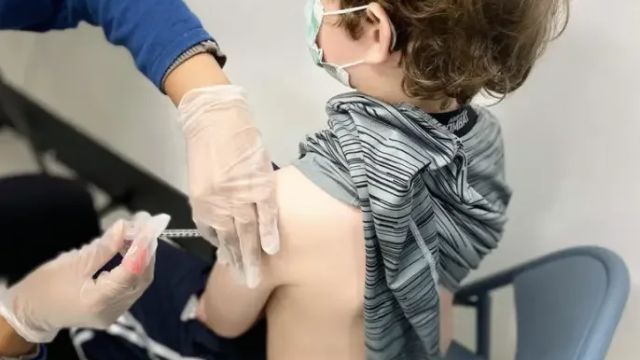
Katër raste të konfirmuara me fruth në Maqedoninë e Veriut, ministri Klekovski apelon për vaksinim me MRP
-
Related story
Society
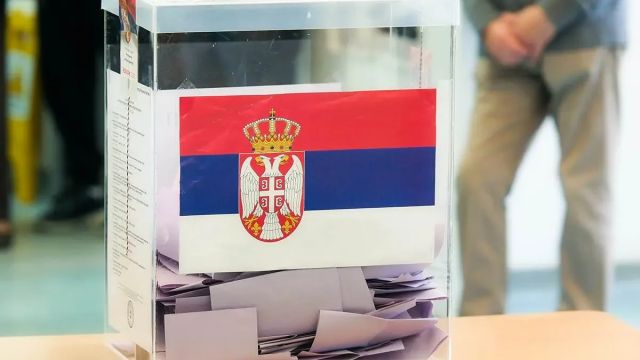
Katër të arrestuar në Novi Sad për blerje votash: 6.000 dinarë për një votë për listën e Vuçiçit, tre e pranojnë fajësinë
-
Related story
Society
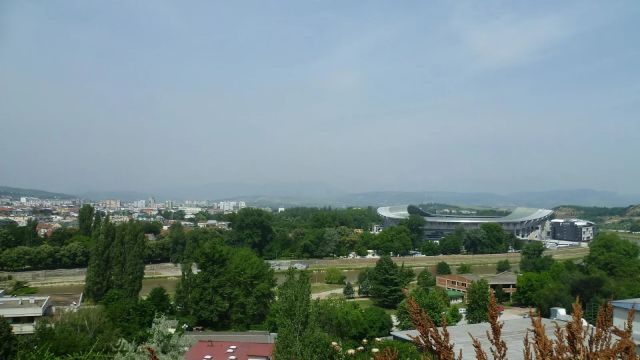
Katër persona arrestohen pas përleshjes pas ndeshjes Shkëndija e Haraçinës – Tikvesh në Çair


Readers’ comments
These are readers’ own words, not the publishers’ and not Mosaic’s. Moderators read them; a comment that breaks the rules is hidden or removed.
No comments yet. Be the first to say something useful.