


Society updated
Ndodh dhe kjo! Vodhi orën luksoze 260 mijë euro në Tokio, por e ktheu me postë bashkë me një letër faljeje
What happened
Compiled from the sources
Ndodh dhe kjo! Vodhi orën luksoze 260 mijë euro në Tokio, por e ktheu me postë bashkë me një letër faljeje
In the story's original language
An excerpt from BalkanWeb
Një ngjarje e pazakontë ka ndodhur në Tokio të Japonisë, ku një orë luksoze zvicerane, me vlerë mbi 260 mijë euro, e vjedhur nga një dyqan javën e kaluar, është kthyer në mënyrë misterioze së bashku me një letër kërkimfaljeje. Vjedhja ndodhi në lagjen Nakano, ku një burrë u paraqit në dyqan si klient dhe kërkoi të provonte një orë të markës Audemars Piguet, me vlerë 46 milionë jen. Pasi e vendosi në kyçin e dorës, ai u largua nga dyqani pa e kthyer atë. Por ngjarja mori një kthesë të papritur më 1 nëntor, kur dyqani mori një pako që përmbante pikërisht orën e vjedhur, së bashku me një letër të shkruar me dorë, ku kërkohej falje për veprimin. Sipas mediave japoneze, numri serial i orës konfirmoi se bëhej fjalë për të njëjtin aksesor të raportuar të vjedhur. Megjithatë, identiteti i personit që e ktheu atë mbetet i panjohur. Policia e Tokios vijon kërkimet për të dyshuarin, ndërsa dyqani nuk ka pranuar të komentojë ngjarjen. Ky nuk është…
What is still uncertain
From Mosaic, not from a publisher
- So far only BalkanWeb reports this story on Mosaic, so there is no other coverage to compare it with.
How they headlined it
-
BalkanWeb Albania · when Mosaic first saw it
Ndodh dhe kjo! Vodhi orën luksoze 260 mijë euro në Tokio, por e ktheu me postë bashkë me një letër faljeje
Earliest report found by Mosaic
Ndodh dhe kjo! Vodhi orën luksoze 260 mijë euro në Tokio, por e ktheu me postë bashkë me një letër faljeje
Compiled from the outlet's own words · In the story's original language

How we decide
From Mosaic, not from a publisher
An article's time is the date its publisher gives, when that is plausible: not in the future, and not more than 180 minutes before Mosaic found the article. Otherwise it is when Mosaic first saw it. "Earliest report found by Mosaic" is the one with the earliest time; it does not prove that its outlet published first.
An article is marked "Repeats another outlet's text" when its cleaned text is word for word the same as another article's in the story, or nearly the same (the two texts' SimHash fingerprints differ in at most 12 of 64 bits). Both texts must have at least 30 words, and the articles must be within 48 hours of each other. That does not say who took it from whom: it can be a news agency's text or a press release that several outlets published.
It is also marked when at least 50 % of the two texts' three-word sequences are shared (estimated with MinHash), as with a copy whose lead, footer or page elements differ.
A story leads with the eligible report with the highest current score, when every eligible report has one. Otherwise it leads with the earliest report found by Mosaic, which says nothing about its quality. Reports repeating another outlet's text and paid or organisation-issued articles are left out of the comparison.
Think one of these labels is wrong? Use "Contest this" beside it: staff look at every one.
A vote says whether a story deserves more or less prominence; it does not say whether it is true. If a story is false or misleading, report it instead. For now votes are collected and do not change the order of stories. How votes are used · Report it as false or misleading
Follow developments
This story cannot be followed on its own. Follow its topics and category, and the new stories about them appear under Following.
Other related stories
-
Related story

Politics
“Nëse kjo i ndodh kryetarit të Bashkisë, ç’mund t’i ndodhë qytetarit të zakonshëm?”, Ermelinda Meksi: Gogu të sqarojë rrethanat dhe ligjshmërinë e vizitës
-
Related story

Politics
Ultimatumi i Ramës për Veliajn në burg: Dorëzo mandatin ose në SPAK
-
Related story
Health
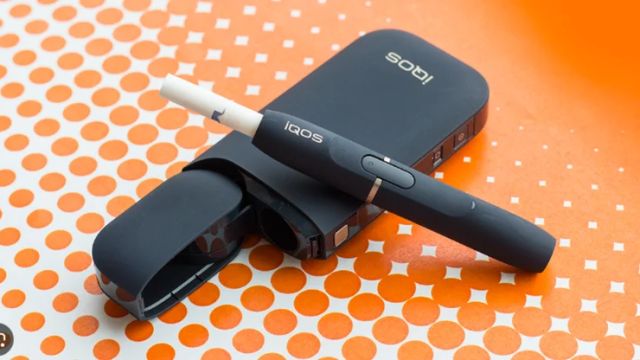
Përdorimi i 1 cigareje elektronike, ja çfarë i ndodh trupit, nga rritja e pulsit tek…
-
Related story

Science and technology
DoorDash pranon se agjentët e inteligjencës artificiale kanë bërë vetëm disa qindra porosi gjithsej


Readers’ comments
These are readers’ own words, not the publishers’ and not Mosaic’s. Moderators read them; a comment that breaks the rules is hidden or removed.
No comments yet. Be the first to say something useful.