

Society updated
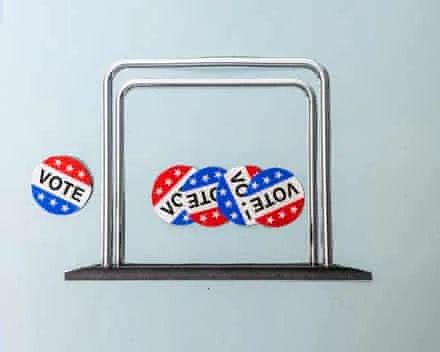
Zgjedhjet afatmesme 2026: Si numërohen votat dhe kur do të mësojmë rezultatet?
Reported by Gazeta Koha Jone 247 points Why this story ranks here
What happened
Compiled from the sources
Menaxhimi i zgjedhjeve bëhet në nivel lokal në të gjithë SHBA-në, duke ndryshuar nga shteti në shtet. Ndonjëherë, fituesi bëhet i qartë menjëherë, por në gara të ngushta, shpallja e…
In the story's original language
An excerpt from Gazeta Koha Jone
Nuk ka një përgjigje të thjeshtë se kur votuesit amerikanë do të mësojnë rezultatet e zgjedhjeve afatmesme. Menaxhimi i zgjedhjeve bëhet në nivel lokal në të gjithë SHBA-në, duke ndryshuar nga shteti në shtet. Ndonjëherë, fituesi bëhet i qartë menjëherë, por në gara të ngushta, shpallja e rezultateve mund të zgjasë me orë, ditë apo edhe javë. Këtë vit, të 435 anëtarët e Dhomës së Përfaqësuesve, 33 vende në Senat, dhe zyrat e guvernatorëve të 36 shteteve janë në garë, së bashku me gara të tjera shtetërore dhe lokale. Vonesa midis votimit dhe rezultateve mund të krijojë një vakum informacioni, të cilin aktorët partiakë mund ta shfrytëzojnë për të përhapur gënjeshtra rreth zgjedhjeve të vjedhura. Donald Trump, i cili ka mohuar rezultatet e humbjes së tij në vitin 2020, ka tentuar të ushtrojë kontroll federal mbi zgjedhjet, por gjykatat e kanë refuzuar. Zyrtarët zgjedhorë janë në gatishmëri për ndërhyrje të mundshme këtë vit. Reklamo në Koha Jonë Reklamo në Koha Jonë Votuesit amerikanë…
What is still uncertain
From Mosaic, not from a publisher
- So far only Gazeta Koha Jone reports this story on Mosaic, so there is no other coverage to compare it with.
How they headlined it
-
Gazeta Koha Jone Albania · publisher's date
Zgjedhjet afatmesme 2026: Si numërohen votat dhe kur do të mësojmë rezultatet?
By Nik
Earliest report found by Mosaic
Menaxhimi i zgjedhjeve bëhet në nivel lokal në të gjithë SHBA-në, duke ndryshuar nga shteti në shtet. Ndonjëherë, fituesi bëhet i qartë menjëherë, por në gara të ngushta, shpallja e…
Compiled from the outlet's own words · In the story's original language

How we decide
From Mosaic, not from a publisher
An article's time is the date its publisher gives, when that is plausible: not in the future, and not more than 180 minutes before Mosaic found the article. Otherwise it is when Mosaic first saw it. "Earliest report found by Mosaic" is the one with the earliest time; it does not prove that its outlet published first.
An article is marked "Repeats another outlet's text" when its cleaned text is word for word the same as another article's in the story, or nearly the same (the two texts' SimHash fingerprints differ in at most 12 of 64 bits). Both texts must have at least 30 words, and the articles must be within 48 hours of each other. That does not say who took it from whom: it can be a news agency's text or a press release that several outlets published.
It is also marked when at least 50 % of the two texts' three-word sequences are shared (estimated with MinHash), as with a copy whose lead, footer or page elements differ.
Think one of these labels is wrong? Use "Contest this" beside it: staff look at every one.
A vote says whether a story deserves more or less prominence; it does not say whether it is true. If a story is false or misleading, report it instead. For now votes are collected and do not change the order of stories. How votes are used · Report it as false or misleading
Follow developments
This story cannot be followed on its own. Follow its topics and category, and the new stories about them appear under Following.
Other related stories
-
Related story

Society
Pse zgjedhjet afatmesme amerikane janë vendimtare për të ardhmen e vendit?
-
Related story

Society
Për herë të parë në histori, Papa Leo XIV votoi në zgjedhjet amerikane
-
Related story
Society
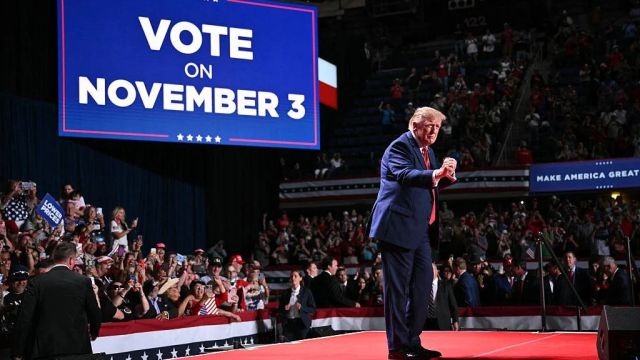
SHBA drejt zgjedhjeve të mesmandatit: Trump në ofensivë, demokratët synojnë të rimarrin Kongresin
-
Related story

Society
Çfarë mund të bëjnë realisht Demokratët nëse fitojnë Kongresin?


Readers’ comments
These are readers’ own words, not the publishers’ and not Mosaic’s. Moderators read them; a comment that breaks the rules is hidden or removed.
No comments yet. Be the first to say something useful.