

Society updated
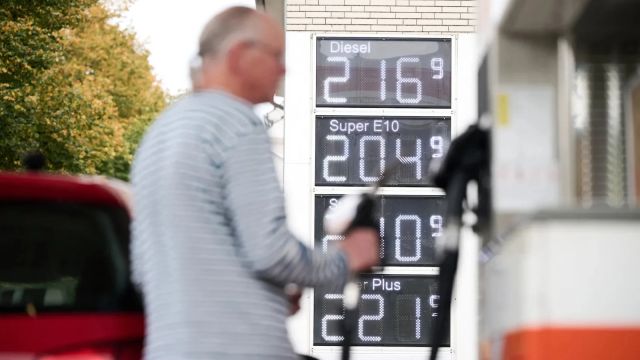
Gjermania planifikon kufizimin e çmimeve të naftës dhe benzinës nga janari 2027
Reported by Urgjent 250 points Why this story ranks here
What happened
Compiled from the sources
Qeveria gjermane po përgatit një ligj të ri që do t'i mundësonte vendosjen e çmimeve maksimale për naftën dhe benzinën në pikat e karburantit, me synimin që mekanizmi të jetë në dispozicion nga fillimi i vitit 2027.
In the story's original language
An excerpt from Urgjent
Ministria Federale e Ekonomisë dhe Energjisë ka përgatitur projektligjin e parë për kufizimin e çmimeve të karburanteve, i cili është bërë publik më 2 nëntor 2026. Megjithatë, sipas propozimit aktual, kufizimi nuk do të zbatohej automatikisht nga 1 janari, por vetëm në raste të jashtëzakonshme, kur çmimet e karburanteve në Gjermani rriten dukshëm më shpejt sesa në vendet e tjera të Bashkimit Evropian. Si do të funksionojë kufizimi i çmimeve? Sipas projektligjit të Ministrisë së Ekonomisë, Qeveria do të mund të vendoste çmim maksimal për naftën dhe benzinën nëse, për tri javë radhazi, rritja javore e çmimeve në Gjermani tejkalon për më shumë se pesë pikë përqindjeje rritjen mesatare në vendet e tjera të BE-së. Për këtë vlerësim do të përdoren të dhënat zyrtare të Komisionit Evropian. Nëse plotësohen kushtet, autoritetet gjermane do të mund të caktonin një çmim maksimal, mbi të cilin pikat e karburantit nuk do të lejoheshin të shisnin naftë apo benzinë. Masa është paraparë të zbatohet…
What is still uncertain
From Mosaic, not from a publisher
- So far only Urgjent reports this story on Mosaic, so there is no other coverage to compare it with.
How they headlined it
-
Urgjent Kosovo · publisher's date
Gjermania planifikon kufizimin e çmimeve të naftës dhe benzinës nga janari 2027
By Urgjent Inc
Earliest report found by Mosaic
Qeveria gjermane po përgatit një ligj të ri që do t'i mundësonte vendosjen e çmimeve maksimale për naftën dhe benzinën në pikat e karburantit, me synimin që mekanizmi të jetë në dispozicion nga fillimi i vitit 2027.
Compiled from the outlet's own words · In the story's original language

How we decide
From Mosaic, not from a publisher
An article's time is the date its publisher gives, when that is plausible: not in the future, and not more than 180 minutes before Mosaic found the article. Otherwise it is when Mosaic first saw it. "Earliest report found by Mosaic" is the one with the earliest time; it does not prove that its outlet published first.
An article is marked "Repeats another outlet's text" when its cleaned text is word for word the same as another article's in the story, or nearly the same (the two texts' SimHash fingerprints differ in at most 12 of 64 bits). Both texts must have at least 30 words, and the articles must be within 48 hours of each other. That does not say who took it from whom: it can be a news agency's text or a press release that several outlets published.
It is also marked when at least 50 % of the two texts' three-word sequences are shared (estimated with MinHash), as with a copy whose lead, footer or page elements differ.
Think one of these labels is wrong? Use "Contest this" beside it: staff look at every one.
A vote says whether a story deserves more or less prominence; it does not say whether it is true. If a story is false or misleading, report it instead. For now votes are collected and do not change the order of stories. How votes are used · Report it as false or misleading
Follow developments
This story cannot be followed on its own. Follow its topics and category, and the new stories about them appear under Following.
Other related stories
-
Related story

Society
Dyshohet se planifikonin sulm terrorist në Gjermani, në mesin e të dyshuarve edhe një kosovar 19-vjeçar
-
Related story

Society
Dyshohet se po përgatisnin sulm terrorist, një kosovar në mesin e grupit që po e hetojnë autoritetet gjermane
-
Related story

Society
Gjermania lehtëson njohjen e diplomave shëndetësore, përfitojnë edhe profesionistët nga Kosova
-
Related story
Culture and media
Sa pranë krijimit të bombës atomike ishte Gjermania naziste?


Readers’ comments
These are readers’ own words, not the publishers’ and not Mosaic’s. Moderators read them; a comment that breaks the rules is hidden or removed.
No comments yet. Be the first to say something useful.