

Society updated
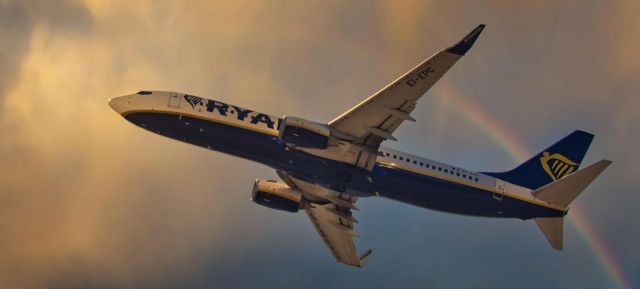
Biletat e avionëve pritet të shtrenjtohen ndjeshëm gjatë vitit 2027
Reported by albinfo.ch How this story’s score was calculated
What happened
Compiled from the sources
Kjo situatë pritet të ndikojë drejtpërdrejt edhe te udhëtarët që fluturojnë nga aeroporti i Gjenevës, të cilët mund të përballen me shpenzime më të larta për udhëtimet e tyre gjatë vitit 2027
In the story's original language
An excerpt from albinfo.ch
Udhëtarët nga Zvicra pritet të përballen me çmime dukshëm më të larta të biletave të avionëve gjatë vitit të ardhshëm, pasi kompania ajrore Ryanair ka paralajmëruar rritje dyshifrore të tarifave në të gjithë Evropën. Drejtori ekzekutiv i Ryanair, Michael O’Leary, ka paralajmëruar se çmimet e biletave të fluturimeve do të rriten ndjeshëm gjatë vitit 2027, kryesisht për shkak të shtrenjtimit të karburantit të avionëve. Sipas tij, rritja e kostove të karburantit lidhet me konfliktin ndërmjet Shteteve të Bashkuara të Amerikës dhe Iranit, ndërsa çmimet pritet të mbeten të larta edhe gjatë vitit të ardhshëm. Një faktor tjetër që mund të ndikojë në shtrenjtimin e biletave është fakti se Ryanair ka siguruar paraprakisht çmimin e karburantit për vetëm një të katërtën e nevojave të saj për vitin 2027. Kjo do të thotë se kompania do të jetë më e ekspozuar ndaj luhatjeve dhe çmimeve aktuale të tregut. Analistët e industrisë së aviacionit parashikojnë se rritja e çmimeve nuk do të kufizohet vetëm…
What is still uncertain
From Mosaic, not from a publisher
- So far only albinfo.ch reports this story on Mosaic, so there is no other coverage to compare it with.
How they headlined it
-
albinfo.ch Switzerland · publisher's date
Biletat e avionëve pritet të shtrenjtohen ndjeshëm gjatë vitit 2027
By Br
Earliest report found by Mosaic
Kjo situatë pritet të ndikojë drejtpërdrejt edhe te udhëtarët që fluturojnë nga aeroporti i Gjenevës, të cilët mund të përballen me shpenzime më të larta për udhëtimet e tyre gjatë vitit 2027
Compiled from the outlet's own words · In the story's original language

How we decide
From Mosaic, not from a publisher
An article's time is the date its publisher gives, when that is plausible: not in the future, and not more than 180 minutes before Mosaic found the article. Otherwise it is when Mosaic first saw it. "Earliest report found by Mosaic" is the one with the earliest time; it does not prove that its outlet published first.
An article is marked "Repeats another outlet's text" when its cleaned text is word for word the same as another article's in the story, or nearly the same (the two texts' SimHash fingerprints differ in at most 12 of 64 bits). Both texts must have at least 30 words, and the articles must be within 48 hours of each other. That does not say who took it from whom: it can be a news agency's text or a press release that several outlets published.
It is also marked when at least 50 % of the two texts' three-word sequences are shared (estimated with MinHash), as with a copy whose lead, footer or page elements differ.
A story leads with the eligible report with the highest current score, when every eligible report has one. Otherwise it leads with the earliest report found by Mosaic, which says nothing about its quality. Reports repeating another outlet's text and paid or organisation-issued articles are left out of the comparison.
Think one of these labels is wrong? Use "Contest this" beside it: staff look at every one.
A vote says whether a story deserves more or less prominence; it does not say whether it is true. If a story is false or misleading, report it instead. For now votes are collected and do not change the order of stories. How votes are used · Report it as false or misleading
Follow developments
This story cannot be followed on its own. Follow its topics and category, and the new stories about them appear under Following.
Other related stories
-
Related story

Society
Biletat e avionit mund të shtrenjtohen deri në 20% në vitin 2027
-
Related story

Society
WWE dhe Disney zgjerojnë partneritetin: Worlds Collide me temë “Avengers: Doomsday” më 15 dhjetor në Orlando
-
Related story

Sport
Gjesti prekës i klubit spanjoll, dhuron të gjitha të ardhurat nga biletat për familjen e Jesus de Miguel
-
Related story

Society
Kaitlyn Chen dhe Veronica Burton takojnë tifozët të enjten, biletat për autografe shiten të gjitha


Readers’ comments
These are readers’ own words, not the publishers’ and not Mosaic’s. Moderators read them; a comment that breaks the rules is hidden or removed.
No comments yet. Be the first to say something useful.