


Society updated
Thoni gjithmonë “po” dhe lodheni për të gjithë? Ja çfarë ndodh me trupin tuaj dhe ndikimi që ka në shëndet
Reported by Vizion Plus 242 points Why this story ranks here
What happened
Compiled from the sources
Një "people pleaser" është dikush që përpiqet vazhdimisht t'i kënaqë të tjerët dhe ka një dëshirë ose nevojë të tepruar për t'i bërë të tjerët të ndihen…
In the story's original language
An excerpt from Vizion Plus
Sociale Thoni gjithmonë “po” dhe lodheni për të gjithë? Ja çfarë ndodh me trupin tuaj dhe ndikimi që ka në shëndet Elisjeda KikoPublikuar 3 Nëntor 17:44 · 3 min lexim Një “people pleaser” është dikush që përpiqet vazhdimisht t’i kënaqë të tjerët dhe ka një dëshirë ose nevojë të tepruar për t’i bërë të tjerët të ndihen të lumtur, shpesh duke sakrifikuar kohën, energjinë, ndjenjat apo nevojat e veta. Por si ndikon “po”-ja e vazhdueshme në jetën tonë shëndetësore? “Ne themi po se duam të bëhemi pjesë e një shoqërie dhe jemi më të vlefshëm. Ne duhet të ndajmë imazhin tonë në shoqëri me pjesën se a jam unë e lumtur me pjesën ku them po. Kjo ndikon në gjendjen tonë emocionale,m mund të jap edhe depresion. Stresi na shkarkohet në muskul dhe ngarkesa emocionale çlirohet gjithmonë në trup”, tha Kelima Alijaj, eksperte e shëndetit fizik dhe mendor në “Takohemi n’Vizion”. Akademikja Dhurata Lamçja u shpreh se jeta e ka mësuar të thotë edhe “jo”, fjalë e cila përjashtohet vetëm për familjarët e…
What is still uncertain
From Mosaic, not from a publisher
- So far only Vizion Plus reports this story on Mosaic, so there is no other coverage to compare it with.
How they headlined it
-
Vizion Plus Albania · publisher's date
Thoni gjithmonë “po” dhe lodheni për të gjithë? Ja çfarë ndodh me trupin tuaj dhe ndikimi që ka në shëndet
Earliest report found by Mosaic
Një "people pleaser" është dikush që përpiqet vazhdimisht t'i kënaqë të tjerët dhe ka një dëshirë ose nevojë të tepruar për t'i bërë të tjerët të ndihen…
Compiled from the outlet's own words · In the story's original language

How we decide
From Mosaic, not from a publisher
An article's time is the date its publisher gives, when that is plausible: not in the future, and not more than 180 minutes before Mosaic found the article. Otherwise it is when Mosaic first saw it. "Earliest report found by Mosaic" is the one with the earliest time; it does not prove that its outlet published first.
An article is marked "Repeats another outlet's text" when its cleaned text is word for word the same as another article's in the story, or nearly the same (the two texts' SimHash fingerprints differ in at most 12 of 64 bits). Both texts must have at least 30 words, and the articles must be within 48 hours of each other. That does not say who took it from whom: it can be a news agency's text or a press release that several outlets published.
It is also marked when at least 50 % of the two texts' three-word sequences are shared (estimated with MinHash), as with a copy whose lead, footer or page elements differ.
Think one of these labels is wrong? Use "Contest this" beside it: staff look at every one.
A vote says whether a story deserves more or less prominence; it does not say whether it is true. If a story is false or misleading, report it instead. For now votes are collected and do not change the order of stories. How votes are used · Report it as false or misleading
Follow developments
This story cannot be followed on its own. Follow its topics and category, and the new stories about them appear under Following.
Other related stories
-
Related story

Society
Toni Gogu pranon takimin me Veliajn në burgun e Fierit: Nuk i kam përcjellë asnjë mesazh nga Rama
-
Related story

Society
“Toni Gogu si korrier, Balluku në revansh”, Erl Murati: Ka shpërthyer kriza, Rama kërkon të “heqë qafe” Veliajn, po e kërcënon në burg sepse…
-
Related story

Politics
‘Episodi me Toni Gogun vërteton gjithë punët e pista të Edi Ramës’/ Këlliçi: Kryeministri po zbulon fytyrën e tij të vërtetë
-
Related story
Society
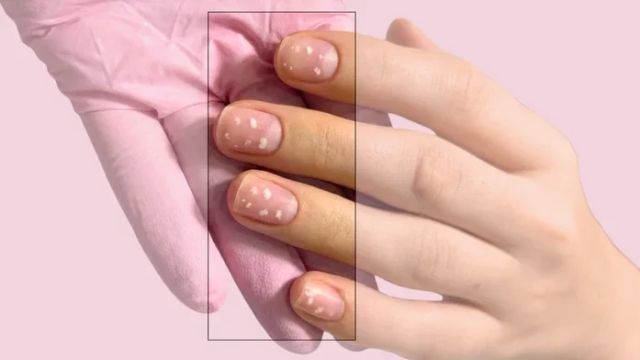
Njollat e bardha në thonj, çfarë i shkakton dhe kur duhet të shqetësoheni?


Readers’ comments
These are readers’ own words, not the publishers’ and not Mosaic’s. Moderators read them; a comment that breaks the rules is hidden or removed.
No comments yet. Be the first to say something useful.