

Society updated
Kapen 10 tonë kokainë të një organizate shqiptare në Spanjë, magazina u zbulua nga një paletë e rrëzuar
What happened
Compiled from the sources
Policia spanjolle ka zbuluar një sasi gjigante kokaine, që dyshohet se arrin në rreth 10 tonë, në dy magazina në
In the story's original language
An excerpt from Gijotina
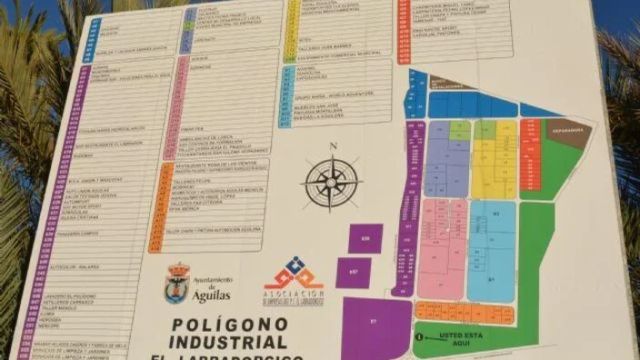
Policia spanjolle ka zbuluar një sasi gjigante kokaine, që dyshohet se arrin në rreth 10 tonë, në dy magazina në qytetin e Aguilas, në rajonin e Murcias. Zbulimi u bë rastësisht më 30 tetor, pas një incidenti në një zonë industriale, ku një paletë me mallra ra nga një pirun ngritës. Drejtuesi i mjetit u largua me shpejtësi, duke e lënë atë me motorin ndezur pranë hyrjes së një magazine. Pas mbërritjes në vendngjarje, efektivët e policisë nuk gjetën asnjë person, por vunë re një numër të madh kutish të vendosura mbi paleta. Dyshimet u shtuan kur një prej efektivëve vendosi të kontrollonte përmbajtjen e njërës prej tyre, duke zbuluar blloqe të presuara kokaine. Në magazinën e parë u gjetën më shumë se 5 tonë drogë, ndërsa hetimet çuan më pas edhe drejt një magazine të dytë në të njëjtën zonë, ku u zbuluan sasi të tjera të konsiderueshme. Sipas mediave spanjolle, pas ngarkesës dyshohet se qëndron një organizatë kriminale me origjinë shqiptare. Dy ambientet mendohet se përdoreshin si pika…
What is still uncertain
From Mosaic, not from a publisher
- So far only Gijotina reports this story on Mosaic, so there is no other coverage to compare it with.
How they headlined it
-
Gijotina Albania · publisher's date
Kapen 10 tonë kokainë të një organizate shqiptare në Spanjë, magazina u zbulua nga një paletë e rrëzuar
Earliest report found by Mosaic
Policia spanjolle ka zbuluar një sasi gjigante kokaine, që dyshohet se arrin në rreth 10 tonë, në dy magazina në
Compiled from the outlet's own words · In the story's original language

How we decide
From Mosaic, not from a publisher
An article's time is the date its publisher gives, when that is plausible: not in the future, and not more than 180 minutes before Mosaic found the article. Otherwise it is when Mosaic first saw it. "Earliest report found by Mosaic" is the one with the earliest time; it does not prove that its outlet published first.
An article is marked "Repeats another outlet's text" when its cleaned text is word for word the same as another article's in the story, or nearly the same (the two texts' SimHash fingerprints differ in at most 12 of 64 bits). Both texts must have at least 30 words, and the articles must be within 48 hours of each other. That does not say who took it from whom: it can be a news agency's text or a press release that several outlets published.
It is also marked when at least 50 % of the two texts' three-word sequences are shared (estimated with MinHash), as with a copy whose lead, footer or page elements differ.
A story leads with the eligible report with the highest current score, when every eligible report has one. Otherwise it leads with the earliest report found by Mosaic, which says nothing about its quality. Reports repeating another outlet's text and paid or organisation-issued articles are left out of the comparison.
Think one of these labels is wrong? Use "Contest this" beside it: staff look at every one.
A vote says whether a story deserves more or less prominence; it does not say whether it is true. If a story is false or misleading, report it instead. For now votes are collected and do not change the order of stories. How votes are used · Report it as false or misleading
Follow developments
This story cannot be followed on its own. Follow its topics and category, and the new stories about them appear under Following.
Other related stories
-
Related story
Justice and crime
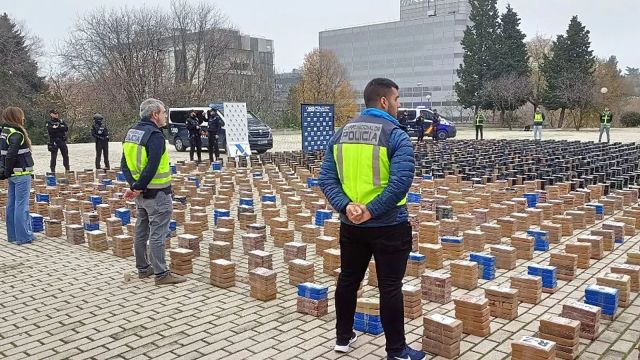
Banda shqiptare “pushton” Spanjën, kapen 10 ton drogë me vlerë 145 milionë euro
-
Related story
Society
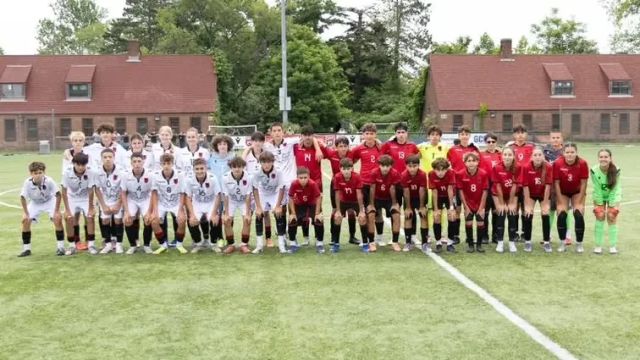
Dhjetë lojtarë të MLS-së në listën e Kanadasë për çerekfinalet e Ligës së Kombeve
-
Related story
Sport
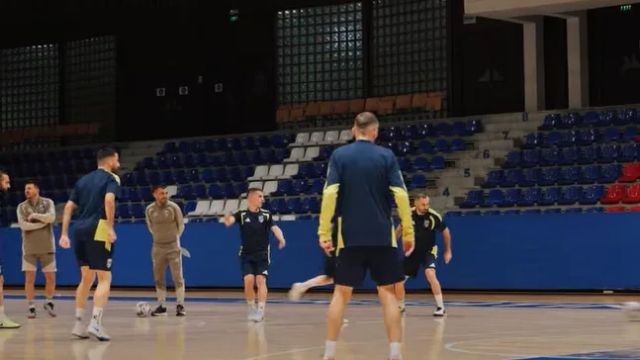
Kombëtarja e Kosovës në futsall nis përgatitjet për dy sfidat ndaj Italisë
-
Related story
Society
Kapen në flagrancë duke transportuar 4 emigrantë të paligjshëm, arrestohen dy 20-vjeçarë në Gjirokastër


Readers’ comments
These are readers’ own words, not the publishers’ and not Mosaic’s. Moderators read them; a comment that breaks the rules is hidden or removed.
No comments yet. Be the first to say something useful.