

Society updated
Shkencëtarët zbulojnë si tumoret shtiren si të vdekura për t’i shpëtuar kimioterapisë
Reported by Gazeta Bulevard 208 points Why this story ranks here
What happened
Compiled from the sources
shkenctaret, zbulimi, tumoret, kimioterapia,
In the story's original language
An excerpt from Gazeta Bulevard
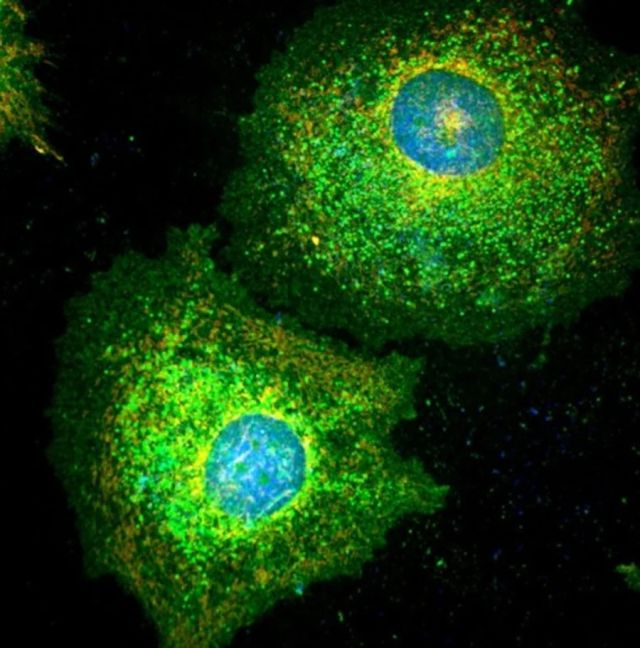
Qelizat kancerogjene mund të hyjnë në një gjendje të ngjashme me “zombit” për t’i shpëtuar efekteve shkatërruese të kimioterapisë. Ky mekanizëm, i zbuluar nga studiuesit e Trinity College Dublin, mund të hapë rrugën për trajtime më efektive kundër kancerit. Ekipi zbuloi se disa qeliza tumorale, në vend që të vdesin pas kimioterapisë, kalojnë në një gjendje të quajtur plakje e parakohshme qelizore. Në këtë fazë, ato nuk shumohen, por pësojnë ndryshime që mund të nxisin sistemin imunitar të ndihmojë në rikuperimin e tumorit. Normalisht, sistemi imunitar ndihmon në riparimin e indeve të dëmtuara, duke nxitur prodhimin e qelizave të reja dhe krijimin e enëve të gjakut që furnizojnë zonën me oksigjen dhe lëndë ushqyese. Megjithatë, tumoret mund ta shfrytëzojnë këtë proces, duke u paraqitur si inde të dëmtuara dhe duke nxitur organizmin t’i mbështesë në vend që t’i shkatërrojë. Studiuesit identifikuan rolin e proteinave të quajtura IAP, të cilat ndihmojnë qelizat tumorale t’u mbijetojnë…
What is still uncertain
From Mosaic, not from a publisher
- So far only Gazeta Bulevard reports this story on Mosaic, so there is no other coverage to compare it with.
How they headlined it
-
Gazeta Bulevard Albania · publisher's date
Shkencëtarët zbulojnë si tumoret shtiren si të vdekura për t’i shpëtuar kimioterapisë
By Bulevard News
Earliest report found by Mosaic
shkenctaret, zbulimi, tumoret, kimioterapia,
Compiled from the outlet's own words · In the story's original language

How we decide
From Mosaic, not from a publisher
An article's time is the date its publisher gives, when that is plausible: not in the future, and not more than 180 minutes before Mosaic found the article. Otherwise it is when Mosaic first saw it. "Earliest report found by Mosaic" is the one with the earliest time; it does not prove that its outlet published first.
An article is marked "Repeats another outlet's text" when its cleaned text is word for word the same as another article's in the story, or nearly the same (the two texts' SimHash fingerprints differ in at most 12 of 64 bits). Both texts must have at least 30 words, and the articles must be within 48 hours of each other. That does not say who took it from whom: it can be a news agency's text or a press release that several outlets published.
It is also marked when at least 50 % of the two texts' three-word sequences are shared (estimated with MinHash), as with a copy whose lead, footer or page elements differ.
A story leads with the eligible report with the highest current score, when every eligible report has one. Otherwise it leads with the earliest report found by Mosaic, which says nothing about its quality. Reports repeating another outlet's text and paid or organisation-issued articles are left out of the comparison.
Think one of these labels is wrong? Use "Contest this" beside it: staff look at every one.
A vote says whether a story deserves more or less prominence; it does not say whether it is true. If a story is false or misleading, report it instead. For now votes are collected and do not change the order of stories. How votes are used · Report it as false or misleading
Follow developments
This story cannot be followed on its own. Follow its topics and category, and the new stories about them appear under Following.
Other related stories
-
Related story
Society
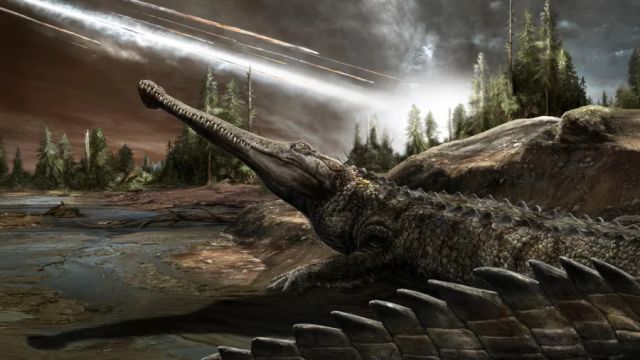
Si i mbijetuan krokodilët asteroidit që zhduku dinosaurët? Shkencëtarët zbulojnë sekretin 66 milionë vjeçar
-
Related story
Society
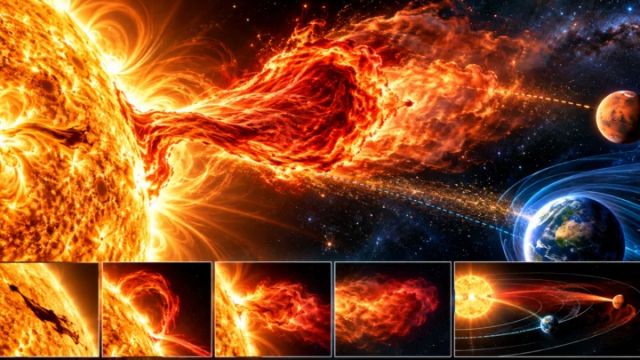
Shpërthim gjigant në Diell, reja e plazmës arrin 500 mijë kilometra, shkencëtarët zbulojnë drejtimin e saj
-
Related story
Society
Shpërthim gjigant në Diell, reja e plazmës arrin 500 mijë kilometra, shkencëtarët zbulojnë drejtimin e saj
-
Related story
Society
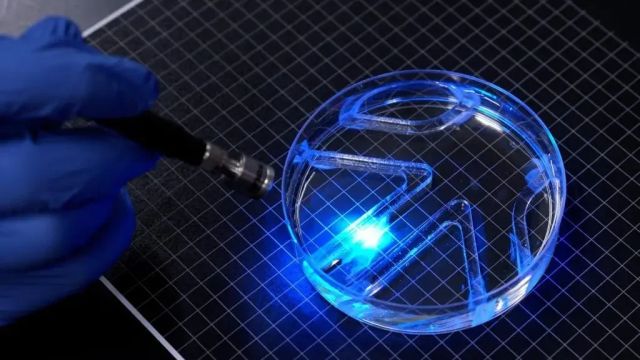
Shkencëtarët krijojnë një robot mikroskopik që noton me qeliza muskulore të gjalla


Readers’ comments
These are readers’ own words, not the publishers’ and not Mosaic’s. Moderators read them; a comment that breaks the rules is hidden or removed.
No comments yet. Be the first to say something useful.