

Society updated
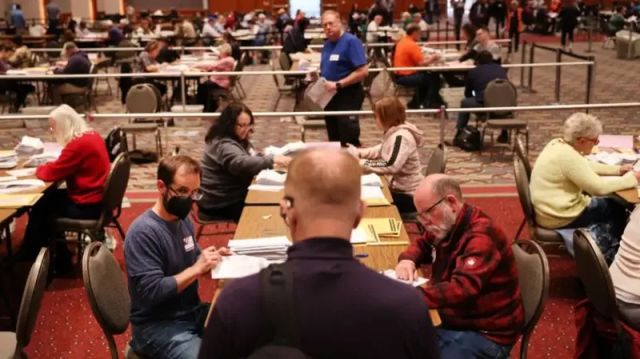
Si funksionon procesi i numërimit të votave dhe kur do të shpallen rezultatet e zgjedhjeve në SHBA
Reported by Euronews Albania 227 points Why this story ranks here
What happened
Compiled from the sources
Në SHBA, çdo shtet është përgjegjës për organizimin e zgjedhjeve dhe ka rregullat e veta për numërimin dhe përpunimin e votave. Disa shtete i përpunojnë
In the story's original language
An excerpt from Euronews Albania
Bota | Lajm kryesor Si funksionon procesi i numërimit të votave dhe kur do të shpallen rezultatet e zgjedhjeve në SHBA 3 Nëntor 2026 | 21:02 Në SHBA, çdo shtet është përgjegjës për organizimin e zgjedhjeve dhe ka rregullat e veta për numërimin dhe përpunimin e votave. Disa shtete i përpunojnë votat e hedhura para ditës së zgjedhjeve, ndërsa të tjera e nisin këtë proces vetëm pasi të mbyllen qendrat e votimit. Zyrtarët lokalë zgjedhorë verifikojnë, përpunojnë dhe numërojnë fletët individuale të votimit, në një proces të njohur si certifikimi i rezultateve zgjedhore. Shumica e shteteve kërkojnë një auditim formal pas zgjedhjeve, i cili përfshin numërimin manual të një pjese të fletëve të votimit dhe krahasimin e tyre me totalet e regjistruara nga makineritë. Megjithatë, rregullat ndryshojnë nga një shtet në tjetrin. Të gjitha shtetet dhe njësitë vendore kanë rregulla të rrepta që përcaktojnë se kush mund të marrë pjesë në procesin zgjedhor, rendin në të cilin përpunohen votat dhe cilat…
What is still uncertain
From Mosaic, not from a publisher
- So far only Euronews Albania reports this story on Mosaic, so there is no other coverage to compare it with.
How they headlined it
-
Euronews Albania Albania · publisher's date
Si funksionon procesi i numërimit të votave dhe kur do të shpallen rezultatet e zgjedhjeve në SHBA
By Besnik
Earliest report found by Mosaic
Në SHBA, çdo shtet është përgjegjës për organizimin e zgjedhjeve dhe ka rregullat e veta për numërimin dhe përpunimin e votave. Disa shtete i përpunojnë
Compiled from the outlet's own words · In the story's original language

How we decide
From Mosaic, not from a publisher
An article's time is the date its publisher gives, when that is plausible: not in the future, and not more than 180 minutes before Mosaic found the article. Otherwise it is when Mosaic first saw it. "Earliest report found by Mosaic" is the one with the earliest time; it does not prove that its outlet published first.
An article is marked "Repeats another outlet's text" when its cleaned text is word for word the same as another article's in the story, or nearly the same (the two texts' SimHash fingerprints differ in at most 12 of 64 bits). Both texts must have at least 30 words, and the articles must be within 48 hours of each other. That does not say who took it from whom: it can be a news agency's text or a press release that several outlets published.
It is also marked when at least 50 % of the two texts' three-word sequences are shared (estimated with MinHash), as with a copy whose lead, footer or page elements differ.
A story leads with the eligible report with the highest current score, when every eligible report has one. Otherwise it leads with the earliest report found by Mosaic, which says nothing about its quality. Reports repeating another outlet's text and paid or organisation-issued articles are left out of the comparison.
Think one of these labels is wrong? Use "Contest this" beside it: staff look at every one.
A vote says whether a story deserves more or less prominence; it does not say whether it is true. If a story is false or misleading, report it instead. For now votes are collected and do not change the order of stories. How votes are used · Report it as false or misleading
Follow developments
This story cannot be followed on its own. Follow its topics and category, and the new stories about them appear under Following.
Other related stories
-
Related story
Society
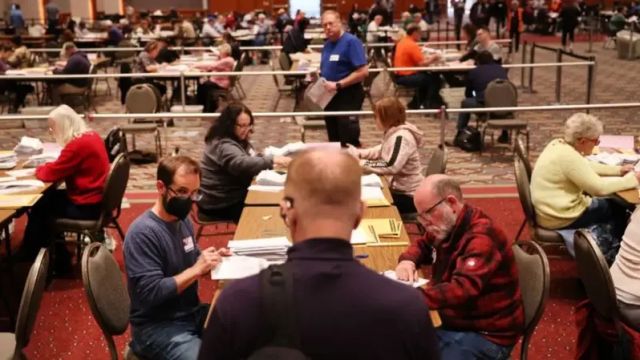
Si funksionon procesi i numërimit të votave dhe kur do të shpallen rezultatet e zgjedhjeve në SHBA
-
Related story

Society
Ambasadorja Drexler për Portalb: BE-ja nuk funksionon si lojë pokeri, zgjerimi është domosdoshmëri gjeopolitike
-
Related story

Society
Vjen super taksa e pronave, si do funksionojë për apartamentet bosh dhe vilat luksoze
-
Related story

People
Si mund të funksionojë një mburojë gjigante hapësinore kundër ndryshimeve klimatike


Readers’ comments
These are readers’ own words, not the publishers’ and not Mosaic’s. Moderators read them; a comment that breaks the rules is hidden or removed.
No comments yet. Be the first to say something useful.