

Environment updated
Makinat e vjetra EURO drejt kufizimeve nga viti 2027, qeveria miraton strategjinë për heqjen graduale nga qarkullimi
Reported by Ekofin 114 points Why this story ranks here
What happened
Compiled from the sources
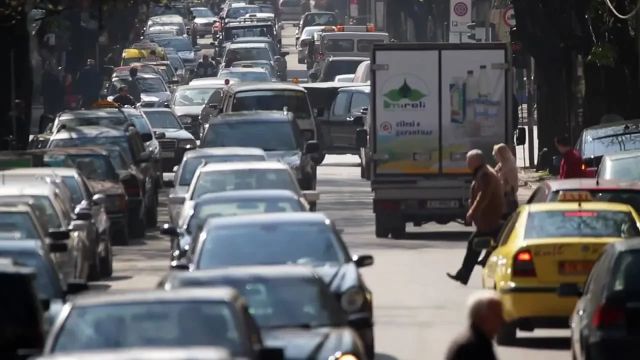
Makinat e kategorive të vjetruara të standardeve evropiane të ndotjes EURO mund të përballen me kufizime të reja gjatë viteve të ardhshme.
In the story's original language
An excerpt from Ekofin
Makinat që u përkasin kategorive të vjetruara të standardeve evropiane të ndotjes EURO mund të përballen me kufizime të reja gjatë viteve të ardhshme. Strategjia Sektoriale e Transportit dhe Plani i Veprimit 2030, miratuar nga qeveria më 28 tetor 2026, parashikon heqjen graduale të këtyre kategorive gjatë periudhës 2027–2030, krahas forcimit të sistemit të kontrollit teknik të automjeteve. Ndryshimet e planifikuara mund të prekin pronarët e makinave të vjetra, qytetarët që blejnë automjete të përdorura dhe bizneset që merren me importin e tyre. Megjithatë, dokumenti nuk përcakton ende se cilat kategori EURO do të preken dhe nëse kufizimet do të zbatohen për makinat që janë tashmë në qarkullim. Në Planin e Veprimit, qeveria parashikon zbatimin e standardeve evropiane për homologimin dhe emetimet e automjeteve, duke përfshirë shprehimisht heqjen graduale të kategorive të vjetruara EURO. Strategjia e lidh këtë ndërhyrje me nevojën për uljen e ndotjes nga transporti. Dokumenti evidenton…
What is still uncertain
From Mosaic, not from a publisher
- So far only Ekofin reports this story on Mosaic, so there is no other coverage to compare it with.
How they headlined it
-
Ekofin Albania · publisher's date
Makinat e vjetra EURO drejt kufizimeve nga viti 2027, qeveria miraton strategjinë për heqjen graduale nga qarkullimi
Earliest report found by Mosaic
Makinat e kategorive të vjetruara të standardeve evropiane të ndotjes EURO mund të përballen me kufizime të reja gjatë viteve të ardhshme.
Compiled from the outlet's own words · In the story's original language

How we decide
From Mosaic, not from a publisher
An article's time is the date its publisher gives, when that is plausible: not in the future, and not more than 180 minutes before Mosaic found the article. Otherwise it is when Mosaic first saw it. "Earliest report found by Mosaic" is the one with the earliest time; it does not prove that its outlet published first.
An article is marked "Repeats another outlet's text" when its cleaned text is word for word the same as another article's in the story, or nearly the same (the two texts' SimHash fingerprints differ in at most 12 of 64 bits). Both texts must have at least 30 words, and the articles must be within 48 hours of each other. That does not say who took it from whom: it can be a news agency's text or a press release that several outlets published.
It is also marked when at least 50 % of the two texts' three-word sequences are shared (estimated with MinHash), as with a copy whose lead, footer or page elements differ.
A story leads with the eligible report with the highest current score, when every eligible report has one. Otherwise it leads with the earliest report found by Mosaic, which says nothing about its quality. Reports repeating another outlet's text and paid or organisation-issued articles are left out of the comparison.
Think one of these labels is wrong? Use "Contest this" beside it: staff look at every one.
A vote says whether a story deserves more or less prominence; it does not say whether it is true. If a story is false or misleading, report it instead. For now votes are collected and do not change the order of stories. How votes are used · Report it as false or misleading
Follow developments
This story cannot be followed on its own. Follow its topics and category, and the new stories about them appear under Following.
Other related stories
-
Related story
Politics
Plani i Qeverisë/ Makinat e vjetra gati të dalin nga tregu brenda tre viteve
-
Related story
Society
Rriten Ndjeshëm Taksat Vjetore të Automjeteve, Goditen Më Shumë Mjetet e Vjetra dhe me Naftë
-
Related story
Lifestyle
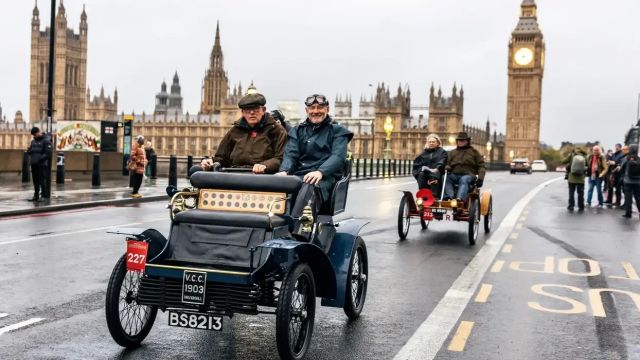
'Veturat më të vjetra' të Britanisë dalin në rrugë për garën vjetore nga Londra në Brighton
-
Related story
Society
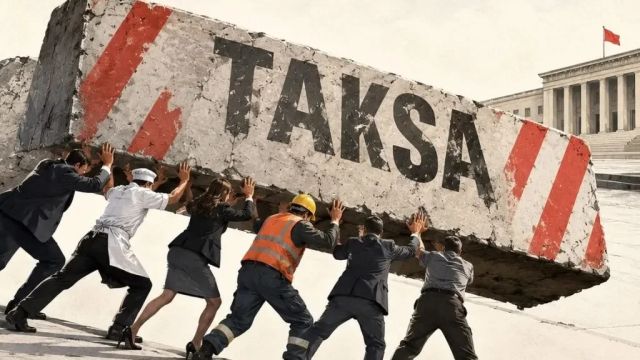
“Bomba” e re e tatimeve, qeveria godet me “Super-Taksat” e reja, nga shtëpitë bosh, vilat në bregdet, te pishinat, makinat e luksit dhe influencerët, ja kush fiton dhe kush ndëshkohet nga arnimi i paketës fiskale, hiqet taksa e qarkullimit nga nafta


Readers’ comments
These are readers’ own words, not the publishers’ and not Mosaic’s. Moderators read them; a comment that breaks the rules is hidden or removed.
No comments yet. Be the first to say something useful.