

Economy updated
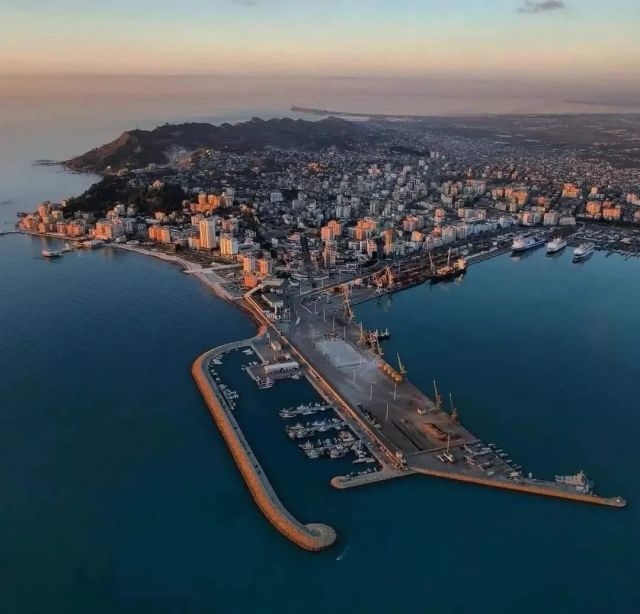
Indeksi i Deloitte/ Durrësi kryeson Europën për rritjen e çmimeve të banesave me 24.1%, Vlora qyteti më pak përballueshëm për blerjen e një shtëpie
Reported by Ekofin 106 points Why this story ranks here
What happened
Compiled from the sources
Kjo ecuri e vendos Durrësin në krye të renditjes europiane për shtrenjtimin e banesave, duke reflektuar presionin e fortë të kërkesës
In the story's original language
An excerpt from Ekofin
Shqipëria renditet ndër vendet europiane ku blerja e një banese është më e vështirë në raport me të ardhurat e qytetarëve. Durrësi ka regjistruar rritjen më të lartë vjetore të çmimeve të banesave të reja ndër të gjitha qytetet e analizuara, ndërsa Vlora rezulton qyteti ku nevojiten më shumë paga vjetore për të blerë një apartament. Ndërkohë, çmimi mesatar i banesave të reja në Shqipëri ka arritur në 1,720 euro për metër katror, duke tejkaluar edhe Serbinë. Tregu shqiptar i pasurive të paluajtshme vijon të shfaqë një kontrast të fortë mes rritjes së çmimeve të banesave dhe mundësive financiare të qytetarëve për t’i blerë ato. Raporti më i fundit i Deloitte, Property Index 2026, të cilin e ka konsultuar ekofin.al, e vendos Shqipërinë në qendër të disa prej zhvillimeve më të spikatura të tregut europian të banesave. Sipas raportit, Durrësi ka regjistruar rritjen më të lartë vjetore të çmimeve të banesave të reja ndër të gjitha qytetet e përfshira në studim, me 24.1%. Çmimi mesatar në…
What is still uncertain
From Mosaic, not from a publisher
- So far only Ekofin reports this story on Mosaic, so there is no other coverage to compare it with.
How they headlined it
-
Ekofin Albania · publisher's date
Indeksi i Deloitte/ Durrësi kryeson Europën për rritjen e çmimeve të banesave me 24.1%, Vlora qyteti më pak përballueshëm për blerjen e një shtëpie
By F Muca
Earliest report found by Mosaic
Kjo ecuri e vendos Durrësin në krye të renditjes europiane për shtrenjtimin e banesave, duke reflektuar presionin e fortë të kërkesës
Compiled from the outlet's own words · In the story's original language

How we decide
From Mosaic, not from a publisher
An article's time is the date its publisher gives, when that is plausible: not in the future, and not more than 180 minutes before Mosaic found the article. Otherwise it is when Mosaic first saw it. "Earliest report found by Mosaic" is the one with the earliest time; it does not prove that its outlet published first.
An article is marked "Repeats another outlet's text" when its cleaned text is word for word the same as another article's in the story, or nearly the same (the two texts' SimHash fingerprints differ in at most 12 of 64 bits). Both texts must have at least 30 words, and the articles must be within 48 hours of each other. That does not say who took it from whom: it can be a news agency's text or a press release that several outlets published.
It is also marked when at least 50 % of the two texts' three-word sequences are shared (estimated with MinHash), as with a copy whose lead, footer or page elements differ.
A story leads with the eligible report with the highest current score, when every eligible report has one. Otherwise it leads with the earliest report found by Mosaic, which says nothing about its quality. Reports repeating another outlet's text and paid or organisation-issued articles are left out of the comparison.
Think one of these labels is wrong? Use "Contest this" beside it: staff look at every one.
A vote says whether a story deserves more or less prominence; it does not say whether it is true. If a story is false or misleading, report it instead. For now votes are collected and do not change the order of stories. How votes are used · Report it as false or misleading
Follow developments
This story cannot be followed on its own. Follow its topics and category, and the new stories about them appear under Following.
Other related stories
-
Related story
Economy
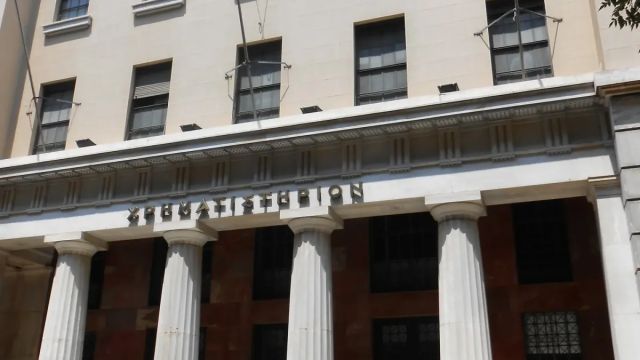
Bursa e Athinës kërcen 1,77%: indeksi i përgjithshëm në 2.662,45 pikë, bankat në krye të rritjes
-
Related story
Economy
Indeksi i shërbimeve në SHBA rishikohet ndjeshëm poshtë në 56,1, optimizmi i biznesit bie në nivelin më të ulët që nga maji
-
Related story
Economy
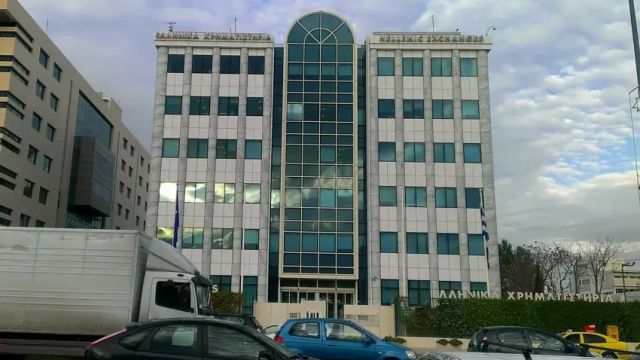
Bursa e Athinës mbyll në minimumin e ditës: indeksi i përgjithshëm -0,64% në 2.602,41 pikë
-
Related story
Economy
Tregjet e Gjirit bien nga frika e luftës SHBA–Iran, Katari kërcen 4.6 për qind kundër rrymës


Readers’ comments
These are readers’ own words, not the publishers’ and not Mosaic’s. Moderators read them; a comment that breaks the rules is hidden or removed.
No comments yet. Be the first to say something useful.