

Politics updated
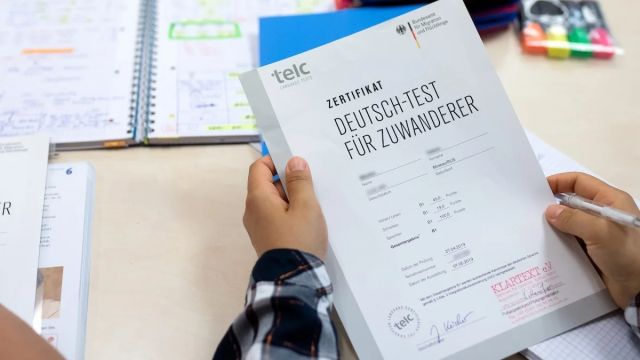
Gjermani, ashpërsohen kriteret për kalimin e provimit B1 në kurset e integrimit
Reported by Urgjent 211 points Why this story ranks here
What happened
Compiled from the sources
Në Gjermani kanë hyrë në fuqi rregulla më të rrepta për kalimin e provimit të gjuhës gjermane në nivelin B1, i cili zhvillohet në përfundim të kursit të integrimit për të huajt.
In the story's original language
An excerpt from Urgjent
Ndryshimet zbatohen nga 1 nëntori 2026 dhe prekin provimin “Deutsch-Test für Zuwanderer” (DTZ), përmes të cilit emigrantët dëshmojnë njohuritë e gjuhës gjermane në nivelet A2 dhe B1. Rregullorja e re, e miratuar nga Ministria Federale e Punëve të Brendshme dhe e publikuar më 20 tetor në Gazetën Zyrtare gjermane, ndryshon mënyrën se si vlerësohen rezultatet për marrjen e nivelit B1. Çfarë ndryshon konkretisht në provimin B1? Deri më 31 tetor, për ta marrë nivelin B1, kandidati duhej të arrinte këtë nivel në pjesën e të folurit dhe në njërën nga dy pjesët e tjera, përkatësisht në dëgjim/lexim ose në shkrim. Në pjesën e mbetur nuk kërkohej ndonjë nivel minimal. Kjo mundësonte marrjen e certifikatës B1 edhe nëse kandidati kishte rezultate shumë të dobëta ose nuk kishte dhënë përgjigje në atë pjesë. Nga 1 nëntori, kjo nuk lejohet më. Sipas rregullit të ri, kandidati duhet të arrijë nivelin B1 në të folur dhe në të paktën njërën nga dy pjesët e tjera, ndërsa në pjesën e mbetur duhet të…
What is still uncertain
From Mosaic, not from a publisher
- So far only Urgjent reports this story on Mosaic, so there is no other coverage to compare it with.
How they headlined it
-
Urgjent Kosovo · publisher's date
Gjermani, ashpërsohen kriteret për kalimin e provimit B1 në kurset e integrimit
By Urgjent Inc
Earliest report found by Mosaic
Në Gjermani kanë hyrë në fuqi rregulla më të rrepta për kalimin e provimit të gjuhës gjermane në nivelin B1, i cili zhvillohet në përfundim të kursit të integrimit për të huajt.
Compiled from the outlet's own words · In the story's original language

How we decide
From Mosaic, not from a publisher
An article's time is the date its publisher gives, when that is plausible: not in the future, and not more than 180 minutes before Mosaic found the article. Otherwise it is when Mosaic first saw it. "Earliest report found by Mosaic" is the one with the earliest time; it does not prove that its outlet published first.
An article is marked "Repeats another outlet's text" when its cleaned text is word for word the same as another article's in the story, or nearly the same (the two texts' SimHash fingerprints differ in at most 12 of 64 bits). Both texts must have at least 30 words, and the articles must be within 48 hours of each other. That does not say who took it from whom: it can be a news agency's text or a press release that several outlets published.
It is also marked when at least 50 % of the two texts' three-word sequences are shared (estimated with MinHash), as with a copy whose lead, footer or page elements differ.
A story leads with the eligible report with the highest current score, when every eligible report has one. Otherwise it leads with the earliest report found by Mosaic, which says nothing about its quality. Reports repeating another outlet's text and paid or organisation-issued articles are left out of the comparison.
Think one of these labels is wrong? Use "Contest this" beside it: staff look at every one.
A vote says whether a story deserves more or less prominence; it does not say whether it is true. If a story is false or misleading, report it instead. For now votes are collected and do not change the order of stories. How votes are used · Report it as false or misleading
Follow developments
This story cannot be followed on its own. Follow its topics and category, and the new stories about them appear under Following.
Other related stories
-
Related story

Society
TRHERAN – Irani ashpërson retorikën ndaj Merz: 100 miliardë euro nuk krahasohen me kundërpërgjigjen tonë
-
Related story

Society
GJERMANI – Numri i azilkërkuesve të rinj bie me 35%, niveli më i ulët që nga tetori i 2011-ës
-
Related story

Society
Gjermani, nis gjykimi për mashtrim prej 2.1 milionë eurosh, mes të hetuarve edhe një kosovar
-
Related story

Society
GJERMANI – Vetëm 18 muaj për të shmangur humbjen e garës me SHBA-në dhe Kinën në inteligjencën artificiale


Readers’ comments
These are readers’ own words, not the publishers’ and not Mosaic’s. Moderators read them; a comment that breaks the rules is hidden or removed.
No comments yet. Be the first to say something useful.