


Society updated
Publikohen dosjet sekrete në Hungari, 37 vjet pas rënies së komunizmit
Reported by Euronews Albania How this story’s score was calculated
What happened
Compiled from the sources
Hungaria ka hapur për publikun dosjet e policisë sekrete të epokës komuniste, në një veprim të diskutueshëm që qeveria thotë se do të ndihmojë shoqërinë
In the story's original language
An excerpt from Euronews Albania
Bota Publikohen dosjet sekrete në Hungari, 37 vjet pas rënies së komunizmit 4 Nëntor 2026 | 19:40 Hungaria ka hapur për publikun dosjet e policisë sekrete të epokës komuniste, në një veprim të diskutueshëm që qeveria thotë se do të ndihmojë shoqërinë hungareze të shërohet nga traumat e 45 viteve të sundimit komunist. Kritikët thonë se ky veprim vjen shumë vonë, se vetë dosjet janë të paplota dhe se ky veprim rrezikon të mbjellë përçarje dhe të shkaktojë ankth të panevojshëm tek anëtarët e familjes. Data e hapjes është simbolike – më 4 nëntor 1956, tanket sovjetike kaluan nëpër Budapest dhe qytete të tjera, për të shtypur revolucionin jetëshkurtër të Hungarisë. “U kërkoj të gjithëve ta trajtojnë këtë publikim të vonuar të dokumenteve me dinjitet dhe humanizëm”, u tha kryeministri Péter Magyar gazetarëve në arkivat shtetërore në Budapest. “Shumë familje tani do të përballen me informacione të vështira, shpesh të lidhura me një të afërm të ndjerë”, shtoi ai. “Është e pamundur të…
What is still uncertain
From Mosaic, not from a publisher
- So far only Euronews Albania reports this story on Mosaic, so there is no other coverage to compare it with.
How they headlined it
-
Euronews Albania Albania · publisher's date
Publikohen dosjet sekrete në Hungari, 37 vjet pas rënies së komunizmit
Earliest report found by Mosaic
Hungaria ka hapur për publikun dosjet e policisë sekrete të epokës komuniste, në një veprim të diskutueshëm që qeveria thotë se do të ndihmojë shoqërinë
Compiled from the outlet's own words · In the story's original language

How we decide
From Mosaic, not from a publisher
An article's time is the date its publisher gives, when that is plausible: not in the future, and not more than 180 minutes before Mosaic found the article. Otherwise it is when Mosaic first saw it. "Earliest report found by Mosaic" is the one with the earliest time; it does not prove that its outlet published first.
An article is marked "Repeats another outlet's text" when its cleaned text is word for word the same as another article's in the story, or nearly the same (the two texts' SimHash fingerprints differ in at most 12 of 64 bits). Both texts must have at least 30 words, and the articles must be within 48 hours of each other. That does not say who took it from whom: it can be a news agency's text or a press release that several outlets published.
It is also marked when at least 50 % of the two texts' three-word sequences are shared (estimated with MinHash), as with a copy whose lead, footer or page elements differ.
A story leads with the eligible report with the highest current score, when every eligible report has one. Otherwise it leads with the earliest report found by Mosaic, which says nothing about its quality. Reports repeating another outlet's text and paid or organisation-issued articles are left out of the comparison.
Think one of these labels is wrong? Use "Contest this" beside it: staff look at every one.
A vote says whether a story deserves more or less prominence; it does not say whether it is true. If a story is false or misleading, report it instead. For now votes are collected and do not change the order of stories. How votes are used · Report it as false or misleading
Follow developments
This story cannot be followed on its own. Follow its topics and category, and the new stories about them appear under Following.
Other related stories
-
Related story

Justice and crime
Kurti për vrasjen e Arlinda Zekajt: Secili zyrtar që ka neglizhuar detyrën duhet të japë përgjegjësi penale
-
Related story

Culture and media
Publikohen datat e shfaqjes së muzikalit “Mbreti Luan”
-
Related story
Society
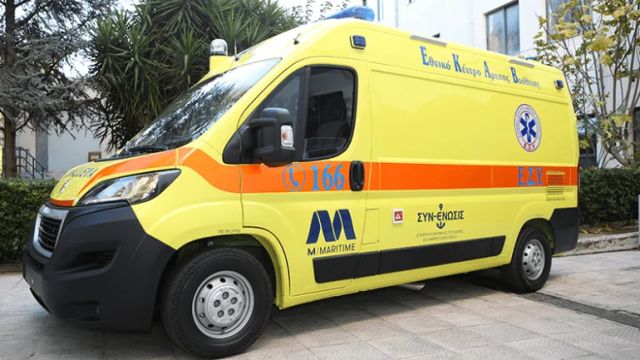
VIDEO/ Publikohen pamjet e tragjedisë në Athinë ku humbën jetën 3 shqiptarë
-
Related story

Culture and media
Akuza të rënda mes Xhenetës dhe Milaimit: A do të publikohen dëshmitë?


Readers’ comments
These are readers’ own words, not the publishers’ and not Mosaic’s. Moderators read them; a comment that breaks the rules is hidden or removed.
No comments yet. Be the first to say something useful.