

Politics updated
THE TIMES: Shqiptarët janë betuar për të rrëzuar Edi Ramën, as gjobat e rënda nuk do t’i ndalojnë më
Reported by Gijotina 243 points Why this story ranks here
What happened
Compiled from the sources
Studentët akuzojnë Edi Ramën për klientelizëm dhe kapje të shtetit — dhe pretendojnë se duhet të paguajnë ryshfet për të
In the story's original language
An excerpt from Gijotina
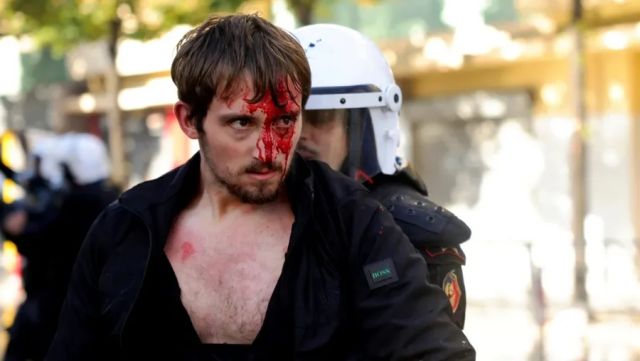
Studentët akuzojnë Edi Ramën për klientelizëm dhe kapje të shtetit — dhe pretendojnë se duhet të paguajnë ryshfet për të kaluar provimet. Gjobat e rënda për protestat nuk do t’i ndalojnë më. Nga Tim Kington, THE TIMES Ajo është vetëm 19 vjeçe, por Glevia tashmë u është shmangur plumbave prej gome dhe është goditur nga gazi lotsjellës dhe spërkatësit me piper. Prandaj, ka pak gjasa që gjobat e reja prej 4 600 paundësh të kryeministrit shqiptar, Edi Rama, ta ndalin. “Këto gjoba nuk ndryshojnë asgjë, janë thjesht një taktikë për të frikësuar njerëzit. Të shtunën do të jem sërish në rrugë”, tha protestuesja. Ajo po bisedonte me studentë të tjerë të arkitekturës jashtë parlamentit, gjatë një pauze pas dy javësh përplasjesh mes protestuesve dhe policisë, të cilat e kanë bërë kryeqytetin e Shqipërisë, Tiranën, të duket si një zonë lufte. Dyqanet, ndërtesat qeveritare dhe stacionet e autobusëve janë shkatërruar, semaforëve u janë hequr pjesët e sipërme për të hequr kamerat e sigurisë – duke…
What is still uncertain
From Mosaic, not from a publisher
- Mosaic is not sure that every article is about the same event; the grouping is waiting for a check.
- So far only Gijotina reports this story on Mosaic, so there is no other coverage to compare it with.
How they headlined it
-
Gijotina Albania · publisher's date
THE TIMES: Shqiptarët janë betuar për të rrëzuar Edi Ramën, as gjobat e rënda nuk do t’i ndalojnë më
Earliest report found by Mosaic
Studentët akuzojnë Edi Ramën për klientelizëm dhe kapje të shtetit — dhe pretendojnë se duhet të paguajnë ryshfet për të
Compiled from the outlet's own words · In the story's original language

How we decide
From Mosaic, not from a publisher
An article's time is the date its publisher gives, when that is plausible: not in the future, and not more than 180 minutes before Mosaic found the article. Otherwise it is when Mosaic first saw it. "Earliest report found by Mosaic" is the one with the earliest time; it does not prove that its outlet published first.
An article is marked "Repeats another outlet's text" when its cleaned text is word for word the same as another article's in the story, or nearly the same (the two texts' SimHash fingerprints differ in at most 12 of 64 bits). Both texts must have at least 30 words, and the articles must be within 48 hours of each other. That does not say who took it from whom: it can be a news agency's text or a press release that several outlets published.
It is also marked when at least 50 % of the two texts' three-word sequences are shared (estimated with MinHash), as with a copy whose lead, footer or page elements differ.
A story leads with the eligible report with the highest current score, when every eligible report has one. Otherwise it leads with the earliest report found by Mosaic, which says nothing about its quality. Reports repeating another outlet's text and paid or organisation-issued articles are left out of the comparison.
Think one of these labels is wrong? Use "Contest this" beside it: staff look at every one.
A vote says whether a story deserves more or less prominence; it does not say whether it is true. If a story is false or misleading, report it instead. For now votes are collected and do not change the order of stories. How votes are used · Report it as false or misleading
Follow developments
This story cannot be followed on its own. Follow its topics and category, and the new stories about them appear under Following.
Other related stories
-
Related story

Politics
“Shqiptarët janë ndarë një herë e mirë nga Saliu”- Avokati ironizon kreun e PD: Berisha bën thirrje për protestës k
-
Related story

Politics
Gjykatësja federale i ndalon administratës Trump kërcënimet ndaj zyrtarëve zgjedhorë
-
Related story

Justice and crime
Kurti: Shqiptarët në Serbi shënuan rezultatin më të lartë që nga viti 2000, presim ndryshim të qasjes së Beogradit ndaj Kosovës
-
Related story

Politics
Analiza/ Beteja për Kongresin, test për Trumpin


Readers’ comments
These are readers’ own words, not the publishers’ and not Mosaic’s. Moderators read them; a comment that breaks the rules is hidden or removed.
No comments yet. Be the first to say something useful.