

Society updated
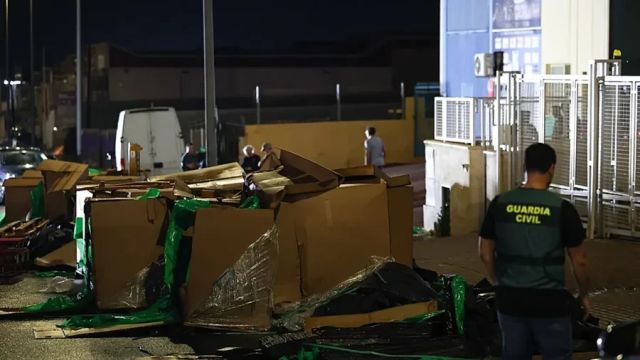
Sekuestrohen 10 tonë kokainë, banda shqiptare kishte shënuar në pakot e drogës adresat e destinacionit
Reported by Gijotina 168 points Why this story ranks here
What happened
Compiled from the sources
Autoritetet spanjolle kanë kryer një operacion të madh antidrogë, ku kanë sekuestruar mbi 10 tonë kokainë në dy kapanone industriale
In the story's original language
An excerpt from Gijotina
Autoritetet spanjolle kanë kryer një operacion të madh antidrogë, ku kanë sekuestruar mbi 10 tonë kokainë në dy kapanone industriale në zonën e Águilas. Dyshimet e hetuesve janë përqendruar te një organizatë kriminale me origjinë shqiptare, e cila dyshohet se përdorte këto ambiente për magazinimin dhe shpërndarjen e drogës në Spanjë dhe vende të tjera të Europës. Një detaj i veçantë i zbuluar gjatë hetimeve është se paketimet e kokainës kishin të shënuara adresat ku duhej të dërgohej droga. Sipas burimeve pranë çështjes, ky informacion mund t’i ndihmojë autoritetet të zbardhin destinacionet e ngarkesës dhe të identifikojnë personat e përfshirë në rrjetin e shpërndarjes. Kokaina u zbulua në dy kapanone industriale në zonën El Labradorcico. Në ambientin e parë u numëruan më shumë se 5 mijë kilogramë, ndërsa zbulimi i një kapanoni të dytë e çoi sasinë përfundimtare në mbi 10 tonë. Vlera e drogës në tregun e zi vlerësohet të kalojë 100 milionë euro. Ky operacion konsiderohet sekuestrimi…
What is still uncertain
From Mosaic, not from a publisher
- So far only Gijotina reports this story on Mosaic, so there is no other coverage to compare it with.
How they headlined it
-
Gijotina Albania · publisher's date
Sekuestrohen 10 tonë kokainë, banda shqiptare kishte shënuar në pakot e drogës adresat e destinacionit
Earliest report found by Mosaic
Autoritetet spanjolle kanë kryer një operacion të madh antidrogë, ku kanë sekuestruar mbi 10 tonë kokainë në dy kapanone industriale
Compiled from the outlet's own words · In the story's original language

How we decide
From Mosaic, not from a publisher
An article's time is the date its publisher gives, when that is plausible: not in the future, and not more than 180 minutes before Mosaic found the article. Otherwise it is when Mosaic first saw it. "Earliest report found by Mosaic" is the one with the earliest time; it does not prove that its outlet published first.
An article is marked "Repeats another outlet's text" when its cleaned text is word for word the same as another article's in the story, or nearly the same (the two texts' SimHash fingerprints differ in at most 12 of 64 bits). Both texts must have at least 30 words, and the articles must be within 48 hours of each other. That does not say who took it from whom: it can be a news agency's text or a press release that several outlets published.
It is also marked when at least 50 % of the two texts' three-word sequences are shared (estimated with MinHash), as with a copy whose lead, footer or page elements differ.
A story leads with the eligible report with the highest current score, when every eligible report has one. Otherwise it leads with the earliest report found by Mosaic, which says nothing about its quality. Reports repeating another outlet's text and paid or organisation-issued articles are left out of the comparison.
Think one of these labels is wrong? Use "Contest this" beside it: staff look at every one.
A vote says whether a story deserves more or less prominence; it does not say whether it is true. If a story is false or misleading, report it instead. For now votes are collected and do not change the order of stories. How votes are used · Report it as false or misleading
Follow developments
This story cannot be followed on its own. Follow its topics and category, and the new stories about them appear under Following.
Other related stories
-
Related story
Justice and crime
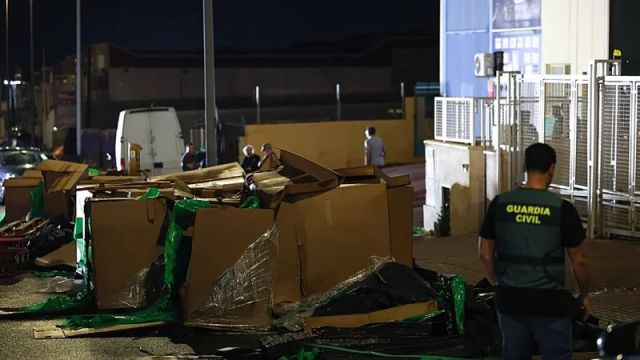
Sekuestrohen mbi 10 tonë kokainë në Spanjë, hetohet organizata shqiptare
-
Related story

Justice and crime
Mashtrim me betonin dhe pastrim parash, në gjyq administratori italian i “Euro Beton 2005”, sekuestrohen 10 milionë euro pasuri
-
Related story
Justice and crime
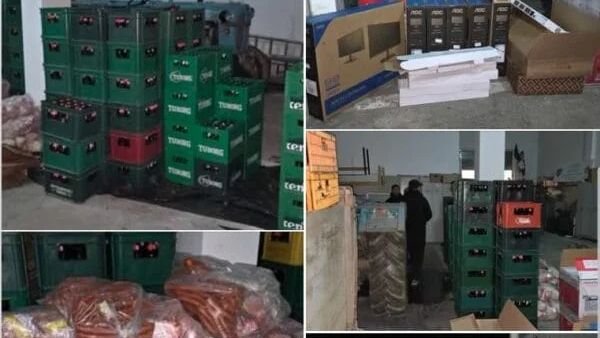
“Suxhuk, pula të gjalla e arka me birra”, sekuestrohen mallra mbi 10 mijë euro në Ranillug
-
Related story
Justice and crime
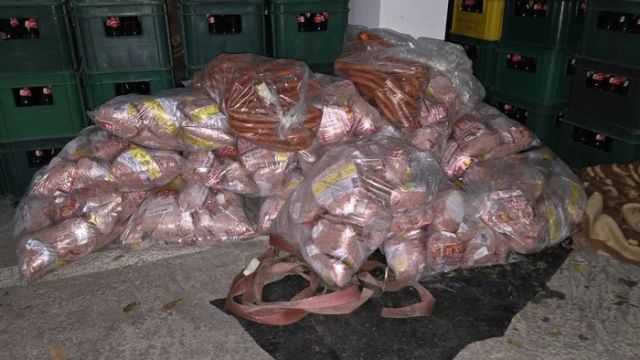
Kontrabandë në Ranillug: Dogana dhe Policia sekuestrojnë mallra mbi 10 mijë euro, ndalohen tre të dyshuar


Readers’ comments
These are readers’ own words, not the publishers’ and not Mosaic’s. Moderators read them; a comment that breaks the rules is hidden or removed.
No comments yet. Be the first to say something useful.