

Society updated
OpenAI: Nuk do ketë më marrëveshje me zyrtarët publikë për projektet e ardhshme të qendrave të të dhënave
Reported by Euronews Albania 176 points Why this story ranks here
What happened
Compiled from the sources
OpenAI, kompania që qëndron pas ChatGPT, ka njoftuar se nuk do të përdorë më marrëveshje konfidencialiteti (NDA) me zyrtarët publikë për projektet e
In the story's original language
An excerpt from Euronews Albania
Bota OpenAI: Nuk do ketë më marrëveshje me zyrtarët publikë për projektet e ardhshme të qendrave të të dhënave 6 Nëntor 2026 | 10:26 OpenAI, kompania që qëndron pas ChatGPT, ka njoftuar se nuk do të përdorë më marrëveshje konfidencialiteti (NDA) me zyrtarët publikë për projektet e ardhshme të qendrave të të dhënave, në një kohë kur në SHBA po shtohen shqetësimet për ndikimin mjedisor dhe ekonomik të infrastrukturës së inteligjencës artificiale. Vendimi vjen pas rritjes së kundërshtimeve ndaj ndërtimit të qendrave të mëdha të të dhënave në disa shtete dhe komunitete lokale amerikane, ku shqetësimet kryesore lidhen me konsumin e energjisë elektrike, përdorimin e ujit dhe kostot shtesë për banorët. Në një deklaratë zyrtare, OpenAI prezantoi një sërë angazhimesh të reja përmes të ashtuquajturës “Marrëveshja e Re Kombëtare e Komunitetit”, që synon të rrisë transparencën dhe të adresojë shqetësimet e komuniteteve ku ndërtohen këto objekte. Sipas marrëveshjes, kompania zotohet të mbulojë…
What is still uncertain
From Mosaic, not from a publisher
- So far only Euronews Albania reports this story on Mosaic, so there is no other coverage to compare it with.
How they headlined it
-
Euronews Albania Albania · publisher's date
OpenAI: Nuk do ketë më marrëveshje me zyrtarët publikë për projektet e ardhshme të qendrave të të dhënave
By Elidona Aga
Earliest report found by Mosaic
OpenAI, kompania që qëndron pas ChatGPT, ka njoftuar se nuk do të përdorë më marrëveshje konfidencialiteti (NDA) me zyrtarët publikë për projektet e
Compiled from the outlet's own words · In the story's original language

How we decide
From Mosaic, not from a publisher
An article's time is the date its publisher gives, when that is plausible: not in the future, and not more than 180 minutes before Mosaic found the article. Otherwise it is when Mosaic first saw it. "Earliest report found by Mosaic" is the one with the earliest time; it does not prove that its outlet published first.
An article is marked "Repeats another outlet's text" when its cleaned text is word for word the same as another article's in the story, or nearly the same (the two texts' SimHash fingerprints differ in at most 12 of 64 bits). Both texts must have at least 30 words, and the articles must be within 48 hours of each other. That does not say who took it from whom: it can be a news agency's text or a press release that several outlets published.
It is also marked when at least 50 % of the two texts' three-word sequences are shared (estimated with MinHash), as with a copy whose lead, footer or page elements differ.
A story leads with the eligible report with the highest current score, when every eligible report has one. Otherwise it leads with the earliest report found by Mosaic, which says nothing about its quality. Reports repeating another outlet's text and paid or organisation-issued articles are left out of the comparison.
Think one of these labels is wrong? Use "Contest this" beside it: staff look at every one.
A vote says whether a story deserves more or less prominence; it does not say whether it is true. If a story is false or misleading, report it instead. For now votes are collected and do not change the order of stories. How votes are used · Report it as false or misleading
Follow developments
This story cannot be followed on its own. Follow its topics and category, and the new stories about them appear under Following.
Other related stories
-
Related story
Society
OpenAI: Nuk do ketë më marrëveshje me zyrtarët publikë për projektet e ardhshme të qendrave të të dhënave
-
Related story

Society
OpenAI lëshon GPT-6 Cyber, modelin e sigurisë kibernetike me vlerësimin “Critical”
-
Related story

Science and technology
OpenAI blen startup-in Pierre Computer për të sjellë ruajtjen e kodit në Codex
-
Related story
Society
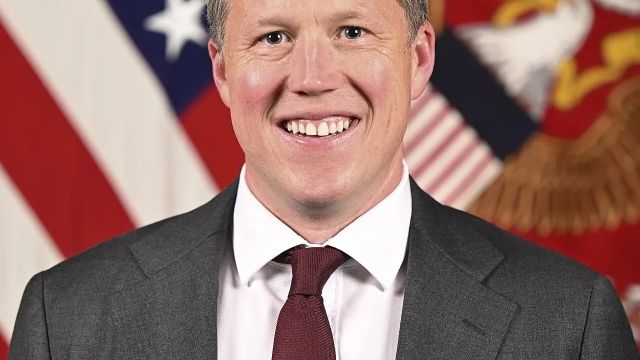
OpenAI punëson ish-sekretarin e Ushtrisë Dan Driscoll në një rol të ri për sigurinë kombëtare


Readers’ comments
These are readers’ own words, not the publishers’ and not Mosaic’s. Moderators read them; a comment that breaks the rules is hidden or removed.
No comments yet. Be the first to say something useful.