

Society updated
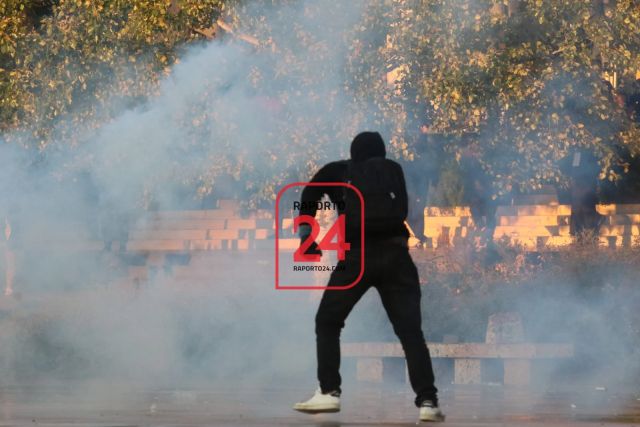
Nga Franca e Italia deri në Spanjë dhe Shqipëri: Kush janë protestuesit e “Black Bloc” që shfaqen në protestat evropiane
Reported by Raporto24 229 points Why this story ranks here
What happened
Compiled from the sources
Nga Franca dhe Italia deri në Spanjë dhe Shqipëri, një tipar i rregullt i lëvizjeve protestuese evropiane është prania e disa qindra të rinjve të veshur tërësisht në të zeza.
In the story's original language
An excerpt from Raporto24
Nga Franca dhe Italia deri në Spanjë dhe Shqipëri, një tipar i rregullt i lëvizjeve protestuese evropiane është prania e disa qindra të rinjve të veshur tërësisht në të zeza. Këta persona, të njohur si “Black Bloc”, shpesh përfshihen në përplasje fizike me forcat e rendit. Ata janë parë duke shkatërruar prona publike dhe private, duke u vënë flakën makinave dhe ndërtesave, si dhe janë akuzuar për thyerje dhe vjedhje të mallrave të ndryshme, nga ushqimet deri te bizhuteritë. Kjo energji agresive mund të ndryshojë rrjedhën e demonstratave paqësore të grupeve studentore apo sindikatave. Francis Dupuis-Deri, profesor i shkencave politike në Universitetin e Quebec-ut në Montreal, shpjegon se lëvizja filloi në vitet 1980 në Gjermani nga një lëvizje sociale e quajtur “autonomia”. Sipas tij, ata janë anarkistë që kundërshtojnë shtetin, kapitalizmin dhe partitë politike. “Nuk ka udhëheqje, as hierarki, as zëdhënës, as deklarata për shtyp”, thotë ai, duke shtuar se veshja e zezë shërben për të…
What is still uncertain
From Mosaic, not from a publisher
- So far only Raporto24 reports this story on Mosaic, so there is no other coverage to compare it with.
How they headlined it
-
Raporto24 Kosovo · publisher's date
Nga Franca e Italia deri në Spanjë dhe Shqipëri: Kush janë protestuesit e “Black Bloc” që shfaqen në protestat evropiane
By Leni
Earliest report found by Mosaic
Nga Franca dhe Italia deri në Spanjë dhe Shqipëri, një tipar i rregullt i lëvizjeve protestuese evropiane është prania e disa qindra të rinjve të veshur tërësisht në të zeza.
Compiled from the outlet's own words · In the story's original language

How we decide
From Mosaic, not from a publisher
An article's time is the date its publisher gives, when that is plausible: not in the future, and not more than 180 minutes before Mosaic found the article. Otherwise it is when Mosaic first saw it. "Earliest report found by Mosaic" is the one with the earliest time; it does not prove that its outlet published first.
An article is marked "Repeats another outlet's text" when its cleaned text is word for word the same as another article's in the story, or nearly the same (the two texts' SimHash fingerprints differ in at most 12 of 64 bits). Both texts must have at least 30 words, and the articles must be within 48 hours of each other. That does not say who took it from whom: it can be a news agency's text or a press release that several outlets published.
It is also marked when at least 50 % of the two texts' three-word sequences are shared (estimated with MinHash), as with a copy whose lead, footer or page elements differ.
A story leads with the eligible report with the highest current score, when every eligible report has one. Otherwise it leads with the earliest report found by Mosaic, which says nothing about its quality. Reports repeating another outlet's text and paid or organisation-issued articles are left out of the comparison.
Think one of these labels is wrong? Use "Contest this" beside it: staff look at every one.
A vote says whether a story deserves more or less prominence; it does not say whether it is true. If a story is false or misleading, report it instead. For now votes are collected and do not change the order of stories. How votes are used · Report it as false or misleading
Follow developments
This story cannot be followed on its own. Follow its topics and category, and the new stories about them appear under Following.
Other related stories
-
Related story
Society
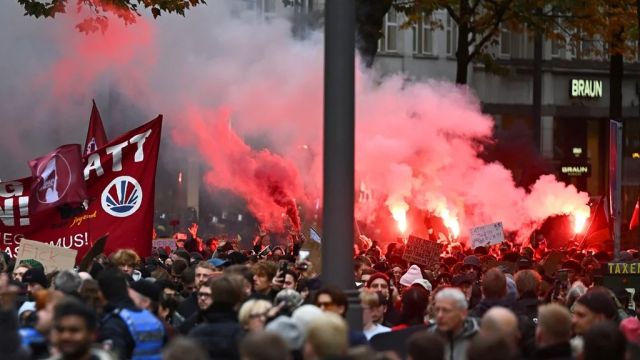
Valë protestash në Evropë! Nga Franca, Spanja e Gjermania/ Të rinjtë në rrugë, në Itali angazhohet ushtria, demonstrata në mbi 30 qytete gjermane
-
Related story
Society
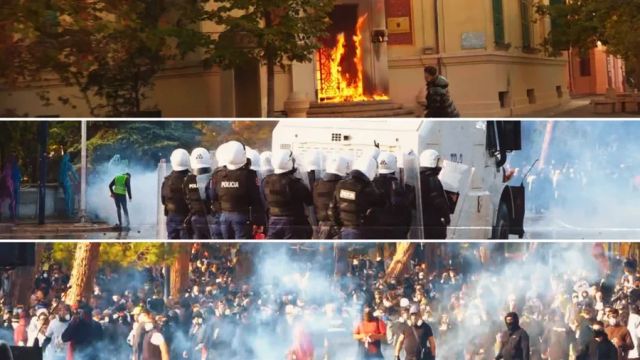
Brezi që nuk u beson më: të rinjtë e Evropës dalin në rrugë kundër elitave
-
Related story
Conflict and peace
Ekskluzive | U kërkua ndërkombëtarisht për dhunim e ngacmim seksual – Ramush Salihu është i ekstraduari nga Franca, e pret dënimi me 9 vjet e gjysmë burg
-
Related story

Conflict and peace
Kosova ekstradon dy shtetas në Maqedoninë e Veriut, ndërsa një të kërkuar për dhunim e kthen nga Franca


Readers’ comments
These are readers’ own words, not the publishers’ and not Mosaic’s. Moderators read them; a comment that breaks the rules is hidden or removed.
No comments yet. Be the first to say something useful.