

Politics updated
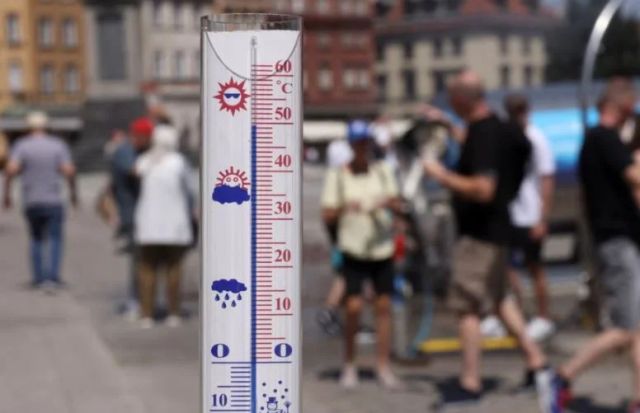
BE paralajmëron se 2026-ta mund të jetë viti i dyti më i nxehtë në histori
Reported by Euronews Albania 285 points Why this story ranks here
What happened
Compiled from the sources
Bota është rrugës që viti 2026 të bëhet viti i dytë më i nxehtë në histori, teksa fenomeni klimatik El Ninjo po përshpejton ngrohjen globale, të nxitur
In the story's original language
An excerpt from Euronews Albania
Bota | Evropa BE paralajmëron se 2026-ta mund të jetë viti i dyti më i nxehtë në histori 6 Nëntor 2026 | 17:46 Bota është rrugës që viti 2026 të bëhet viti i dytë më i nxehtë në histori, teksa fenomeni klimatik El Ninjo po përshpejton ngrohjen globale, të nxitur nga njeriu, tha monitoruesi i klimës i Bashkimit Evropian. Ky vit veçse ka “20 për qind shans të tentojë apo të tejkalojë” vitin 2024 – viti me temperaturat më të larta të regjistruara deri më tani -tha Shërbimi për Ndryshimin e Klimës, Copernicus. Temperaturat globale këtë vit “me shumë siguri” do të tejkalojnë pragun prej 1.5 gradë Celsius të niveleve paraindustriale, tha shërbimi. Mesatarja e temperaturave nga viti 2023 deri më 2026 po ashtu pritet të tejkalojë pragun prej 1.5 gradë Celsius- limiti i caktuar në bazë të Marrëveshjes së Parisit për klimën, që synon të shmangë ndikimet negative nga ndryshimet klimatike. Copernicus tha se bota ka përjetuar tetorin më të nxehtë në histori, teksa temperatura mesatare globale e…
What is still uncertain
From Mosaic, not from a publisher
- So far only Euronews Albania reports this story on Mosaic, so there is no other coverage to compare it with.
How they headlined it
-
Euronews Albania Albania · publisher's date
BE paralajmëron se 2026-ta mund të jetë viti i dyti më i nxehtë në histori
Earliest report found by Mosaic
Bota është rrugës që viti 2026 të bëhet viti i dytë më i nxehtë në histori, teksa fenomeni klimatik El Ninjo po përshpejton ngrohjen globale, të nxitur
Compiled from the outlet's own words · In the story's original language

How we decide
From Mosaic, not from a publisher
An article's time is the date its publisher gives, when that is plausible: not in the future, and not more than 180 minutes before Mosaic found the article. Otherwise it is when Mosaic first saw it. "Earliest report found by Mosaic" is the one with the earliest time; it does not prove that its outlet published first.
An article is marked "Repeats another outlet's text" when its cleaned text is word for word the same as another article's in the story, or nearly the same (the two texts' SimHash fingerprints differ in at most 12 of 64 bits). Both texts must have at least 30 words, and the articles must be within 48 hours of each other. That does not say who took it from whom: it can be a news agency's text or a press release that several outlets published.
It is also marked when at least 50 % of the two texts' three-word sequences are shared (estimated with MinHash), as with a copy whose lead, footer or page elements differ.
A story leads with the eligible report with the highest current score, when every eligible report has one. Otherwise it leads with the earliest report found by Mosaic, which says nothing about its quality. Reports repeating another outlet's text and paid or organisation-issued articles are left out of the comparison.
Think one of these labels is wrong? Use "Contest this" beside it: staff look at every one.
Topics
A vote says whether a story deserves more or less prominence; it does not say whether it is true. If a story is false or misleading, report it instead. For now votes are collected and do not change the order of stories. How votes are used · Report it as false or misleading
Follow developments
This story cannot be followed on its own. Follow its topics and category, and the new stories about them appear under Following.
Other related stories
-
Related story
Society
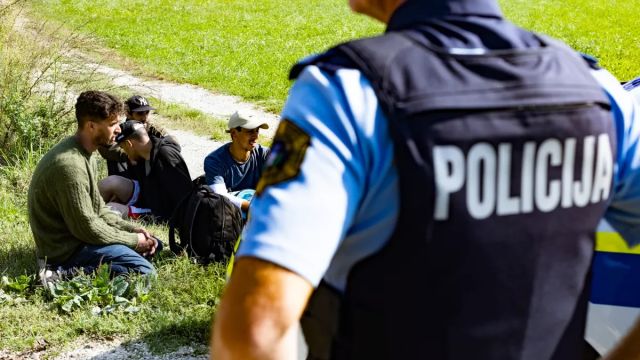
BE-ja paralajmëron për rrezik nga migracioni në Slloveni
-
Related story
Science and technology
BE paralajmëron për rreziqet e TikTok: Algoritmi mund të dëmtojë shëndetin mendor
-
Related story
Society
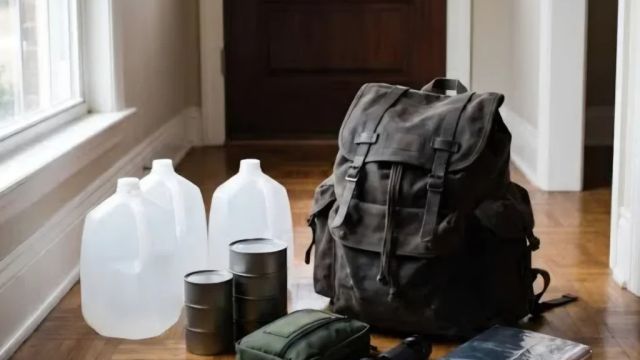
BE-ja paralajmëron për krizat e mundshme: Qytetarët duhet të kenë gati furnizimet për tri ditë
-
Related story
Politics
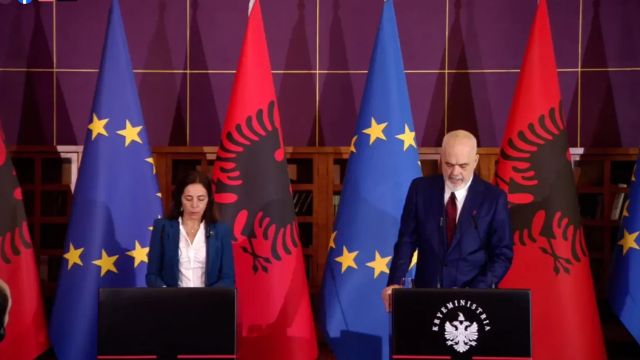
Rama kërcënon studentët në sy të Ambasadores se BE-së: I kanë bërë llogaritë gabim me mua!


Readers’ comments
These are readers’ own words, not the publishers’ and not Mosaic’s. Moderators read them; a comment that breaks the rules is hidden or removed.
No comments yet. Be the first to say something useful.