

Religion updated
Në lagjen Casavalle, Atë Pablo: me Papën, periferia bëhet zemër e Kishës
Reported by Vatican News – shqip 119 points Why this story ranks here
What happened
Compiled from the sources
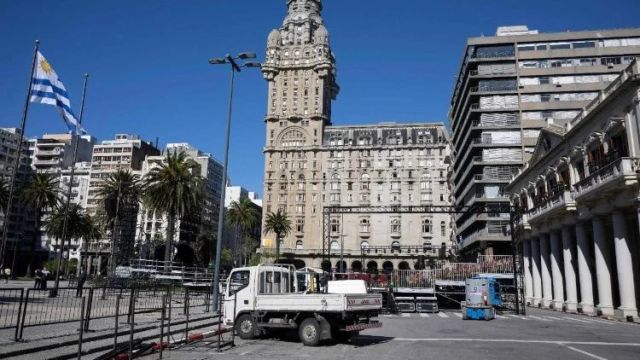
Më 7 nëntor, Leoni XIV do të vizitojë një nga lagjet më të varfra dhe më të pasigurta të Montevideos, një zonë ku varfëria dhe pasiguria janë pjesë e jetës së përditshme.
In the story's original language
An excerpt from Vatican News – shqip
Vatican News Një fëmijë, ndoshta pesë ose gjashtë vjeç, gris shirita nga një çarçaf i bardhë, i hedhur, dhe bën me të një mantel, me të cilin vrapon si i çmendur. Është një shkëndijë, një ikonë e freskët dhe ende e pavetëdijshme e një dëshire për shpengim. Në lagjen Borro, gjysmë ore larg qendrës së kryeqytetit, edhe shpengimi nga varfëria ekstreme e pasiguria rrezikon të zbehet në kohërat e errëta, që i mpijnë shqisat, duke të çuar në drogë, korrupsion dhe përtaci. Po të mos ishte famullia e Zojës së Guadalupës, një bastion shprese dhe përparimi shoqëror që kërkon të ngrejë pluhurin nga të vdekurit dhe të rivendosë kuptimin dhe energjinë fizike dhe shpirtërore! Këtu Papa do të ndalet pasditen e së shtunës, 7 nëntor, për të dëgjuar disa dëshmi nga lagjja, për të mbajtur një fjalim dhe për të bekuar disa shtëpi të reja, që janë pjesë e një projekti për rindërtimin mjedisor dhe moral të zonës të udhëhequr nga Kisha. Droga, dhuna dhe varfëria Disa gra janë të zëna duke dekoruar podiumin…
What is still uncertain
From Mosaic, not from a publisher
- So far only Vatican News – shqip reports this story on Mosaic, so there is no other coverage to compare it with.
How they headlined it
-
Vatican News – shqip Vatican City · publisher's date
Në lagjen Casavalle, Atë Pablo: me Papën, periferia bëhet zemër e Kishës
By Vatican News
Earliest report found by Mosaic
Më 7 nëntor, Leoni XIV do të vizitojë një nga lagjet më të varfra dhe më të pasigurta të Montevideos, një zonë ku varfëria dhe pasiguria janë pjesë e jetës së përditshme.
Compiled from the outlet's own words · In the story's original language

How we decide
From Mosaic, not from a publisher
An article's time is the date its publisher gives, when that is plausible: not in the future, and not more than 180 minutes before Mosaic found the article. Otherwise it is when Mosaic first saw it. "Earliest report found by Mosaic" is the one with the earliest time; it does not prove that its outlet published first.
An article is marked "Repeats another outlet's text" when its cleaned text is word for word the same as another article's in the story, or nearly the same (the two texts' SimHash fingerprints differ in at most 12 of 64 bits). Both texts must have at least 30 words, and the articles must be within 48 hours of each other. That does not say who took it from whom: it can be a news agency's text or a press release that several outlets published.
It is also marked when at least 50 % of the two texts' three-word sequences are shared (estimated with MinHash), as with a copy whose lead, footer or page elements differ.
A story leads with the eligible report with the highest current score, when every eligible report has one. Otherwise it leads with the earliest report found by Mosaic, which says nothing about its quality. Reports repeating another outlet's text and paid or organisation-issued articles are left out of the comparison.
Think one of these labels is wrong? Use "Contest this" beside it: staff look at every one.
A vote says whether a story deserves more or less prominence; it does not say whether it is true. If a story is false or misleading, report it instead. For now votes are collected and do not change the order of stories. How votes are used · Report it as false or misleading
Follow developments
This story cannot be followed on its own. Follow its topics and category, and the new stories about them appear under Following.
Other related stories
-
Related story

Religion
Leoni XIV në Casavalle: Kisha, shoqëria civile dhe shteti të bashkëpunojnë për të mirën e përbashkët
-
Related story
Politics
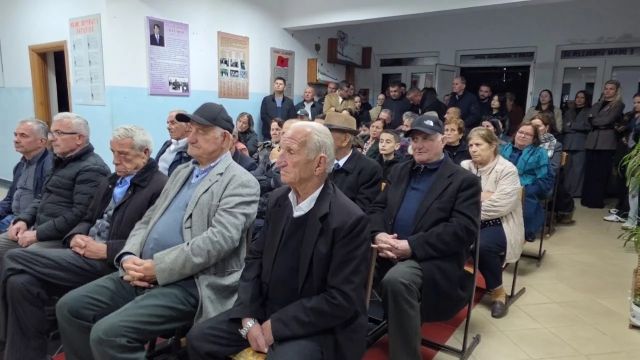
Bashkia Mat, dëgjesë publike në lagjen “Pjetër Budi”
-
Related story

Society
Pacolli e aktivizon “Pastrimin” përmes Inspektoratit për disa mbeturina në lagjen Kodrina të Prishtinës
-
Related story

Society
Cigarja e pronarit shkakton zjarr në Lezhë, disa banorë përfundojnë në spital


Readers’ comments
These are readers’ own words, not the publishers’ and not Mosaic’s. Moderators read them; a comment that breaks the rules is hidden or removed.
No comments yet. Be the first to say something useful.