

Society updated
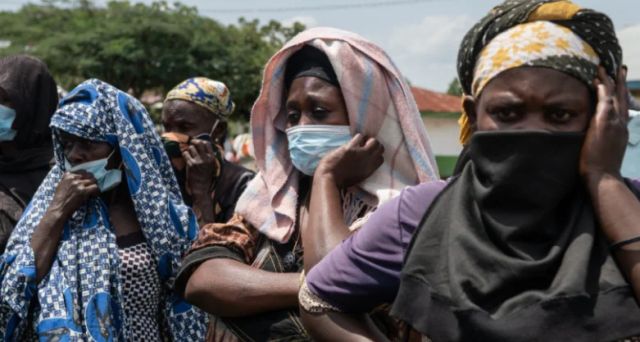
OKB paralajmëron: Në Kongo, 28.8 milionë njerëz përballen me mungesë ushqimi
What happened
Compiled from the sources
Më shumë se 28 milionë njerëz në Republikën Demokratike të Kongos nuk kanë ushqim të mjaftueshëm dhe numri i njerëzve që përballen me pasiguri akute
In the story's original language
An excerpt from Euronews Albania
Bota OKB paralajmëron: Në Kongo, 28.8 milionë njerëz përballen me mungesë ushqimi 30 Tetor 2026 | 20:46 Më shumë se 28 milionë njerëz në Republikën Demokratike të Kongos nuk kanë ushqim të mjaftueshëm dhe numri i njerëzve që përballen me pasiguri akute ushqimore pritet të rritet në muajt në vijim, thanë sot Kombet e Bashkuara, duke cituar të dhënat më të fundit nga Klasifikimi i Integruar i Fazave të Sigurisë Ushqimore (IPC). Rreth 28.8 milionë njerëz, ose 23 përqind e popullsisë së analizuar, do të përballen me një nivel të lartë pasigurie akute në furnizimin me ushqim deri në dhjetor, që korrespondon me fazën e tretë ose më të lartë në shkallën pesë-pikëshe të IPC-së, sipas njoftimit. Më shumë se 3.6 milionë njerëz janë në një situatë emergjence, pra në fazën e katërt. Kriza në Kongo është përkeqësuar nga konfliktet afatgjata në lindje të vendit, zhvendosja e popullsisë, përhapja e epidemisë së Ebolës, trazirat ekonomike, rritja e çmimeve të ushqimeve dhe karburantit, si dhe pasojat…
How they headlined it
- Albania (2)
-
Euronews Albania Albania · publisher's date
OKB paralajmëron: Në Kongo, 28.8 milionë njerëz përballen me mungesë ushqimi
By Suela Meno
Earliest report found by Mosaic
Më shumë se 28 milionë njerëz në Republikën Demokratike të Kongos nuk kanë ushqim të mjaftueshëm dhe numri i njerëzve që përballen me pasiguri akute
Compiled from the outlet's own words · In the story's original language
-
24 Orë Albania · publisher's date
OKB paralajmëron: Në Kongo, 28.8 milionë njerëz përballen me mungesë ushqimi
By Orë
Më shumë se 28 milionë njerëz në Republikën Demokratike të Kongos nuk kanë ushqim të mjaftueshëm dhe numri i njerëzve që përballen me pasiguri akute ushqimore pritet të rritet në muajt në vijim
Compiled from the outlet's own words · In the story's original language



The number says how many outlets cover it, not how many independent investigations there are. An article that repeats another outlet's text may come from a news agency or a press release. How we decide
How we decide
From Mosaic, not from a publisher
An article's time is the date its publisher gives, when that is plausible: not in the future, and not more than 180 minutes before Mosaic found the article. Otherwise it is when Mosaic first saw it. "Earliest report found by Mosaic" is the one with the earliest time; it does not prove that its outlet published first.
An article is marked "Repeats another outlet's text" when its cleaned text is word for word the same as another article's in the story, or nearly the same (the two texts' SimHash fingerprints differ in at most 12 of 64 bits). Both texts must have at least 30 words, and the articles must be within 48 hours of each other. That does not say who took it from whom: it can be a news agency's text or a press release that several outlets published.
It is also marked when at least 50 % of the two texts' three-word sequences are shared (estimated with MinHash), as with a copy whose lead, footer or page elements differ.
Think one of these labels is wrong? Use "Contest this" beside it: staff look at every one.
A vote says whether a story deserves more or less prominence; it does not say whether it is true. If a story is false or misleading, report it instead. For now votes are collected and do not change the order of stories. How votes are used · Report it as false or misleading
Follow developments
This story cannot be followed on its own. Follow its topics and category, and the new stories about them appear under Following.
Other related stories
-
Related story
Society
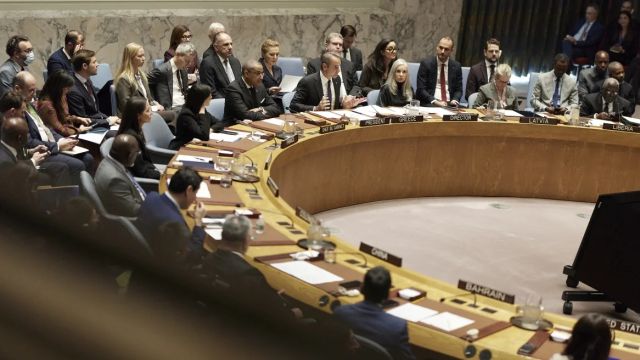
Gara për kreun e OKB-së/ Rebecca Greenspan thellon epërsinë, merr 11 vota pro në Këshillin e Sigurimit
-
Related story

Society
Selia e Shenjtë në OKB: eksplorimi i hapësirës të jetë në të mirë të të gjithë popujve
-
Related story
Society
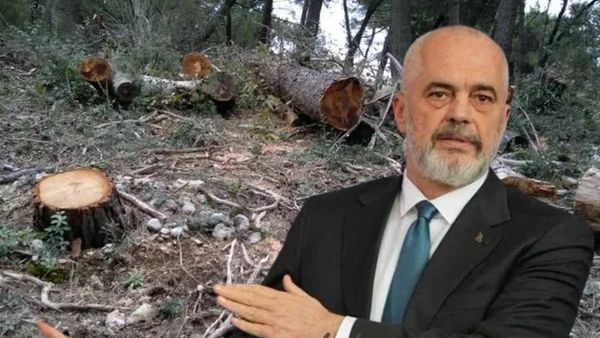
Raporti i OKB: 100 mijë hektarë pyje në Shqipëri “u zhdukën”


Readers’ comments
These are readers’ own words, not the publishers’ and not Mosaic’s. Moderators read them; a comment that breaks the rules is hidden or removed.
No comments yet. Be the first to say something useful.