

Society updated
Drafti i ri për Investimet nuk i shmang privilegjet për ‘miqtë e pushtetit’
What happened
Compiled from the sources
Projektligji i ri për Investimet, që shfuqizon ligjin kontrovers të investimeve strategjike, kritikohet se ruan në thelb të njëjtat mekanizma për përfitimet publike, por fut garën për investimet për tokën shtetërore.
In the story's original language
An excerpt from Reporter.al
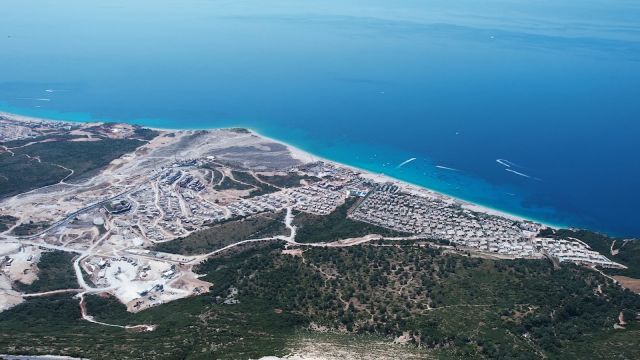
Ndaj në FacebookNdaj në Twitter Gjashtë fshatra turistikë me statusin e investimeve strategjike po garojnë me njëri tjetrin rreth e qark Deltës së Përroit të Palasës. Foto: Xhemali Moku/ BIRN. Një dekadë nga miratimi i ligjit për Investimet Strategjike, qeveria propozon një kuadër të ri ligjor që bashkon në një ligj të vetëm trajtimin e investitorëve vendas dhe të huaj, por që ruan mekanizmat dhe përfitimet e ligjit të mëparshëm. Projektligji “Për Investimet” i publikuar në platformën e konsultimit publik, shfuqizon ligjin për Investimet Strategjike të vitit 2015 dhe atë për Investimet e Huaja të vitit 1993, por nuk heq dorë nga instrumentet që i mundësojnë shtetit të mbështesë projekte private përmes pronave publike, infrastrukturës dhe lehtësimit të procedurave administrative dhe vënies në dispozicion të brigjeve të detit. I kritikuar shpesh nga institucionet e BE si një ligj favorizues për një grup njerëzish afër qeverisë, ligji për Investimet strategjike është në fuqi deri në fund…
What is still uncertain
From Mosaic, not from a publisher
- So far only Reporter.al reports this story on Mosaic, so there is no other coverage to compare it with.
How they headlined it
-
Reporter.al Albania · when Mosaic first saw it
Drafti i ri për Investimet nuk i shmang privilegjet për ‘miqtë e pushtetit’
Earliest report found by Mosaic
Projektligji i ri për Investimet, që shfuqizon ligjin kontrovers të investimeve strategjike, kritikohet se ruan në thelb të njëjtat mekanizma për përfitimet publike, por fut garën për investimet për tokën shtetërore.
Compiled from the outlet's own words · In the story's original language
Publisher's date:

How we decide
From Mosaic, not from a publisher
An article's time is the date its publisher gives, when that is plausible: not in the future, and not more than 180 minutes before Mosaic found the article. Otherwise it is when Mosaic first saw it. "Earliest report found by Mosaic" is the one with the earliest time; it does not prove that its outlet published first.
An article is marked "Repeats another outlet's text" when its cleaned text is word for word the same as another article's in the story, or nearly the same (the two texts' SimHash fingerprints differ in at most 12 of 64 bits). Both texts must have at least 30 words, and the articles must be within 48 hours of each other. That does not say who took it from whom: it can be a news agency's text or a press release that several outlets published.
It is also marked when at least 50 % of the two texts' three-word sequences are shared (estimated with MinHash), as with a copy whose lead, footer or page elements differ.
Think one of these labels is wrong? Use "Contest this" beside it: staff look at every one.
A vote says whether a story deserves more or less prominence; it does not say whether it is true. If a story is false or misleading, report it instead. For now votes are collected and do not change the order of stories. How votes are used · Report it as false or misleading
Follow developments
This story cannot be followed on its own. Follow its topics and category, and the new stories about them appear under Following.
Other related stories
-
Related story
Society
Devijimi i paqartë në rrugën drejt qendrës po shkakton tollovi, qytetarët kërkojnë sinjalistikë më profesionale
-
Related story

Society
Hoxha e quan “morale” dorëheqjen nga pozita e drejtorit të Policisë
-
Related story

Society
Draft-kuadri SHBA–Iran: uraniumi jashtë vendit ose i holluar, Hormuzi rihapet brenda 7 ditësh


Readers’ comments
These are readers’ own words, not the publishers’ and not Mosaic’s. Moderators read them; a comment that breaks the rules is hidden or removed.
No comments yet. Be the first to say something useful.