

Society updated
Papa: në shoqërinë e sotme, dashuria bamirëse u rikthen njerëzve dinjitetin
What happened
Compiled from the sources
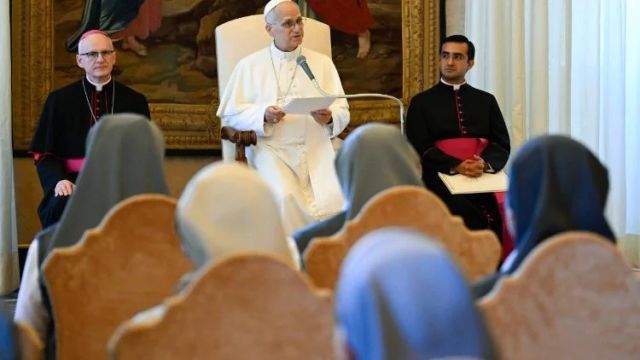
Në audiencën me Motrat e Bamirësisë, Leoni XIV ndalet te trashëgimia e themelueses së tyre, Shën Giovanna Antida Thouret, e cila e vendosi Krishtin në qendër të jetës, duke iu kushtuar të varfërve, të sëmurëve dhe më të braktisurve.
In the story's original language
An excerpt from Vatican News – shqip
Vatican News Me rrënjë në Krishtin dhe plot vëmendje «ndaj së mirës së plotë, shpirtërore dhe materiale, të të afërmit»: kështu Motrat e Bamirësisë së Shën Giovanna Antida Thouret ndjekin gjurmët e themelueses së tyre, e cila jetoi sipas këshillave ungjillore, ndërmjet shekujve XVIII dhe XIX, duke iu kushtuar të varfërve, të sëmurëve dhe më të braktisurve. Këtë nënvizoi Papa Leoni XIV gjatë audiencës së sotme, më 26 tetor, në Sallën e Koncistorit të Pallatit Apostolik, me delegatet e Kapitullit të Përgjithshëm, të cilat kanë rizgjedhur në detyrën e eprores së institutit rregulltar motër Maria Rosa Muscarella, për mandatin e saj të dytë, si edhe kanë reflektuar mbi temën «Në Krishtin rrënjët, në botë misioni». [ Photo Embed: ] Të përhapet përmasa e dashurisë bamirëse Në fjalën e tij, Papa u ndal veçanërisht në kujdesin “për të mirën e plotë, shpirtërore dhe materiale, të të afërmit», pjesë e «trashëgimisë karizmatike» të Giovanna Antida Thouret, së cilës i kremtohet këtë vit…
What is still uncertain
From Mosaic, not from a publisher
- So far only Vatican News – shqip reports this story on Mosaic, so there is no other coverage to compare it with.
How they headlined it
-
Vatican News – shqip Vatican City · when Mosaic first saw it
Papa: në shoqërinë e sotme, dashuria bamirëse u rikthen njerëzve dinjitetin
By Vatican News
Earliest report found by Mosaic
Në audiencën me Motrat e Bamirësisë, Leoni XIV ndalet te trashëgimia e themelueses së tyre, Shën Giovanna Antida Thouret, e cila e vendosi Krishtin në qendër të jetës, duke iu kushtuar të varfërve, të sëmurëve dhe më të braktisurve.
Compiled from the outlet's own words · In the story's original language
Publisher's date:

How we decide
From Mosaic, not from a publisher
An article's time is the date its publisher gives, when that is plausible: not in the future, and not more than 180 minutes before Mosaic found the article. Otherwise it is when Mosaic first saw it. "Earliest report found by Mosaic" is the one with the earliest time; it does not prove that its outlet published first.
An article is marked "Repeats another outlet's text" when its cleaned text is word for word the same as another article's in the story, or nearly the same (the two texts' SimHash fingerprints differ in at most 12 of 64 bits). Both texts must have at least 30 words, and the articles must be within 48 hours of each other. That does not say who took it from whom: it can be a news agency's text or a press release that several outlets published.
It is also marked when at least 50 % of the two texts' three-word sequences are shared (estimated with MinHash), as with a copy whose lead, footer or page elements differ.
Think one of these labels is wrong? Use "Contest this" beside it: staff look at every one.
A vote says whether a story deserves more or less prominence; it does not say whether it is true. If a story is false or misleading, report it instead. For now votes are collected and do not change the order of stories. How votes are used · Report it as false or misleading
Follow developments
This story cannot be followed on its own. Follow its topics and category, and the new stories about them appear under Following.
Other related stories
-
Related story
Society
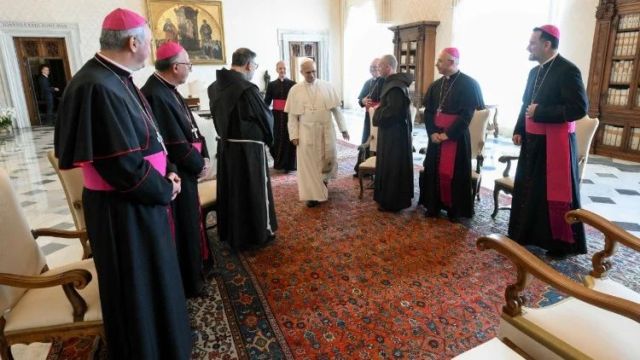
Ipeshkvijtë e administratorët apostolikë të Kishës Katolike në Shqipëri te Papa Leoni XIV
-
Related story
Society
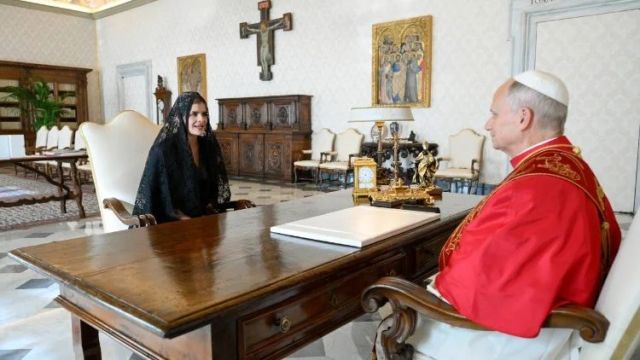
Papa Leoni XIV pret në audiencë presidenten e Republikës së Kosta Rikës
-
Related story
Society
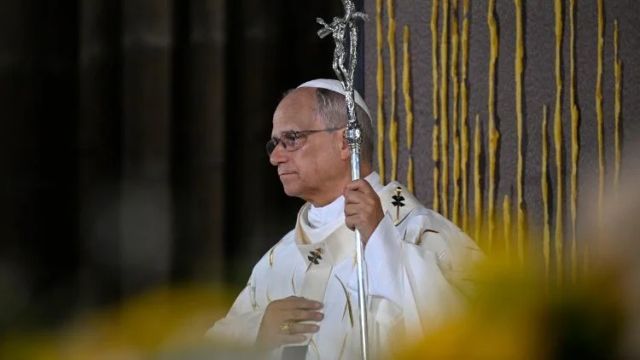
Kalendari i kremtimeve, që do të kryesohen nga Papa në nëntor dhe dhjetor
-
Related story
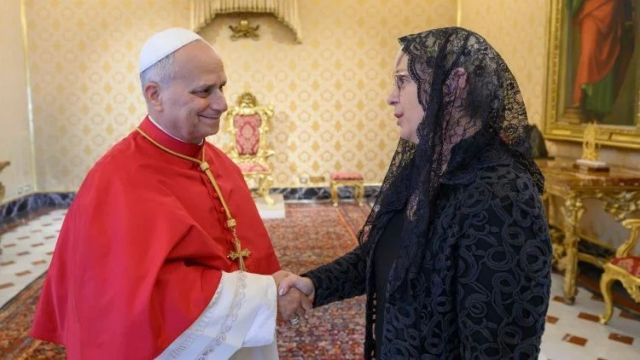
Society
Papa Leoni XIV priti në audiencë presidenten e Sllovenisë


Readers’ comments
These are readers’ own words, not the publishers’ and not Mosaic’s. Moderators read them; a comment that breaks the rules is hidden or removed.
No comments yet. Be the first to say something useful.