

Society updated
Halloween-i, nata më e frikshme e vitit! Nga origjina e lashtë kelte te kungujt dhe kostumet
What happened
Compiled from the sources
Çdo vit, më 31 tetor, miliona njerëz në mbarë botën festojnë Halloween-in, një festë që shoqërohet me kostume të frikshme,
In the story's original language
An excerpt from Gijotina
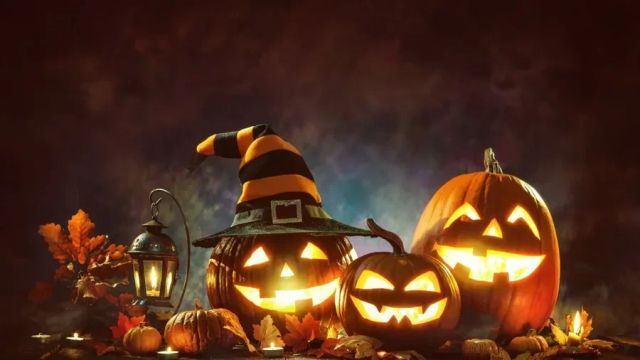
Çdo vit, më 31 tetor, miliona njerëz në mbarë botën festojnë Halloween-in, një festë që shoqërohet me kostume të frikshme, maska, kunguj të gdhendur dhe dekorime me fantazma. Megjithëse sot njihet kryesisht si një rast për argëtim, kjo traditë ka një histori mijëravjeçare, të lidhur me besimet e lashta dhe ritualet e ndryshimit të stinëve. Halloween-i është një nga festat më të njohura të vjeshtës, e cila kremtohet çdo vit më 31 tetor. Kostumet e pazakonta, dekorimet me figura të frikshme dhe fëmijët që trokasin në dyert e shtëpive për të kërkuar ëmbëlsira janë kthyer në simbolet kryesore të kësaj dite. Festa është veçanërisht e përhapur në Shtetet e Bashkuara të Amerikës, Kanada, Irlandë dhe Mbretërinë e Bashkuar. Megjithatë, gjatë dekadave të fundit, Halloween-i ka fituar popullaritet edhe në shumë vende të tjera, duke u shndërruar në një traditë me përmasa ndërkombëtare. Por përtej atmosferës festive dhe argëtimit, Halloween-i mbart një histori që nis më shumë se dy mijë vjet më…
What is still uncertain
From Mosaic, not from a publisher
- So far only Gijotina reports this story on Mosaic, so there is no other coverage to compare it with.
How they headlined it
-
Gijotina Albania · publisher's date
Halloween-i, nata më e frikshme e vitit! Nga origjina e lashtë kelte te kungujt dhe kostumet
Earliest report found by Mosaic
Çdo vit, më 31 tetor, miliona njerëz në mbarë botën festojnë Halloween-in, një festë që shoqërohet me kostume të frikshme,
Compiled from the outlet's own words · In the story's original language

How we decide
From Mosaic, not from a publisher
An article's time is the date its publisher gives, when that is plausible: not in the future, and not more than 180 minutes before Mosaic found the article. Otherwise it is when Mosaic first saw it. "Earliest report found by Mosaic" is the one with the earliest time; it does not prove that its outlet published first.
An article is marked "Repeats another outlet's text" when its cleaned text is word for word the same as another article's in the story, or nearly the same (the two texts' SimHash fingerprints differ in at most 12 of 64 bits). Both texts must have at least 30 words, and the articles must be within 48 hours of each other. That does not say who took it from whom: it can be a news agency's text or a press release that several outlets published.
It is also marked when at least 50 % of the two texts' three-word sequences are shared (estimated with MinHash), as with a copy whose lead, footer or page elements differ.
Think one of these labels is wrong? Use "Contest this" beside it: staff look at every one.
A vote says whether a story deserves more or less prominence; it does not say whether it is true. If a story is false or misleading, report it instead. For now votes are collected and do not change the order of stories. How votes are used · Report it as false or misleading
Follow developments
This story cannot be followed on its own. Follow its topics and category, and the new stories about them appear under Following.
Other related stories
-
Related story
Society
Halloween, “Nata e Shtrigave”: Cila është origjina dhe çfarë simbolizon kjo festë?
-
Related story
Society
Kostume Halloween-i që frymëzojnë nga teknologjia: Nëntë ide origjinale për festën e frikshme
-
Related story
Society
Trump dhe Melania festojnë Halloween-in në Shtëpinë e Bardhë, shpërndajnë ëmbëlsira për fëmijët, Air Force One surprizon të pranishmit
-
Related story

Society
Rama ironizon protestën poshtë zyrës së tij: “Shiu i Halloween”


Readers’ comments
These are readers’ own words, not the publishers’ and not Mosaic’s. Moderators read them; a comment that breaks the rules is hidden or removed.
No comments yet. Be the first to say something useful.