

Society updated
Halloween, “Nata e Shtrigave”: Cila është origjina dhe çfarë simbolizon kjo festë?
What happened
Compiled from the sources
E festuar më 31 tetor në shumë vende të botës, Halloween ka rrënjë në traditat e lashta kelte dhe ndërthur elemente pagane me traditat e krishtera.
In the story's original language
An excerpt from albinfo.ch
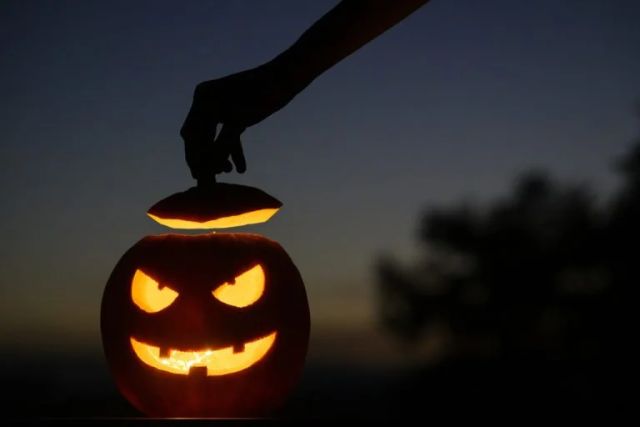
Më 31 tetor, në shumë vende të botës festohet Halloween, e njohur te ne edhe si “Nata e Shtrigave”. Por, përtej kostumeve të frikshme, maskave dhe dekorimeve me kunguj, kjo festë ka një histori të gjatë dhe tradita që datojnë mijëra vjet më parë, përcjell albinfo.ch. Origjina e Halloween-it lidhet me festivalin e lashtë kelt Samhain, i cili shënonte fundin e verës dhe të sezonit të korrjeve, si dhe fillimin e dimrit. Keltët besonin se në këtë natë kufiri mes botës së të gjallëve dhe asaj të të vdekurve bëhej më i hollë, duke u mundësuar shpirtrave të ktheheshin mes njerëzve. Sipas besimeve të asaj kohe, shpirtrat mund të shkaktonin trazira ose të sillnin fat të keq. Për t’i larguar, njerëzit ndiznin zjarre dhe vishnin kostume e maska, me shpresën se do të fshiheshin prej tyre ose do t’i trembnin. Një tjetër traditë e lidhur me këtë periudhë ishte vendosja e ushqimeve dhe ëmbëlsirave si ofertë për shpirtrat. Kjo praktikë shihet si një nga pararendëset e zakonit të sotëm…
What is still uncertain
From Mosaic, not from a publisher
- Mosaic is not sure that every article is about the same event; the grouping is waiting for a check.
- So far only albinfo.ch reports this story on Mosaic, so there is no other coverage to compare it with.
How they headlined it
-
albinfo.ch Switzerland · publisher's date
Halloween, “Nata e Shtrigave”: Cila është origjina dhe çfarë simbolizon kjo festë?
By Drin Reçica
Earliest report found by Mosaic
E festuar më 31 tetor në shumë vende të botës, Halloween ka rrënjë në traditat e lashta kelte dhe ndërthur elemente pagane me traditat e krishtera.
Compiled from the outlet's own words · In the story's original language

How we decide
From Mosaic, not from a publisher
An article's time is the date its publisher gives, when that is plausible: not in the future, and not more than 180 minutes before Mosaic found the article. Otherwise it is when Mosaic first saw it. "Earliest report found by Mosaic" is the one with the earliest time; it does not prove that its outlet published first.
An article is marked "Repeats another outlet's text" when its cleaned text is word for word the same as another article's in the story, or nearly the same (the two texts' SimHash fingerprints differ in at most 12 of 64 bits). Both texts must have at least 30 words, and the articles must be within 48 hours of each other. That does not say who took it from whom: it can be a news agency's text or a press release that several outlets published.
It is also marked when at least 50 % of the two texts' three-word sequences are shared (estimated with MinHash), as with a copy whose lead, footer or page elements differ.
Think one of these labels is wrong? Use "Contest this" beside it: staff look at every one.
A vote says whether a story deserves more or less prominence; it does not say whether it is true. If a story is false or misleading, report it instead. For now votes are collected and do not change the order of stories. How votes are used · Report it as false or misleading
Follow developments
This story cannot be followed on its own. Follow its topics and category, and the new stories about them appear under Following.
Other related stories
-
Related story
Society
Halloween-i, nata më e frikshme e vitit! Nga origjina e lashtë kelte te kungujt dhe kostumet
-
Related story

Society
Kostume Halloween-i që frymëzojnë nga teknologjia: Nëntë ide origjinale për festën e frikshme
-
Related story
Society
Shpenzoi 10 mijë euro për të dekoruar shtëpinë për Halloween, por përfundon në konflikt me bashkinë
-
Related story
Society
Pse festohet Halloween më 31 tetor? Legjenda e frikshme që i dha jetë traditës


Readers’ comments
These are readers’ own words, not the publishers’ and not Mosaic’s. Moderators read them; a comment that breaks the rules is hidden or removed.
No comments yet. Be the first to say something useful.