

Society updated
Sulm i dyshuar kibernetik në Evropë, frigoriferët e supermarketeve arrijnë deri në 50 gradë
Reported by albinfo.ch 295 points Why this story ranks here
What happened
Compiled from the sources
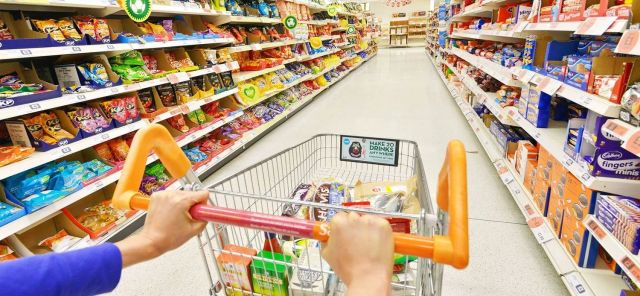
Dhjetëra supermarkete në disa vende evropiane janë përballur me probleme në sistemet e ftohjes, duke shkaktuar dëmtimin e produkteve ushqimore dhe humbje financiare.
In the story's original language
An excerpt from albinfo.ch
Një valë e re sulmesh të dyshuara kibernetike ka goditur sistemet e ftohjes në dhjetëra supermarkete në disa vende evropiane, duke bërë që temperaturat e frigoriferëve dhe ngrirësve të rriten në mënyrë të papritur, përcjell albinfo.ch. Incidentet janë raportuar të hënën, më 2 nëntor, në Belgjikë, Suedi, Luksemburg, Irlandë dhe Estoni, ndërsa probleme të ngjashme janë evidentuar edhe në vende të tjera evropiane. Në disa raste, temperaturat e pajisjeve frigoriferike kanë arritur deri në 50 gradë Celsius, duke detyruar supermarketet të largojnë ose të asgjësojnë produkte ushqimore që nuk mund të ruheshin më në kushte të sigurta. Në Belgjikë, rrjeti Delhaize ka konfirmuar se rreth 40 dyqane janë prekur nga një incident informatik, ndërsa Carrefour ka raportuar probleme në 15 pika shitjeje. Probleme të ngjashme janë shfaqur edhe në Suedi, ku rrjetet ICA dhe Coop kanë raportuar rritje të pazakonta të temperaturave në sistemet e ftohjes. Në Irlandë, rrjeti SuperValu ka njoftuar se 13 dyqane…
What is still uncertain
From Mosaic, not from a publisher
- So far only albinfo.ch reports this story on Mosaic, so there is no other coverage to compare it with.
How they headlined it
-
albinfo.ch Switzerland · publisher's date
Sulm i dyshuar kibernetik në Evropë, frigoriferët e supermarketeve arrijnë deri në 50 gradë
By Albinfo.ch
Earliest report found by Mosaic
Dhjetëra supermarkete në disa vende evropiane janë përballur me probleme në sistemet e ftohjes, duke shkaktuar dëmtimin e produkteve ushqimore dhe humbje financiare.
Compiled from the outlet's own words · In the story's original language

How we decide
From Mosaic, not from a publisher
An article's time is the date its publisher gives, when that is plausible: not in the future, and not more than 180 minutes before Mosaic found the article. Otherwise it is when Mosaic first saw it. "Earliest report found by Mosaic" is the one with the earliest time; it does not prove that its outlet published first.
An article is marked "Repeats another outlet's text" when its cleaned text is word for word the same as another article's in the story, or nearly the same (the two texts' SimHash fingerprints differ in at most 12 of 64 bits). Both texts must have at least 30 words, and the articles must be within 48 hours of each other. That does not say who took it from whom: it can be a news agency's text or a press release that several outlets published.
It is also marked when at least 50 % of the two texts' three-word sequences are shared (estimated with MinHash), as with a copy whose lead, footer or page elements differ.
Think one of these labels is wrong? Use "Contest this" beside it: staff look at every one.
A vote says whether a story deserves more or less prominence; it does not say whether it is true. If a story is false or misleading, report it instead. For now votes are collected and do not change the order of stories. How votes are used · Report it as false or misleading
Follow developments
This story cannot be followed on its own. Follow its topics and category, and the new stories about them appear under Following.
Other related stories
-
Related story
Society
Supermarketet evropiane nën sulm kibernetik, në shënjestër të hakerëve sistemet e frigoriferëve
-
Related story
Society
Supermarketet evropiane nën sulm kibernetik, në shënjestër të hakerëve sistemet e frigoriferëve
-
Related story

Society
Kërkohet paraburgim ndaj një personi në Ferizaj, dyshohet se sulmoi fizikisht mjekun kujdestar në QKMF
-
Related story

Society
Bujku sulmohet brutalisht në Afrikën e Jugut, ia presin veshët


Readers’ comments
These are readers’ own words, not the publishers’ and not Mosaic’s. Moderators read them; a comment that breaks the rules is hidden or removed.
No comments yet. Be the first to say something useful.