

Society updated
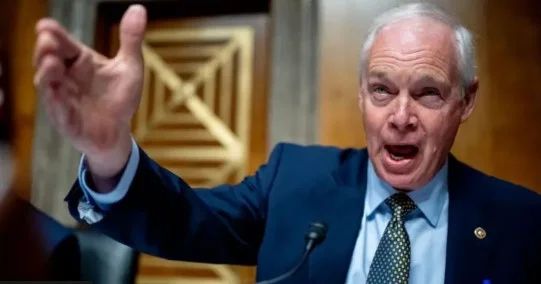
Senatori republikan Ron Johnson pranon humbjet në zgjedhje: Një mbrëmje aspak e mirë për partinë
Reported by Euronews Albania 284 points Why this story ranks here
What happened
Compiled from the sources
Senatori republikan Ron Johnson ka komentuar rezultatet e zgjedhjeve të mesit të mandatit në SHBA, duke e cilësuar mbrëmjen si një periudhë të vështirë
In the story's original language
An excerpt from Euronews Albania
Bota Senatori republikan Ron Johnson pranon humbjet në zgjedhje: Një mbrëmje aspak e mirë për partinë 4 Nëntor 2026 | 09:34 Senatori republikan Ron Johnson ka komentuar rezultatet e zgjedhjeve të mesit të mandatit në SHBA, duke e cilësuar mbrëmjen si një periudhë të vështirë për Partinë Republikane. Johnson, i cili përfaqëson Wisconsinin në Senatin amerikan që prej vitit 2011 dhe nuk ishte kandidat për rizgjedhje në këto zgjedhje, tha në një dalje televizive se situata për republikanët ishte “jo e mirë, aspak e mirë”. Ai theksoi se lufta në Iran dhe, veçanërisht, rritja e çmimeve të karburantit kanë ndikuar në perceptimin e votuesve ndaj administratës amerikane. I pyetur nëse presidenti Donald Trump mban përgjegjësi për humbjet e republikanëve, Johnson u shpreh se zgjedhjet e mesmandatit tradicionalisht shërbejnë si një vlerësim për administratën në pushtet. Megjithatë, senatori mbrojti disa prej politikave të Trumpit, duke përmendur kontrollin e kufirit dhe përpjekjet për frenimin e…
What is still uncertain
From Mosaic, not from a publisher
- So far only Euronews Albania reports this story on Mosaic, so there is no other coverage to compare it with.
How they headlined it
-
Euronews Albania Albania · publisher's date
Senatori republikan Ron Johnson pranon humbjet në zgjedhje: Një mbrëmje aspak e mirë për partinë
By Elidona Aga
Earliest report found by Mosaic
Senatori republikan Ron Johnson ka komentuar rezultatet e zgjedhjeve të mesit të mandatit në SHBA, duke e cilësuar mbrëmjen si një periudhë të vështirë
Compiled from the outlet's own words · In the story's original language

How we decide
From Mosaic, not from a publisher
An article's time is the date its publisher gives, when that is plausible: not in the future, and not more than 180 minutes before Mosaic found the article. Otherwise it is when Mosaic first saw it. "Earliest report found by Mosaic" is the one with the earliest time; it does not prove that its outlet published first.
An article is marked "Repeats another outlet's text" when its cleaned text is word for word the same as another article's in the story, or nearly the same (the two texts' SimHash fingerprints differ in at most 12 of 64 bits). Both texts must have at least 30 words, and the articles must be within 48 hours of each other. That does not say who took it from whom: it can be a news agency's text or a press release that several outlets published.
It is also marked when at least 50 % of the two texts' three-word sequences are shared (estimated with MinHash), as with a copy whose lead, footer or page elements differ.
A story leads with the eligible report with the highest current score, when every eligible report has one. Otherwise it leads with the earliest report found by Mosaic, which says nothing about its quality. Reports repeating another outlet's text and paid or organisation-issued articles are left out of the comparison.
Think one of these labels is wrong? Use "Contest this" beside it: staff look at every one.
A vote says whether a story deserves more or less prominence; it does not say whether it is true. If a story is false or misleading, report it instead. For now votes are collected and do not change the order of stories. How votes are used · Report it as false or misleading
Follow developments
This story cannot be followed on its own. Follow its topics and category, and the new stories about them appear under Following.
Other related stories
-
Related story

Society
Senatori republikan i Alaskës, Dan Sullivan, u bën thirrje njerëzve të votojnë për “Dan Sullivanin e duhur”
-
Related story
Society
Pete Ricketts rizgjidhet në Nebraska dhe mban vendin e Senatit për republikanët, mund sfiduesin e pavarur Dan Osborn
-
Related story

Society
Tommy Tuberville zgjidhet guvernator i Alabamës dhe mund Doug Jones në rimatch-in e vitit 2020, republikanët mbajnë shtetin
-
Related story
Society
Demokrati Jon Ossoff rizgjidhet senator në Xhorxhia, mund Collinsin


Readers’ comments
These are readers’ own words, not the publishers’ and not Mosaic’s. Moderators read them; a comment that breaks the rules is hidden or removed.
No comments yet. Be the first to say something useful.