

Science and technology updated
Sulm kibernetik ndaj bankës franceze, mediat raportojnë humbje prej 118 milionë eurosh, banka thotë se incidenti është nën kontroll
Reported by BalkanWeb 142 points Why this story ranks here
What happened
Compiled from the sources
Sulm kibernetik ndaj bankës franceze, mediat raportojnë humbje prej 118 milionë eurosh, banka thotë se incidenti është nën kontroll
In the story's original language
An excerpt from BalkanWeb
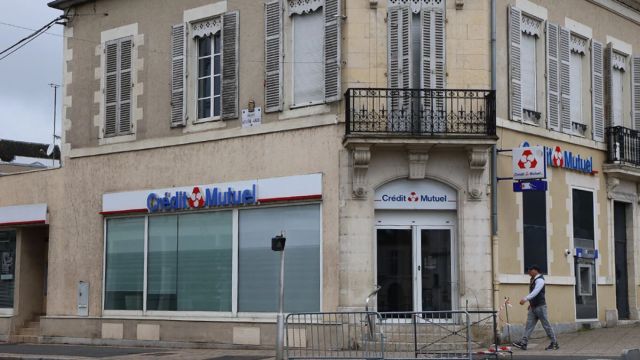
Banka franceze Crédit Mutuel Arkéa është goditur nga një sulm kibernetik, i cili ka mundësuar kryerjen e transaksioneve mashtruese, me humbje që sipas mediave franceze arrijnë në rreth 118 milionë euro. Institucioni financiar konfirmoi të martën se kishte zbuluar incidentin, duke bërë të ditur se situata tashmë është vënë nën kontroll. Banka siguroi gjithashtu se sulmi nuk do të ketë pasoja financiare për klientët e saj. Sipas gazetës franceze Le Télégramme, dëmi financiar i shkaktuar nga sulmi vlerësohet në 133 milionë dollarë, ose rreth 118 milionë euro. Ngjarja u bë publike pas denoncimit nga ZachXBT, një studiues amerikan i sigurisë kibernetike, i njohur për hetimet mbi transaksionet me kriptomonedha dhe gjurmimin e aktiviteteve të dyshimta financiare. Dy ditë më parë, ai njoftoi se një subjekt i Bashkimit Evropian dyshohej se kishte humbur rreth 106 milionë dollarë. Të martën, studiuesi bëri të ditur se kishte identifikuar edhe tërheqje të tjera, me vlerë mbi 27 milionë dollarë…
What is still uncertain
From Mosaic, not from a publisher
- So far only BalkanWeb reports this story on Mosaic, so there is no other coverage to compare it with.
How they headlined it
-
BalkanWeb Albania · when Mosaic first saw it
Sulm kibernetik ndaj bankës franceze, mediat raportojnë humbje prej 118 milionë eurosh, banka thotë se incidenti është nën kontroll
Earliest report found by Mosaic
Sulm kibernetik ndaj bankës franceze, mediat raportojnë humbje prej 118 milionë eurosh, banka thotë se incidenti është nën kontroll
Compiled from the outlet's own words · In the story's original language

How we decide
From Mosaic, not from a publisher
An article's time is the date its publisher gives, when that is plausible: not in the future, and not more than 180 minutes before Mosaic found the article. Otherwise it is when Mosaic first saw it. "Earliest report found by Mosaic" is the one with the earliest time; it does not prove that its outlet published first.
An article is marked "Repeats another outlet's text" when its cleaned text is word for word the same as another article's in the story, or nearly the same (the two texts' SimHash fingerprints differ in at most 12 of 64 bits). Both texts must have at least 30 words, and the articles must be within 48 hours of each other. That does not say who took it from whom: it can be a news agency's text or a press release that several outlets published.
It is also marked when at least 50 % of the two texts' three-word sequences are shared (estimated with MinHash), as with a copy whose lead, footer or page elements differ.
A story leads with the eligible report with the highest current score, when every eligible report has one. Otherwise it leads with the earliest report found by Mosaic, which says nothing about its quality. Reports repeating another outlet's text and paid or organisation-issued articles are left out of the comparison.
Think one of these labels is wrong? Use "Contest this" beside it: staff look at every one.
A vote says whether a story deserves more or less prominence; it does not say whether it is true. If a story is false or misleading, report it instead. For now votes are collected and do not change the order of stories. How votes are used · Report it as false or misleading
Follow developments
This story cannot be followed on its own. Follow its topics and category, and the new stories about them appear under Following.
Other related stories
-
Related story

Society
Sulm kibernetik ndaj bankës së gjakut në Francë, hakerët tentuan të ngrohnin mostrat në 110°C
-
Related story
Society
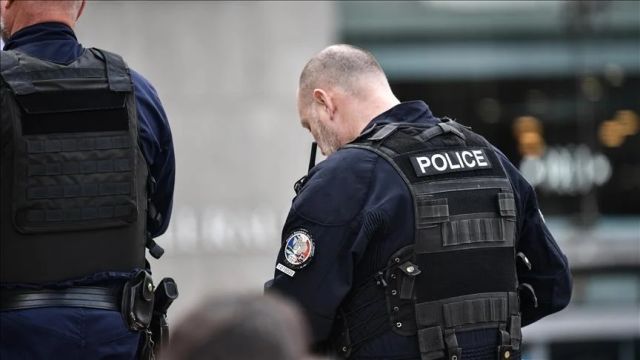
Sulm kibernetik ndaj bankës së gjakut në Francë/ Hakerat ndryshojnë temperaturën nga -30 në 110 gradë Celsius, rrezikohet plazma për transfuzione
-
Related story
Society
Sulm kibernetik ndaj bankës së gjakut në Francë, hakerët tentuan të ngrohnin mostrat në 110°C
-
Related story
Society
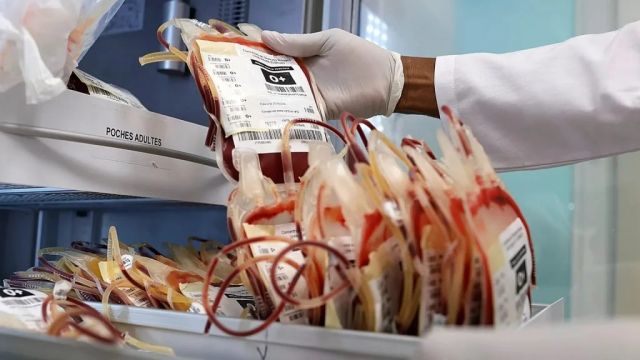
FRANCË – Sulm kibernetik ndaj bankës së gjakut, manipulohen sistemet e ftohjes


Readers’ comments
These are readers’ own words, not the publishers’ and not Mosaic’s. Moderators read them; a comment that breaks the rules is hidden or removed.
No comments yet. Be the first to say something useful.