

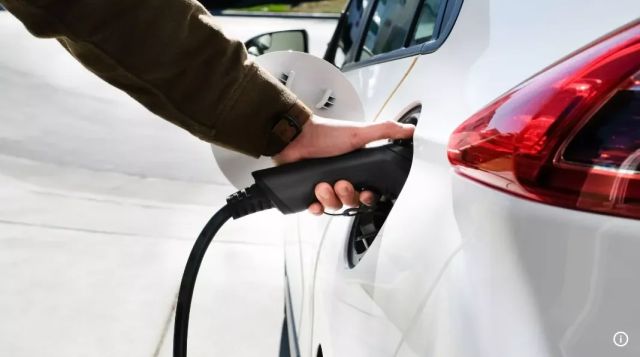
Environment updated
Makinat elektrike, 11.5 milionë euro për stacione karikimi çdo 60 km në rrugët kryesore
Reported by Ekofin 33 points Why this story ranks here
What happened
Compiled from the sources
Shqipëria planifikon zgjerimin e rrjetit të karikimit për automjetet elektrike, me stacione të shpejta çdo 60 kilometra
In the story's original language
An excerpt from Ekofin
Shqipëria planifikon zgjerimin e rrjetit të karikimit për automjetet elektrike, me stacione të shpejta çdo 60 kilometra në korridoret kryesore rrugore dhe çdo 100 kilometra në rrjetin gjithëpërfshirës të transportit. Strategjia Sektoriale e Transportit dhe Plani i Veprimit 2030 parashikon 11.5 milionë euro për zhvillimin e infrastrukturës së karburanteve alternative gjatë periudhës 2027–2031, krahas hartimit të politikave të reja për nxitjen e automjeteve me emetime të ulëta ose zero. Investimi synon të përmirësojë mundësitë e përdorimit të makinave elektrike për udhëtime në distanca të gjata, në një kohë kur infrastruktura ekzistuese e karikimit mbetet e fragmentuar dhe e përqendruar kryesisht në zonat urbane. Strategjia tregon se prania e automjeteve me emetime të ulëta ose zero në Shqipëri mbetet e kufizuar, ndërsa transporti është sektori me rritjen më të shpejtë të emetimeve të gazeve serrë. Për të ndryshuar këtë situatë, qeveria synon zhvillimin e infrastrukturës së karikimit në…
What is still uncertain
From Mosaic, not from a publisher
- So far only Ekofin reports this story on Mosaic, so there is no other coverage to compare it with.
How they headlined it
-
Ekofin Albania · publisher's date
Makinat elektrike, 11.5 milionë euro për stacione karikimi çdo 60 km në rrugët kryesore
Earliest report found by Mosaic
Shqipëria planifikon zgjerimin e rrjetit të karikimit për automjetet elektrike, me stacione të shpejta çdo 60 kilometra
Compiled from the outlet's own words · In the story's original language

How we decide
From Mosaic, not from a publisher
An article's time is the date its publisher gives, when that is plausible: not in the future, and not more than 180 minutes before Mosaic found the article. Otherwise it is when Mosaic first saw it. "Earliest report found by Mosaic" is the one with the earliest time; it does not prove that its outlet published first.
An article is marked "Repeats another outlet's text" when its cleaned text is word for word the same as another article's in the story, or nearly the same (the two texts' SimHash fingerprints differ in at most 12 of 64 bits). Both texts must have at least 30 words, and the articles must be within 48 hours of each other. That does not say who took it from whom: it can be a news agency's text or a press release that several outlets published.
It is also marked when at least 50 % of the two texts' three-word sequences are shared (estimated with MinHash), as with a copy whose lead, footer or page elements differ.
A story leads with the eligible report with the highest current score, when every eligible report has one. Otherwise it leads with the earliest report found by Mosaic, which says nothing about its quality. Reports repeating another outlet's text and paid or organisation-issued articles are left out of the comparison.
Think one of these labels is wrong? Use "Contest this" beside it: staff look at every one.
A vote says whether a story deserves more or less prominence; it does not say whether it is true. If a story is false or misleading, report it instead. For now votes are collected and do not change the order of stories. How votes are used · Report it as false or misleading
Follow developments
This story cannot be followed on its own. Follow its topics and category, and the new stories about them appear under Following.
Other related stories
-
Related story
Society
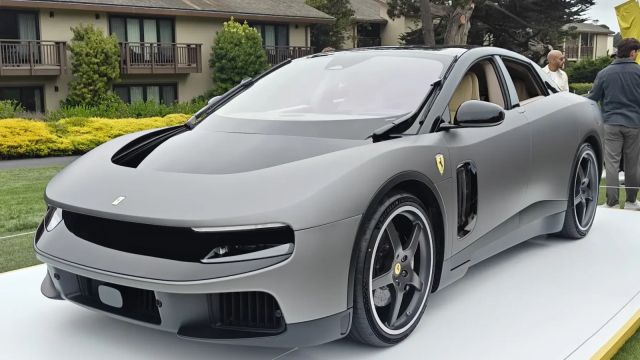
Ferrari Luce, makina e parë elektrike e markës, është shitur e gjitha për vitin 2027
-
Related story
Society
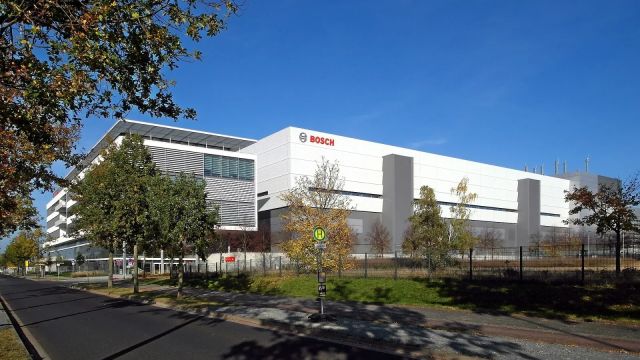
Bosch do të ndajë divizionin e gjysmëpërçuesve në janar 2028
-
Related story
Environment
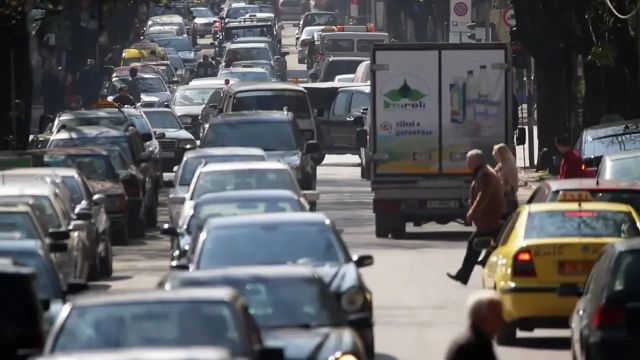
Makinat e vjetra EURO drejt kufizimeve nga viti 2027, qeveria miraton strategjinë për heqjen graduale nga qarkullimi
-
Related story
Society
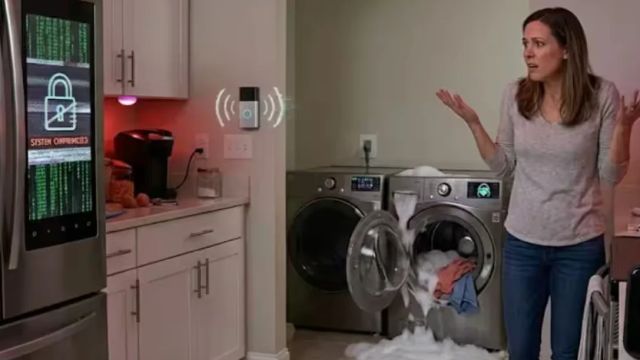
Nga frigoriferët te makinat, si po hyjnë hakerat në jetën tonë të përditshme?


Readers’ comments
These are readers’ own words, not the publishers’ and not Mosaic’s. Moderators read them; a comment that breaks the rules is hidden or removed.
No comments yet. Be the first to say something useful.